A factory visit is the fastest way to tell a manufacturer from a trading office with a nice showroom. The difference shows up in about twenty minutes if you know what to look at, and it rarely shows up in a quotation.
Before you go: documents worth requesting
| Document | What it tells you |
|---|---|
| Business licence with unified social credit code | Confirms the legal entity and that its scope covers manufacturing |
| ISO 9001 certificate, current and in scope | Quality system — check the scope covers what you are buying |
| Machine list with tonnages | Whether they can actually mould your part, or will subcontract it |
| Product test reports | Whether testing is done and by whom |
| Export history for your product category | Familiarity with your market’s documentation |
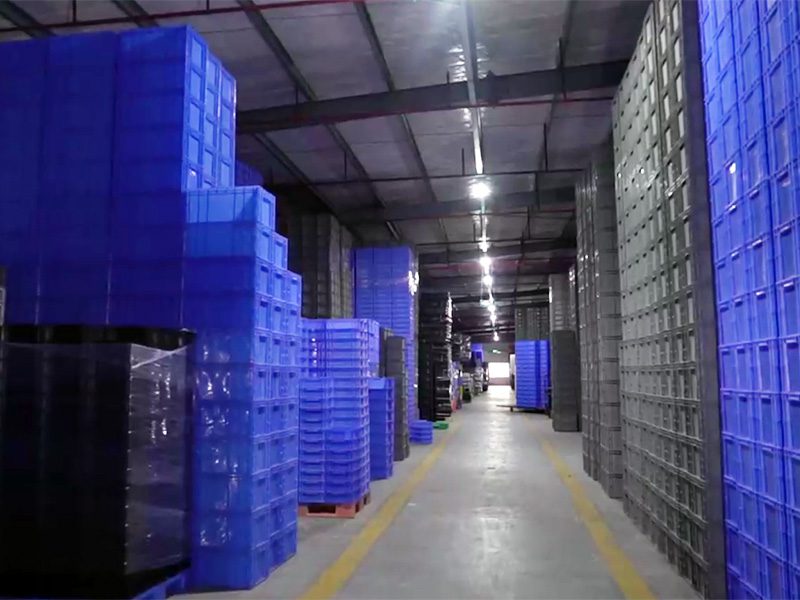
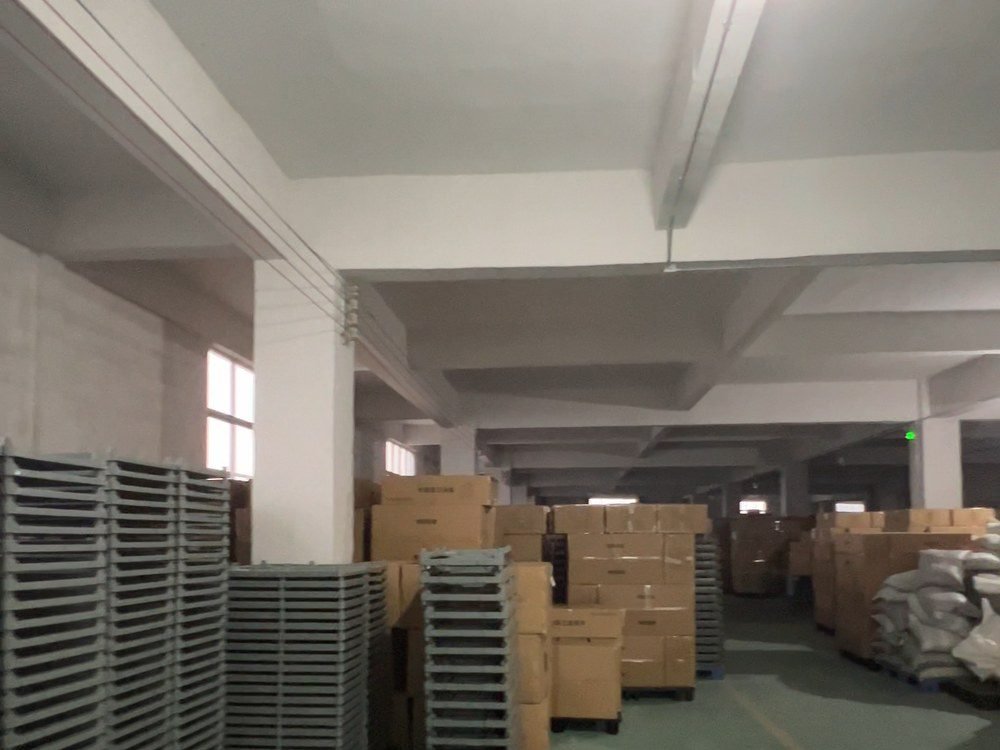
On the floor: six things to look at
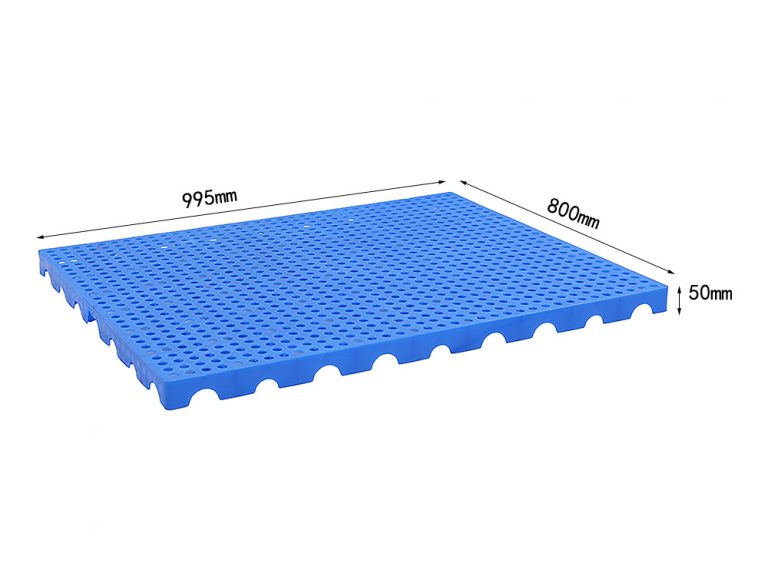
1. The machine list versus the machines you can see. Ask for the tonnage range and then look at the plates on the machines. A factory moulding large pallets needs large machines — 180T will not mould a 1200 x 1000 pallet. If the parts you are buying are bigger than the biggest machine in the building, someone else is making them.
2. Whether the mould workshop is in-house. This is the single most informative question of the visit. An in-house tool room means design changes, repairs and new tooling happen on site, in days rather than weeks. An outsourced one means every modification is a negotiation with a third party, and a broken tool is a schedule risk you cannot see.
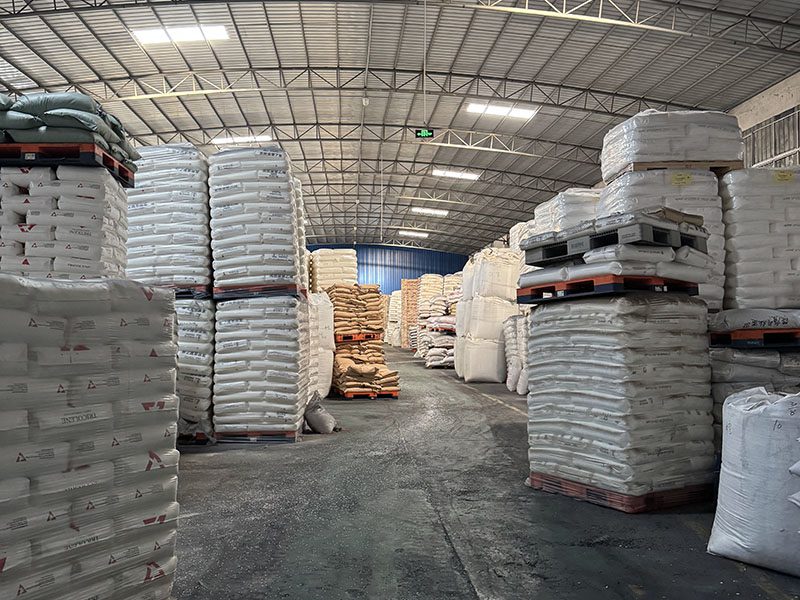
3. Incoming material control. Ask to see how resin is received and identified. Look for lot numbers, supplier documentation and whether virgin and regrind are stored separately. A factory that cannot tell you which resin lot went into which production batch cannot investigate a field failure afterwards.
4. In-process and final inspection. Look for first-piece sign-off, patrol inspection records, and a defined final inspection before packing. Records on the floor beat certificates on the wall — ask to see yesterday’s.
5. Test equipment, actually present. For load-bearing products this means drop testing, stacking/compression testing, and load testing rigs. For ESD products, a surface resistivity meter. Equipment that exists and is used leaves calibration dates and test logs behind it.
6. The loading area and finished goods store. How goods are staged, how containers are stuffed, and whether finished goods are protected from sunlight and stacking damage. A Container that is stuffed badly damages more product than a bad moulding process does.

Questions that reveal more than they seem to
- “Which of these machines made our product?” Tests whether the answer is specific or evasive.
- “Show me the tool for this part.” A real manufacturer walks you to it. A trader cannot.
- “What happens when this mould breaks?” The answer tells you whether repair is in-house.
- “What is the regrind percentage?” Only meaningful if they answer with a number and a reason.
- “Can I see the inspection record for the last batch?” Whether records exist at all is the finding.
Warning signs
Hesitation about showing the tool room, or a tool room that is clearly not in use. Test reports with no third-party laboratory and no dates. A quotation far below comparable offers with no technical explanation — which usually means thinner walls, higher regrind content, or a lower-grade resin rather than better efficiency. And a showroom that is substantially nicer than the production floor.
What you will see at FOSHAN LSY Plastic
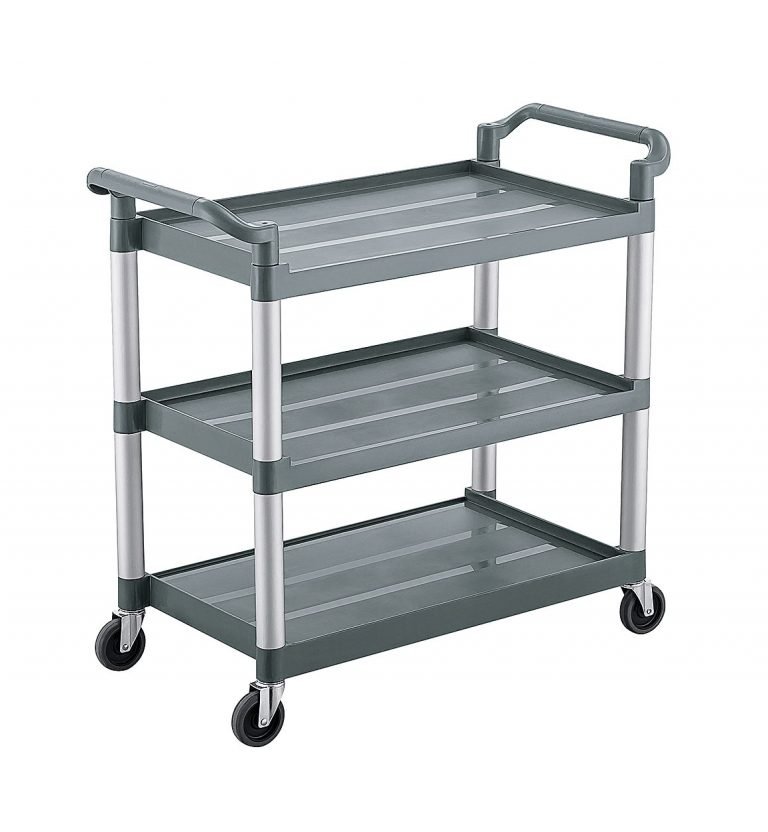
Thirty-five years of injection moulding in Foshan, with a 20,000 square metre facility, machines from 180T to 2500T, and an in-house mould workshop covering design, build and repair. The factory supplies plastic pallets, crates, ESD packaging, hotel service carts and housekeeping plastics, and moulds for OEM customers in automotive, consumer electronics and food service. Visitors are welcome to walk the production floor and the tool room.
Export orders ship as full container loads. Samples are charged at cost. Domestic Chinese orders carry no minimum quantity.
Sourcing These Products? Buy Direct from the Factory
LSY Plastic has been an injection moulding manufacturer in Foshan, China for over 35 years. We supply hotels, restaurants and warehouses worldwide at factory-direct prices, shipped by full container load (FCL).
Buying in volume? For the same quantity, we commit to the best price on the market.
FAQ
How do I tell a factory from a trading company?
Ask to see the machine that will mould your part and the tool that will mould it. A manufacturer can walk you to both and answer process questions on the spot. Ask whether the mould workshop is in-house — that question is hard to answer convincingly without one.
What machine tonnage do I need for my part?
It depends on projected area and material, not part weight alone. A large flat part such as a pallet needs high clamp tonnage; a small thick part may need less. Ask the factory which machine they would schedule it on and why.
Should I insist on a third-party audit?
For a first order or a large programme, yes — an independent audit covers social compliance and quality system areas that a commercial visit does not. For repeat business, your own visit plus batch records is usually proportionate.
Is ISO 9001 enough?
It indicates a documented quality system, not that it is followed. Check that the certificate is current and that its scope covers your product, then verify on the floor by asking for recent inspection records.