In fast-moving warehouses and production floors, small inefficiencies scale into big costs: damaged goods, inconsistent stacking, messy storage, slow picking, and avoidable downtime. That’s why companies are upgrading to standardized industrial plastic products—especially for material handling, storage, and internal logistics.
This 2026 guide from Lingshangying Plastic focuses on the most widely used product families for industrial workflows: plastic pallets, turnover boxes, logistic containers, EU box series, and ESD anti-static solutions. You don’t need every category to build a better system—you need the right few that fit your process.
Why Industrial Plastic Products Matter in 2026
The shift is no longer just about “plastic vs. other materials.” In 2026, buyers are optimizing for repeatability, hygiene, and workflow standardization.
Key drivers we see across industries
- More SKUs and faster throughput → storage must be modular and stackable
- Lean manufacturing and 5S → consistent container systems reduce waste and errors
- Automation-friendly handling → uniform sizes help conveyors, racking, and scanning workflows
- Cleaner operations → easier cleaning and maintenance vs. porous materials in many environments
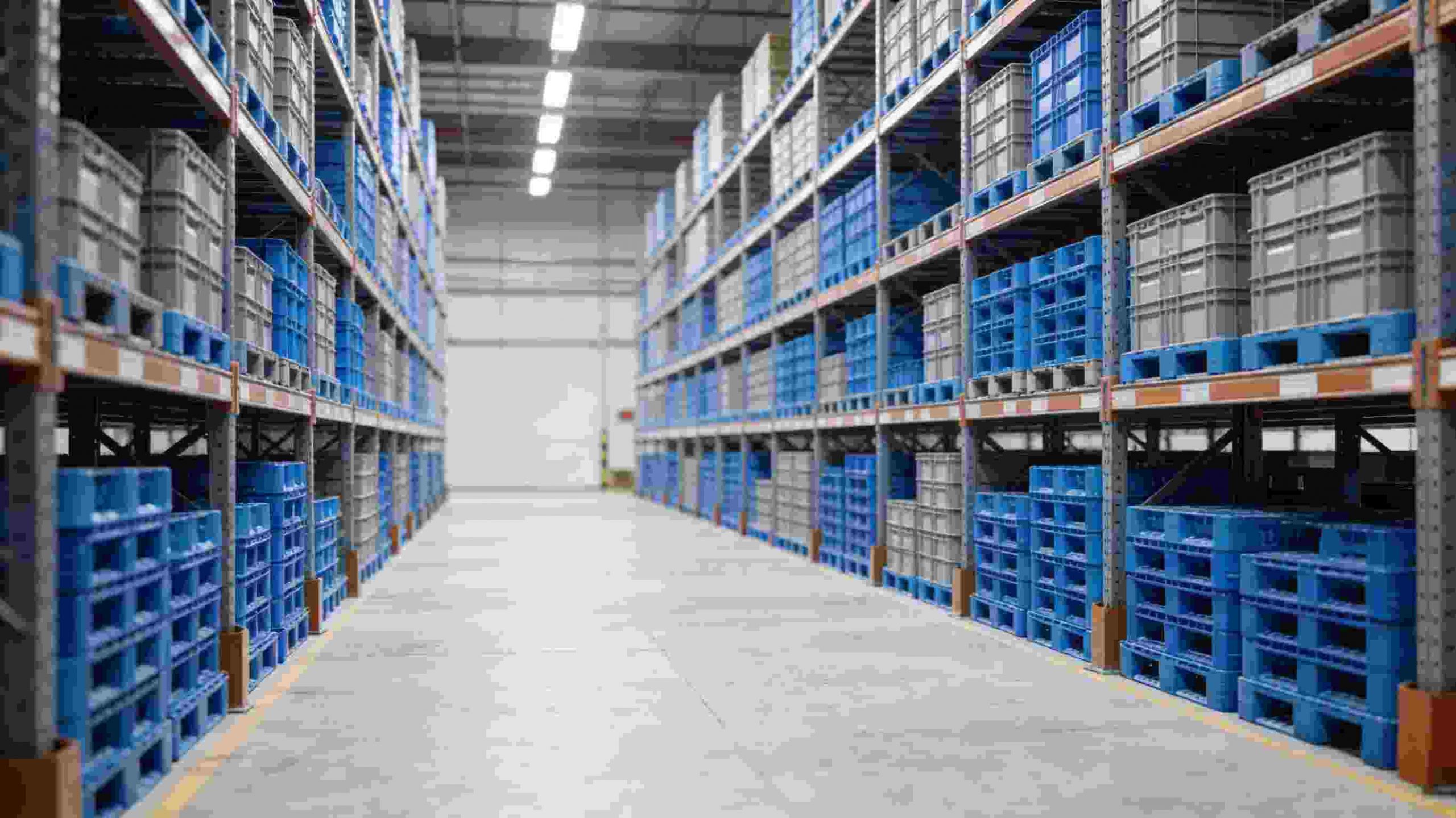
1) Plastic Pallets (The Backbone of Material Flow)
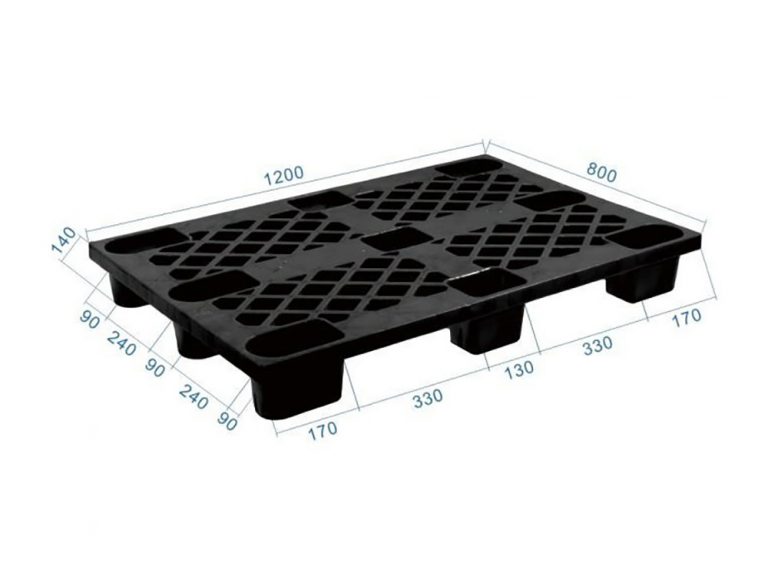
If your facility moves goods every day, plastic pallets are often the highest-impact upgrade. They create a stable base for stacking, storage, and transport—especially when your workflow demands consistency.
Typical use cases
- Warehouse storage and racking
- Internal transport between workstations
- Export or repetitive logistics cycles
- Clean operations where easy maintenance is important
How to choose plastic pallets in 2026
Before selecting a pallet, align it with your actual handling environment:
- Load type
- Static load (in storage)
- Dynamic load (in motion)
- Racking load (supported on racking beams)
- Handling method
- Forklift / pallet jack compatibility
- Entry type (2-way vs 4-way entry)
- Surface and stability needs
- Anti-slip options
- Stack stability
- Environment
- Wet areas, temperature swings, or ESD-controlled zones
Check here for more information of LSY plastic pallets.
2) Turnover Boxes (For Efficient Internal Circulation)
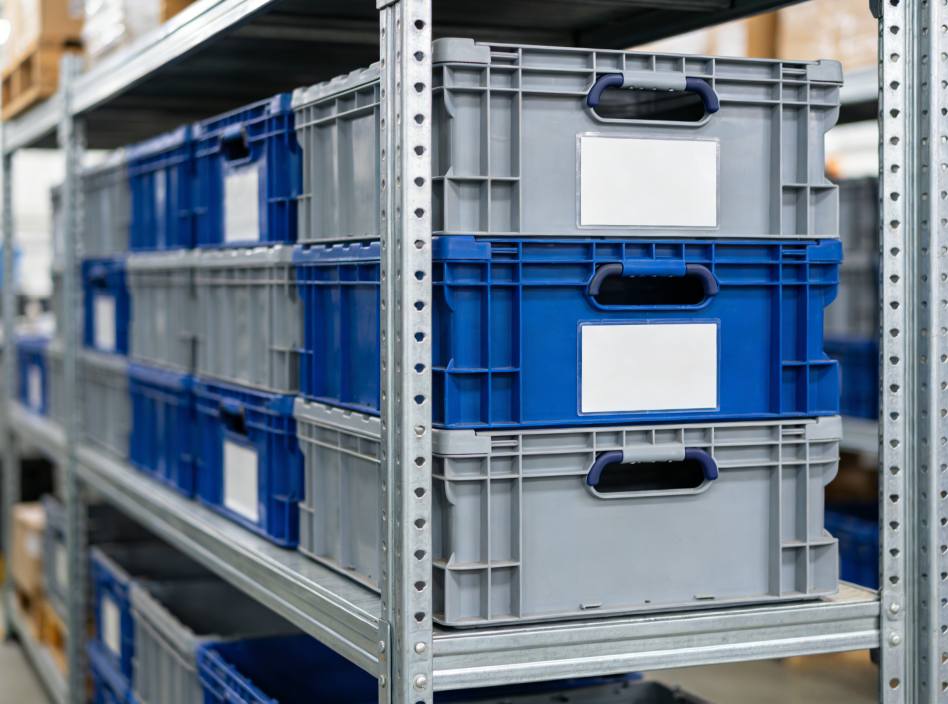
Turnover boxes (sometimes called circulating totes) help standardize internal logistics: moving parts, semi-finished goods, and packaged items between stations.
Why turnover boxes remain a top pick in 2026
- Easy to implement without changing equipment
- Reduces product damage vs. improvised cartons
- Improves picking speed and organization
- Supports labeling and barcode workflows
Where turnover boxes shine
- Production lines (WIP flow)
- Assembly stations and kitting
- Quality inspection areas
- Spare parts storage
Selection checklist
- Stacking behavior: stable stacking and nesting options
- Ergonomics: handgrips, safe edges, comfortable lift points
- Identification: label areas, barcode zones, color coding
- Cleaning: smooth surfaces for faster washdown
Check Here for more information of turnover boxes→ LSY Turnover Boxes
3) Logistic Containers (When You Need More Strength and Standardization)
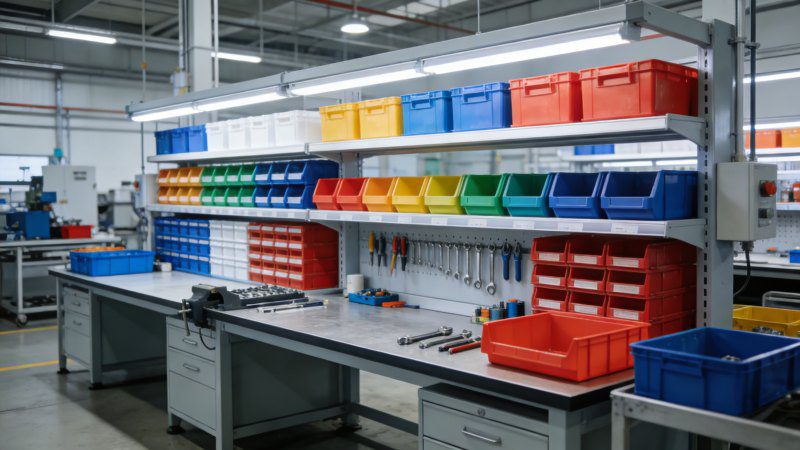
When turnover boxes aren’t enough—because loads are heavier, stacking is higher, or transport is more demanding—logistic containers become the workhorse.
Common applications
- Bulk storage of components
- Inter-department transfers
- Warehouse staging and consolidation
- Distribution prep and internal logistics
What to look for
- Reinforced structure for heavier loads
- Footprint matching your racking/shelving standards
- Compatibility with lids, dollies, or handling systems (where applicable)
In 2026, the best-performing facilities treat containers like “infrastructure,” not accessories—standard sizes reduce chaos. Check Here→ LSY Logistic Container
4) EU Box Series (A Smart Path to Standardized Storage)
The EU box series is popular because consistent sizing makes operations predictable: shelves align, stacks become stable, and inventory management becomes cleaner.
Why EU boxes are a practical 2026 choice
- Standard dimensions simplify storage planning
- Easier bin location management in WMS systems
- Faster training for new staff (less guesswork)
- Cleaner visual management for 5S
Operations win: When box sizes are standardized, your layout decisions become repeatable across zones and even across different facilities.
5) ESD Anti-Static Plastic Products (For Electronics & Sensitive Components)
If you handle electronics, PCBs, chips, or sensitive modules, ESD risk is not theoretical. Using ESD anti-static plastic products supports safer handling and more consistent process control.
Typical ESD use cases
- Electronics assembly and packaging
- Component storage and transport
- ESD-controlled workstations and zones
What to verify before buying ESD items
- Your ESD handling requirements (standards and internal process rules)
- Whether you need ESD pallets, ESD containers, or both
- How labeling and traceability will be applied in ESD zones
Note: ESD performance depends on your full workflow (grounding, flooring, garments, handling rules). The container is one part of the system.
A Simple 2026 Buying Framework (Use This Before You Compare Models)
Instead of starting with “which product is cheapest,” start with “what problem must it solve.”
Step 1: Define the workflow
- What moves? (parts, food, finished goods, components)
- How far and how often?
- Who handles it? (manual vs mechanical)
Step 2: Define the constraints
- Load requirements (static/dynamic/racking)
- Space limits and stacking height
- Cleaning needs and environment conditions
- ESD requirements (if applicable)
Step 3: Standardize where it matters most
For most facilities, the best ROI comes from standardizing:
- 1–2 pallet types
- 2–4 container sizes (turnover boxes + logistic containers)
- One labeling method across all bins
Why Companies Choose Lingshangying Plastic
At Lingshangying Plastic, we help customers build practical systems with industrial plastic products that support real workflows—not just product specs on paper. Whether you’re standardizing a new warehouse, improving 5S, or upgrading material flow, the goal is the same: fewer errors, faster handling, and more predictable operations.
Next step –
- Explore our plastic pallets and container series → LSY Industrial Logistics & Material Handling Series
- Request a quote based on your load and workflow requirements → Contact Us
- See real warehouse applications on our Facebook page → https://www.facebook.com/profile.php?id=61585799873396