If you handle electronics—PCBs, components, finished devices—ESD control isn’t just something you “do” at the workbench. It follows the product through storage, picking, staging, and shipping. And that’s where ESD plastic pallets quietly become either a strong link in your process… or the weak one you don’t notice until you’re investigating scrap, intermittent failures, or unexplained returns.
This guide explains what ESD pallets are, how the materials actually behave, and how to choose the right option for your operation in 2026—without getting lost in marketing labels.
What Are ESD Plastic Pallets? (ESD vs Anti-Static vs Conductive)
People often use “ESD pallet” as a catch‑all, but there are three terms you’ll see in quotes, spec sheets, and purchasing emails:
- Anti-static: Designed to reduce static generation and/or limit static build-up. Often used where you want lower charging, but it may not actively dissipate charge as efficiently as a conductive material.
- Dissipative (often what buyers mean by “ESD safe”): Intended to bleed off charge in a controlled way—fast enough to reduce risk, but not so fast that it creates its own issues.
- Conductive: Allows charge to move more freely. Conductive solutions can be excellent in the right setup, but they also require the grounding plan (and handling discipline) to match.
The important point: “ESD” is not one material. It’s a performance requirement. Two pallets can look identical and behave very differently depending on resin, additives, and how they’re molded.
If you’re comparing options, start here for what you already offer:
- Browse your ESD plastic pallets category page: https://lsyplastic.com/product-category/anti-static-industrial-series/esd-plastic-pallets/
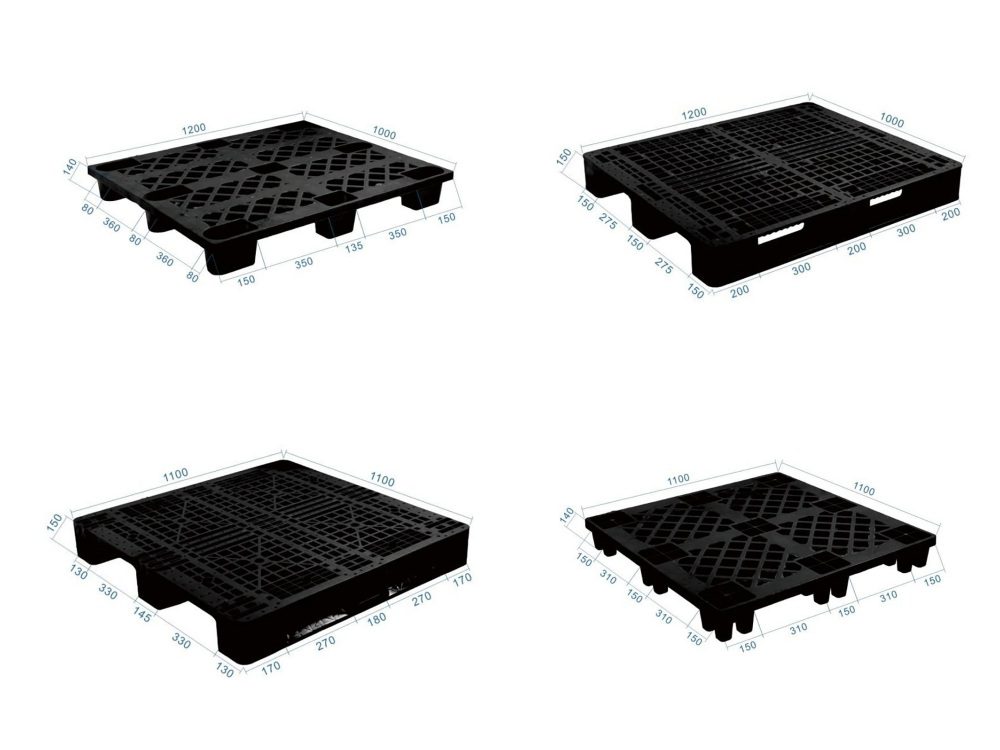
Where ESD Pallets Are Used (Electronics, SMT, Warehousing, Cleanrooms)
ESD pallets show up anywhere electronics move in volume—not only inside the factory.
Electronics manufacturing & SMT lines
In SMT and assembly, pallets are part of the “invisible infrastructure”: WIP staging, kitting, line-side replenishment, and finished goods buffering.
Warehousing, fulfillment, and 3PL handling
Even if your production floor is fully ESD-controlled, a standard warehouse environment can be dry, fast-moving, and full of tribocharging opportunities (plastic wrap, conveyors, fork traffic).
Cleanrooms and controlled environments
In cleanrooms, the conversation often expands beyond ESD into cleanability, particle control, washdown routines, and chemical resistance. You’re not just buying a pallet—you’re buying something your team will wipe down hundreds of times.
Key Specs That Matter When Buying ESD Pallets
Most pallet pages list size and static load, but ESD pallets are one of those products where the “boring” specs save the most trouble later.
Surface resistivity & real ESD performance
Instead of relying on a label like “anti-static,” ask for:
- Test method reference (what standard was used)
- Measured results (not just a range copied from a catalog)
- Lot consistency (if you reorder later, will it behave the same)
If a supplier can’t provide any testing context, you’re guessing—and ESD is not a great category for guessing.
Load rating, racking, and your handling method
Be specific about how the pallet will be used:
- Static load (storage)
- Dynamic load (movement)
- Racking load (if applicable)
- Forklift vs pallet jack vs conveyor handling
A pallet that’s “fine” on the floor can become a problem on racking—or flex enough to damage tote stacks, trays, or packaged goods.
Entry type, deck design, and workflow fit
Small design choices affect day-to-day throughput:
- 2-way vs 4-way entry
- Open vs closed deck (cleanability, dust, drainage)
- Anti-slip design if you stack totes/crates
Temperature, chemicals, and cleaning routines
If you do washdown, use solvents, or operate in hot/cold areas, confirm:
- Temperature range expectations
- Chemical exposure (detergents, sanitizers, oils)
- Whether ESD properties remain stable after cleaning cycles
How to Choose an ESD Plastic Pallet (Checklist)
Here’s the checklist I’d use if I were writing the purchase spec for a real facility—because it forces clarity early and prevents “we’ll figure it out later” surprises.
- Define the product risk
- Are you moving bare PCBs, sensitive components, finished consumer devices, or rugged industrial assemblies?
- Map the environment
- Production floor only, or also warehouse, shipping, 3PL, and customer returns?
- Confirm handling method
- Forklift, pallet jack, conveyors, automated storage, racking?
- Decide the cleanliness requirement
- Standard industrial vs cleanroom-like routines; open vs closed deck preference.
- Request ESD performance documentation
- Ask for test references and measured results for the material/pallet type.
- Plan for consistency
- If you scale to multiple sites, ensure the same SKU behaves the same way across purchase cycles.
- Don’t ignore the “system”
- ESD pallets help, but they don’t replace grounding, straps, flooring, packaging discipline, and humidity control.
When you’re ready to compare options, keep the buying path simple:
- Start from your ESD pallet collection: https://lsyplastic.com/product-category/anti-static-industrial-series/esd-plastic-pallets/
Common Buyer Mistakes (and how to avoid them)
Mistake 1: Buying “ESD” without asking “ESD under what conditions?”
If the pallet is used in a dry warehouse with lots of film wrap, conditions are different than a controlled production area. A good pallet choice depends on the environment, not the label.
Mistake 2: Over-optimizing on one spec (usually price or load)
A pallet that’s slightly cheaper but fails early—or causes handling issues—costs more than it saves. Consider labor efficiency, replacement rates, and damage reduction.
Mistake 3: Forgetting the rest of the material flow
Pallets rarely travel alone. They carry:
- totes and bins
- euro boxes
- kitted materials
- finished goods cartons
Your packaging ecosystem should be compatible. If you also use standardized bins, your crate/box choices matter too.
Related Handling Options: Euro Standard Crates & Utility Carts (Internal Links)
Once pallets are solved, most teams immediately run into the next bottleneck: how parts are staged and moved between zones.
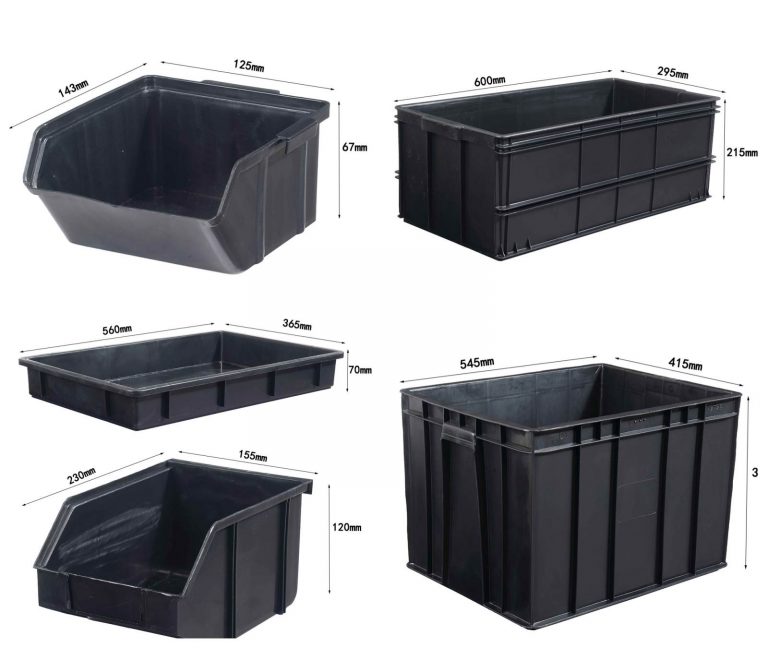
Euro standard crates / boxes for structured storage
If your operation uses standardized footprints for picking, stacking, or automated handling, Euro sizes can make the flow cleaner.
- See your EU standard boxes product page: https://lsyplastic.com/product/eu-standard-boxes/
- If you’re still comparing types and materials, your crate guide is a good reference: https://lsyplastic.com/blog/how-to-choose-industrial-plastic-crates-guide/
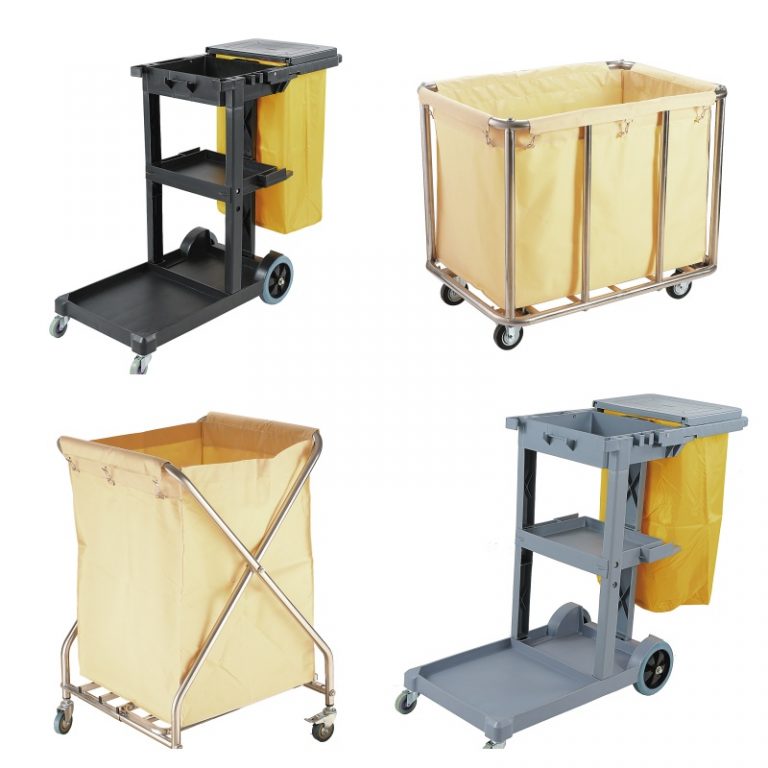
Utility carts for internal transport (especially kitting and replenishment)
Not everything should move on a pallet. For line-side replenishment, returns, and small batch movement, a utility cart can be faster and easier than breaking down pallet loads.
FAQs (rich results friendly)
Are ESD plastic pallets the same as anti-static pallets?
Not necessarily. “ESD” is often used loosely. Anti-static, dissipative, and conductive materials behave differently. The best approach is to ask for test references and measured results for the pallet material.
Do ESD pallets replace grounding and other ESD controls?
No. An ESD pallet supports an ESD program, but it doesn’t replace grounding, wrist straps, ESD flooring, ESD packaging, and humidity practices.
Can I use ESD pallets in a normal warehouse (not ESD-controlled)?
Yes—many companies do. Just be clear about the environment (humidity, film wrap, conveyor movement) and make sure the pallet choice matches the real conditions.
What’s the best deck style for ESD pallets: open or closed?
It depends. Closed deck is often easier to wipe down and can help in cleaner environments. Open deck can reduce weight and may drain better in some washdown workflows. Choose based on cleaning routine and handling method.
How do I make sure reorders behave the same as the first batch?
Ask about material consistency, testing documentation, and whether the supplier can maintain the same formulation for repeat orders. Consistency matters more than most buyers expect in ESD products.
Key Takeaway
A good ESD pallet decision is less about finding a magic label and more about matching material behavior + handling method + environment. If you define those three clearly, choosing the right ESD plastic pallet becomes straightforward—and your downstream process (crates, kitting, carts, staging) gets easier to optimize.
Next step: browse your ESD pallet options here:
https://lsyplastic.com/product/esd-plastic-pallets-9-leg-series/
Optional “Related resources” block
- Industrial crate selection guide: https://lsyplastic.com/blog/how-to-choose-industrial-plastic-crates-guide/
- EU standard boxes: https://lsyplastic.com/product/eu-standard-boxes/