You want your electronics to last and work well. Static electricity can hurt sensitive parts without warning. An anti-static box protects your devices with special materials. These materials block and move static charges away. Many companies say about a quarter of electronic part failures are from static electricity. Industry rules say you must use static-safe storage to keep devices safe. Modern anti-static boxes, like those from LSY Plastic, have features for easy storage and moving. You can trust these boxes to keep your valuable electronics safe every day.
Key Takeaways
- Use anti-static boxes to keep your electronics safe from static electricity. This helps your devices last longer and work well.
- Pick the right anti-static box for what you want to store. Check for things like moisture resistance and the right size for the best protection.
- Store electronics the right way. Ground the containers and keep humidity above 30% to lower static risks.
- Check and clean your anti-static boxes often to make sure they work. This stops damage and keeps your devices safe from static.
- Buying anti-static boxes can save you money. They help you avoid repair costs and warranty claims from static damage.
Static Electricity Risks
How Static Forms
You run into static electricity all the time, even if you do not feel it. In places where people make or keep electronics, static can build up fast. When two things touch and then pull apart, they swap electrons. This happens when you walk because your shoes rub the floor and your arms touch your clothes. Machines also make static when they move parts over rollers or cut sheets. Fast changes in heat, like when things go through an oven, can make more static. You can see static happen in many ways:
- Rubbing between things, like conveyor belts moving boxes
- Liquids or powders going through pipes or hoses
- Mixing, spraying, blending, or coating stuff
- Filling things in factories
- Standing close to strong electric fields or high-energy radiation
Static electricity builds up because these actions move electrons around. In factories, spraying or pouring things can make charges that might spark if not stopped. You should be careful about these dangers, especially when you handle sensitive electronics.
Tip: Wearing ESD-safe clothes and using an anti-static box can help stop static from building up.
Damage to Electronics
Static electricity can hurt your electronics very fast. Even a small spark can break important parts inside a computer or phone. Some parts are easier to damage than others. Check the table below to see which parts are at the most risk:
| Component Type | Vulnerability Description |
|---|---|
| Microchips | Very sensitive to ESD; small sparks can break paths. |
| Transistors | Easy to damage; static can poke holes in gate oxide. |
| Capacitors | Can be harmed; static can break layers inside. |
If you do not protect your electronics, you could lose a lot of money. Electrostatic discharge can destroy costly computer parts. Some experts say static damage costs companies billions of dollars each year. You can stop these problems by using safe storage. An anti-static box keeps your devices safe from sudden shocks and helps you save money on repairs.
How Anti-Static Box Works
Materials and ESD Design
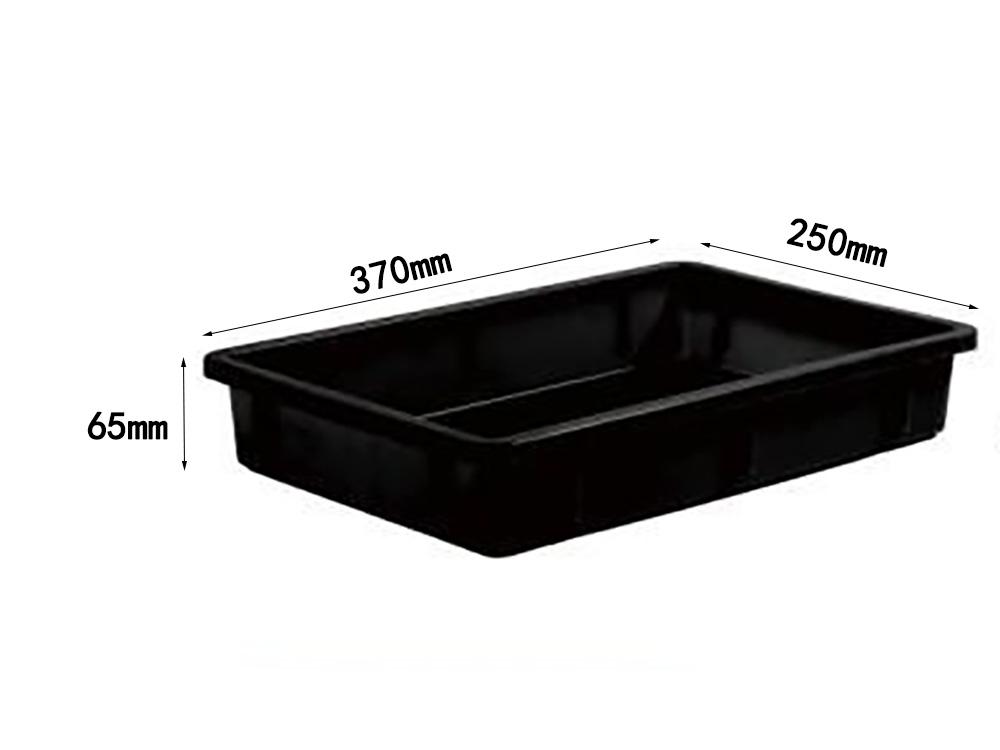
You need strong materials to protect electronics from static. Most anti-static boxes use polypropylene or HDPE. These plastics are tough and resist chemicals. They work well in many places. Makers add anti-static additives to these plastics. These additives help move static charges away from your devices.
Here is a table that shows common materials and their ESD properties:
| Material Type | ESD Properties |
|---|---|
| Polypropylene | Durable, chemical-resistant, protects components in many environments |
| Conductive Materials | Conductive additives reduce static charge on the surface |
| CAS Plastic | Surface resistivity < 1 x 10⁶ ohms/inch, static decay from 5kV to 50V in less than 2 seconds |
You can find anti-static boxes with different protection levels. Some boxes use carbon-loaded PP for extra strength. Others use static-dissipative compounds for cleanrooms. These materials meet strict standards like ANSI/ESD S20.20 and IEC 61340-5-1. Most anti-static boxes have surface resistance between 10³ and 10¹¹ ohms. They can remove static charges in less than two seconds.
Note: Test your anti-static box often to make sure it works well.
Preventing Static Build-Up
The design of an anti-static box helps stop static. Special materials are not the only thing that matters. Many boxes have smooth inner walls. This makes cleaning easy. It keeps dust and particles from sticking. Clean surfaces help stop extra static from forming.
Stackability is another important feature. You can stack these boxes safely. They have strong side walls and wide ledges. This saves space and keeps electronics safe on shelves.
Here is a table that explains how these features help:
| Feature | Benefit |
|---|---|
| Smooth Inner Walls | Easy to clean, less dust, lower risk of static build-up |
| Stackable Design | Saves space, keeps boxes stable, protects electronics during storage |
| Reinforced Side Walls | Allows high stacking, adds strength, keeps boxes from tipping or collapsing |
Some anti-static boxes fit into conveyor systems and automated warehouses. This helps you move electronics safely. It lowers the risk of static discharge.
You can find different types of ESD protection in these boxes:
- Static-dissipative boxes move charges away slowly and give moderate protection.
- Static-shielding boxes create a Faraday cage effect and give high-level protection.
Labs test anti-static boxes to make sure they work. They use chargeability testing, volume resistivity, and electrostatic discharge testing. These tests check how well the box moves static charges away.
When you use an anti-static box, your devices have a safe place to rest. You lower the risk of static damage. Your electronics can work longer.
Anti-Static Box Benefits
Protecting Components
You want your electronics to be safe. An anti-static box helps protect sensitive parts from static electricity. These boxes make a safe place for microchips, transistors, and capacitors. This lowers the chance of sudden problems and hidden damage. Many companies have fewer broken parts after using ESD-safe storage.
Here is a table that lists the main benefits of anti-static boxes for electronics:
| Benefit | Description |
|---|---|
| Protection Against ESD | Stops static from building up and keeps contents safe from outside static. |
| Durability and Versatility | Made from strong materials, holds many electronic items, and works well for shipping. |
| Compliance with Industry Standards | Follows ESD-safe material rules, so you meet safety and quality standards. |
| Cost-Effective Solution | Reduces repairs and replacements, saving money over time. |
You can see these benefits in real life. For example:
- A semiconductor company changed its ESD boxes and had less damage during shipping.
- An automotive company trained workers and improved boxes, so there were fewer ESD problems.
Tip: Anti-static boxes help electronics last longer and keep customers happy.
Reducing Repair Costs
You save money by keeping electronics safe from static damage. Anti-static boxes help you avoid expensive repairs and replacements. When you store and ship parts in ESD-safe containers, you lower the risk of things breaking. This means fewer warranty claims and less money spent fixing devices.
- Anti-static boxes give your components a safe place.
- They stop electrostatic discharge, which can cause quick or hidden problems.
- By stopping static charge buildup, your electronics work better and last longer.
Electronics makers found that anti-static packaging leads to fewer warranty claims. Products stay safe while stored and shipped. This keeps customers happy and helps your business grow. Buying anti-static boxes is a smart way to protect your money.
Using Anti-Static Boxes
Choosing the Right Box
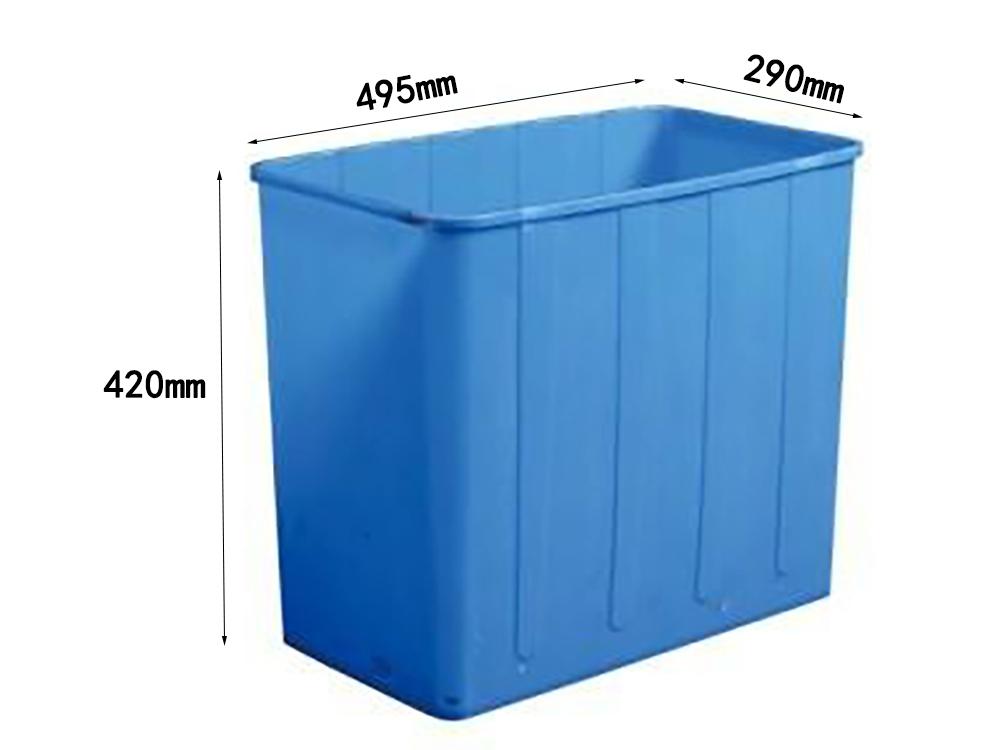
It is important to pick the right anti-static box. First, think about what you need to store. Some items, like microchips or wafers, need extra protection. Find boxes that block electrostatic discharge and keep out moisture. Make sure the box is strong and meets ANSI/ESD STM11.31 rules. Good materials help stop electrical problems.
When you look for a box, check these things: The size should fit your parts. Lids help seal the box better. Stackable boxes save space. Clear label spots help you mark what is inside. Moisture resistance keeps sensitive parts safe.
You can get boxes made just for your business. Some companies make foam inserts shaped for your items. Others let you choose materials with the right conductivity. You can add your logo, barcodes, or RFID labels. Custom trays and expert design help you follow industry rules and keep your parts safe.
Tip: Always pick a box that matches your storage place and the electronics you have.
Storage Best Practices
Storing electronics the right way keeps them safe. Follow these tips to use your anti-static box well:
| Tip Number | Tip Description | Benefit | Best Practice |
|---|---|---|---|
| 1 | Choose the Right Material | Stops Static Charges | Use boxes made for ESD protection. |
| 2 | Use Grounding | Helps Discharge Static | Ground all containers to stop charge buildup. |
| 3 | Control the Environment | Lowers Static Electricity | Keep humidity above 30% to lower static risks. |
| 4 | Label Properly | Stops Mishandling | Mark boxes to show ESD sensitivity. |
| 5 | Inspect Often | Keeps Protection Strong | Check for wear and replace boxes as needed. |
| 6 | Store the Right Way | Saves Space and Keeps Safe | Store boxes to limit movement and impact. |
| 7 | Train Workers | Makes Safety Better | Teach staff about ESD handling. |
Clean your boxes with a damp cloth to get rid of dust. Do not put them in sunlight or near heat or cold. Keep them dry to stop moisture damage. Stack boxes evenly and handle them gently to avoid cracks or bending.
Note: Anti-static boxes that meet ANSI/ESD S20.20-2021 rules help you know your electronics are safe.
You keep your electronics safe with an anti-static box. This box helps stop static from hurting your devices. It also helps your electronics last longer. You get lots of good things:
- Protect important parts from electrostatic discharge.
- Carry and store electronics without worry.
- Keep parts neat so you can find them fast.
- Save money because the box is strong and can be used again.
Anti-static boxes help with ESD control plans. They are a smart way to save money. Pick these boxes to feel calm and keep your electronics working well.
FAQ
What is an anti-static box?
An anti-static box is a special container. You use it to store electronic parts. The box stops static electricity from damaging your devices. It uses materials that move static charges away.
How do you clean an anti-static box?
You clean the box with a damp cloth. Avoid strong cleaners. Do not use rough brushes. Keep the box dry after cleaning. This helps protect your electronics.
Can you stack anti-static boxes safely?
Yes, you can stack these boxes. The design keeps them stable. Strong side walls and wide ledges help prevent tipping. Always stack boxes evenly for best safety.
Why should you use anti-static boxes for shipping?
You use anti-static boxes for shipping to keep electronics safe. The box blocks static electricity during transport. Your devices arrive without damage. This saves you money and trouble.