You see utility carts in homes, offices, and factories. Utility carts, which are often asked about when someone wonders what is a utility cart, have shelves and wheels. These features help you organize and move things easily. They are made from metal, plastic, or wire. The table below shows how people use utility carts in different places.
| Setting | User Type | Key Insights |
|---|---|---|
| Residential | Home Users | Many people want stylish storage and better home organization. This makes utility carts popular at home. |
| Commercial | Offices, Hotels, Restaurants, Educational Institutions | Carts help workers do their jobs faster. They move supplies and help with many tasks. |
| Industrial | Manufacturing, Warehouses, Distribution | Utility carts are important for moving materials. They need to carry heavy loads and work with machines. |
If you ask what is a utility cart, it is a tool that helps keep places neat and makes work easier.
Key Takeaways
- Utility carts help people organize and move things. You can use them at home, in offices, or in factories. They make carrying items easier.
- When you pick a utility cart, think about what you need. Look at the important features. Make sure it fits your budget.
- Clean your utility cart often. Take care of it so it works well. This helps it last a long time.
What Is a Utility Cart?
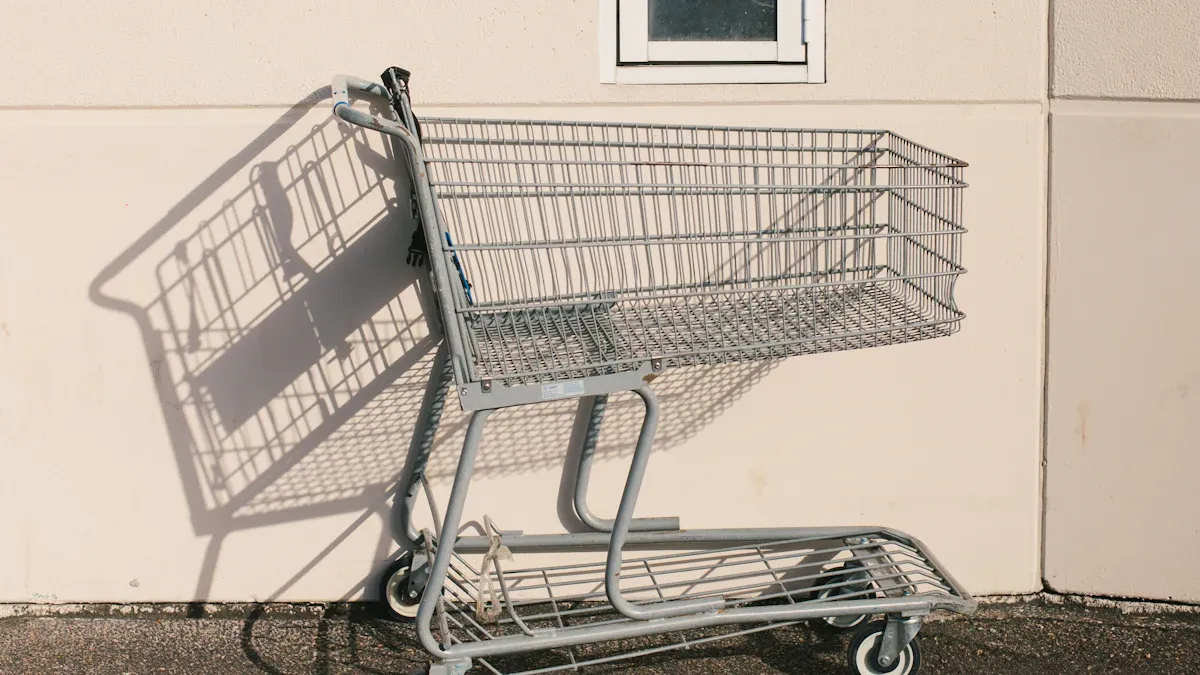
If you ask what is a utility cart, you find a tool that helps you move and organize things easily. Utility carts are used in homes, offices, and factories. People use them to carry supplies, sort tools, and make work faster. Makers build utility carts for places like stores, warehouses, and kitchens. You see utility carts where moving and organizing items is important.
Features
Utility carts have many features that make them useful. Most carts have shelves, wheels, drawers, and trays. Shelves hold your things. Wheels help you push the cart from place to place. Some carts have shelves you can adjust or remove. This lets you use the cart for different jobs. Drawers and trays keep small items neat and easy to reach.
Tip: Pick a utility cart with handles that are easy to grip. This helps you move the cart without hurting your hands.
Here is a table that lists the most common features of utility carts:
| Feature | Description |
|---|---|
| Material Types | Stainless steel, plastic, and aluminum are popular choices. Each has its own good points. |
| Casters | Strong wheels that turn and lock for safety and easy moving. |
| Configuration | You can pick carts with two or three shelves, adjustable shelves, or drawers. |
| Storage Space | Carts come in different sizes. Some have hooks and organizers for better storage. |
| Ergonomic Features | Handles that are comfy make pushing easier. |
| Durability | Good carts are built strong to hold heavy things and last long. |
| Intended Environment | Some carts are made for kitchens, hospitals, or small spaces. |
| Versatility | Some carts work for many jobs. Aluminum carts are very flexible. |
| Budget | Think about the price and what you get before buying. |
| Reviews | Read what other buyers say to learn about quality and service. |
You can pick from different shelf styles. Adjustable shelves let you change the height for your stuff. Fixed shelves stay put and give a steady base. Flat shelves are simple and smooth. Tub shelves have sides to stop things from falling off. Half-width tub shelves help you sort tools in tight spots.
Wheel size and type matter for moving your cart. Big wheels roll over rough ground and carry more weight. You do not need much strength to push carts with big wheels. This helps outside or in big buildings. Locking casters keep the cart still when you want it to stay.
Materials
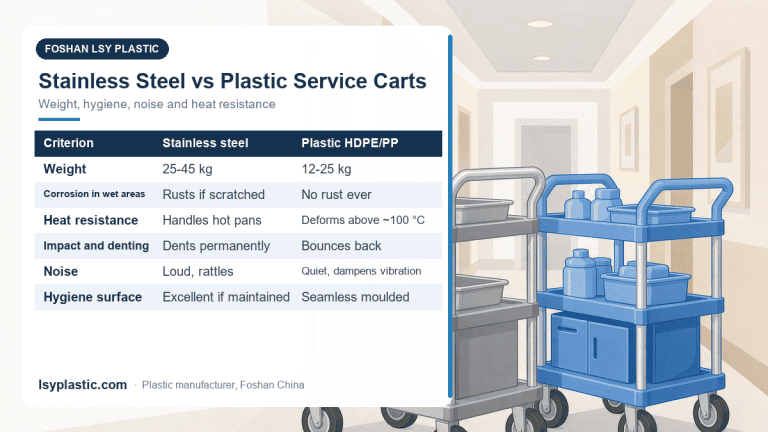
If you wonder what is a utility cart made of, you see many choices. The most common materials are aluminum, steel, stainless steel, and plastic. Each one has good and bad sides.
| Material | Advantages | Disadvantages |
|---|---|---|
| Aluminum | Light and easy to move. | Costs more than steel. |
| Does not rust, so it works in wet places. | Not as strong, so it cannot hold very heavy things. | |
| Good for keeping track of supplies. | ||
| Steel | Very strong and holds heavy loads. | Heavy carts can tire workers out. |
| Great for tough jobs. | Can rust if not cared for. | |
| Saves money over time. | ||
| Stainless Steel | Does not rust and stands up to heat. Good for kitchens and labs. | Costs more than regular steel. |
| Plastic | Light and cheap. | Needs cleaning often and may break sooner. |
The material you pick changes how much your cart can hold and how long it lasts. Steel carts hold big loads and save money over time. Stainless steel carts do not rust, so they are great for food and health jobs. Aluminum carts are light and easy to move, but best for lighter work. Plastic carts are cheap and easy to clean, but may not last as long as metal ones.
Note: Stainless steel and aluminum carts can be recycled. This helps the planet. Some plastic carts are made from recycled plastic, but making plastic uses oil.
You should clean your utility cart often to keep it working well. Cleaning stops dust and dirt from making it hard to move. Use the right cleaner for each material. Make sure wheels and joints are clear so the cart rolls smoothly.
When you think about what is a utility cart, you see that features and materials work together to make a tool that fits your needs. Pick your cart by looking at shelf style, wheel type, and material. This helps you get the best cart for your work.
Types & Uses
Common Types
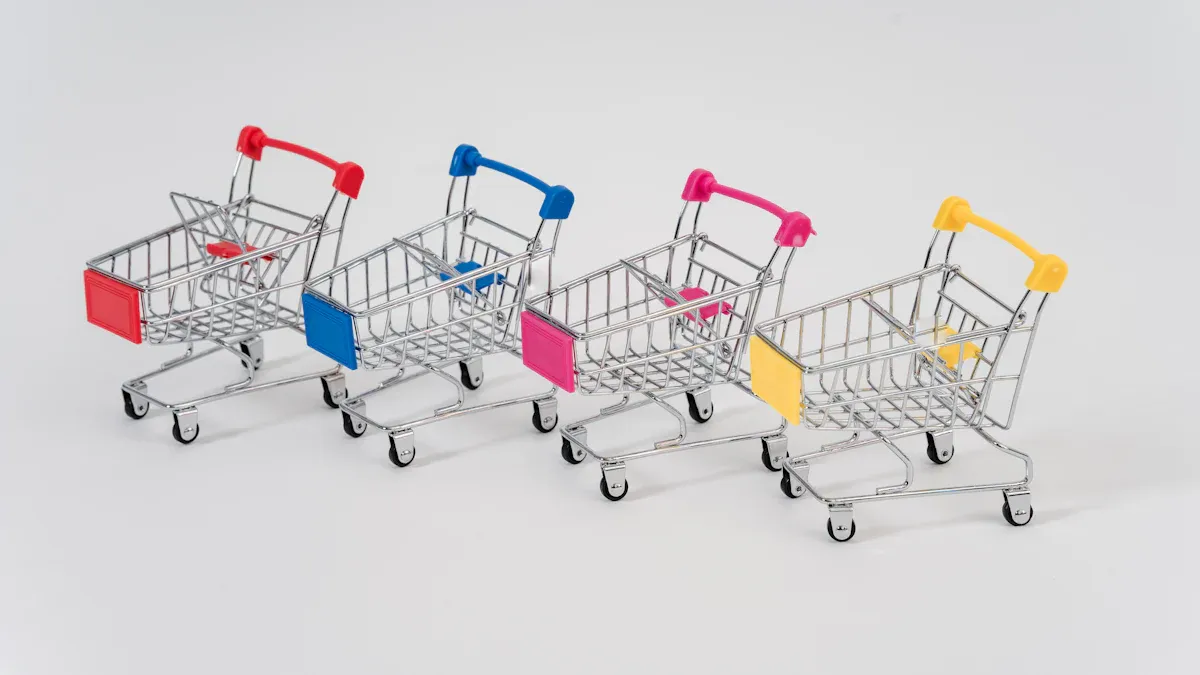
There are many kinds of utility carts. Each kind is made for a special job. The table below shows how people sort utility carts by what they are made of and how they are used:
| Type | Description | Application Area |
|---|---|---|
| Metal | Very strong and lasts long. Used for tough work. | Industrial |
| Plastic | Light and simple to clean. Good for homes and stores. | Household, Commercial |
| Wooden | Looks nice and matches home style. | Household |
| Others | Special carts for hospitals, hotels, and more places. | Specialized Applications |
Heavy-duty utility carts can hold up to 1,500 pounds. They are made from steel or strong plastic. These carts have big wheels for rough floors. Regular carts are better for light jobs at home or in offices.
Uses in Different Settings
You see utility carts in lots of places. Here are some ways people use them:
- Household: Hold cleaning supplies, move laundry, or store kitchen things.
- Commercial: Move goods in stores, fill shelves, or help hotel workers.
- Industrial: Carry tools and parts in factories or warehouses.
- Healthcare: Move medical supplies and equipment safely.
- Schools: Carry books and teaching stuff between classrooms.
Tip: Medical carts have drawers that lock and surfaces that are easy to clean. Hospitality carts are made for quick jobs like delivering food.
Benefits
Utility carts help you finish work faster and safer. You save time because you can move many things at once. Shelves and spaces keep things neat, so you find items fast. Wheels make it simple to push carts, so you do not have to lift heavy things. Handles and smooth wheels help your hands and wrists feel better.
Studies show new carts can make jobs take half the time. Companies save money when carts make work safer. Utility carts help you stay neat, work better, and keep healthy at home or work.
Choosing a Utility Cart
Selection Tips
When you choose a utility cart, start by thinking about what you need it to do. Make a list of tasks the cart will help you with. This helps you pick the right size, shape, and features.
Here are important steps to follow:
- Assess Your Needs: Write down the jobs you want the cart to handle.
- Check Must-Have Features: Look for strong shelves, good wheels, and a sturdy frame.
- Set Your Budget: Compare prices and think about long-term costs.
Tip: Always check the weight capacity. If you need to move heavy items, pick a cart with a higher limit. Carts with more shelves can carry more things at once, saving you time.
Common mistakes to avoid:
- Overloading the cart can make it tip over.
- Placing heavy items too high or unevenly can make steering hard.
- Not checking wheels and handles can lead to accidents.
Safety and ergonomic guidelines:
- Inspect your cart before each use.
- Balance loads and keep heavy items low.
- Push the cart instead of pulling it.
- Choose wheels that match your floor type and add a safety margin for weight.
Popular brands to consider:
- E-Z-Go, Cushman, Cricket, Club Car, Evolution, Tomberlin, ICON, Star EV, Yamaha.
Warranty and support:
Most carts come with warranties for frames and wheels. Some brands offer up to 10 years on parts. Look for after-sales support like spare parts and maintenance programs.
Choosing the right utility cart helps you work safely and efficiently.
You see utility carts offer many features and benefits. The table below shows what matters most:
| Feature/Benefit | Description |
|---|---|
| Material Types | Choose what fits your job. |
| Versatility | Use carts for many tasks. |
| Durability | Pick strong carts for heavy loads. |
- Think about what you will move.
- Check how easy the cart is to push.
- Look for support and options.
FAQ
What can you use a utility cart for?
You can use a utility cart to move supplies, organize tools, or store items. Many people use carts in kitchens, offices, and garages.
How do you clean a utility cart?
Wipe the cart with a damp cloth. Use mild soap for tough stains. Check wheels and handles for dirt. Clean regularly to keep your cart working well.
Which material is best for heavy loads?
| Material | Best Use |
|---|---|
| Steel | Heavy loads |
| Aluminum | Light loads |
| Plastic | Small items |
Steel carts hold the most weight. For more guides on this topic, check our Hotel & Hospitality Carts Complete Guide.