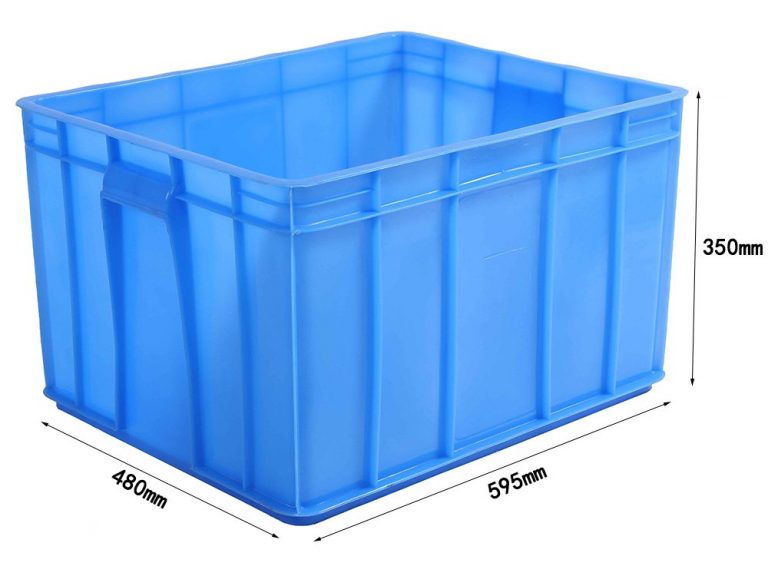
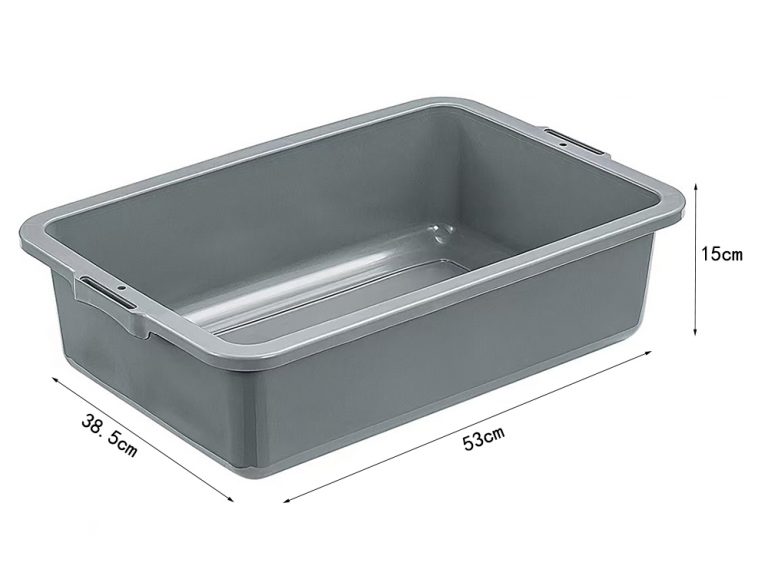
Every SMT line has three places where a printed circuit board leaves a controlled surface and risks a static discharge: the loader magazine, the buffer station between pick-and-place and reflow, and the hand-off to test or packaging. An ESD tray for PCB SMT line handling is the bridge between those stations. It is not just a conductive box — it is a fixture that keeps the board at the right pitch, orientation and resistance class from bare board to finished assembly.

This guide walks through how LSY ESD trays are used at loader, buffer and transfer points. Specs are drawn from the ESD containers complete guide and the ESD trays for PCB assembly guide maintained by FOSHAN LSY Plastic.
1. Loader and magazine station
At the front of the SMT line, bare boards are loaded into magazines or fed into the solder paste printer. The tray must hold the board without sliding and keep it at a known pitch so the loader can pick it up repeatably. LSY ESD trays for PCB handling are moulded with fixed compartments and board slots so operators cannot load a board backwards.
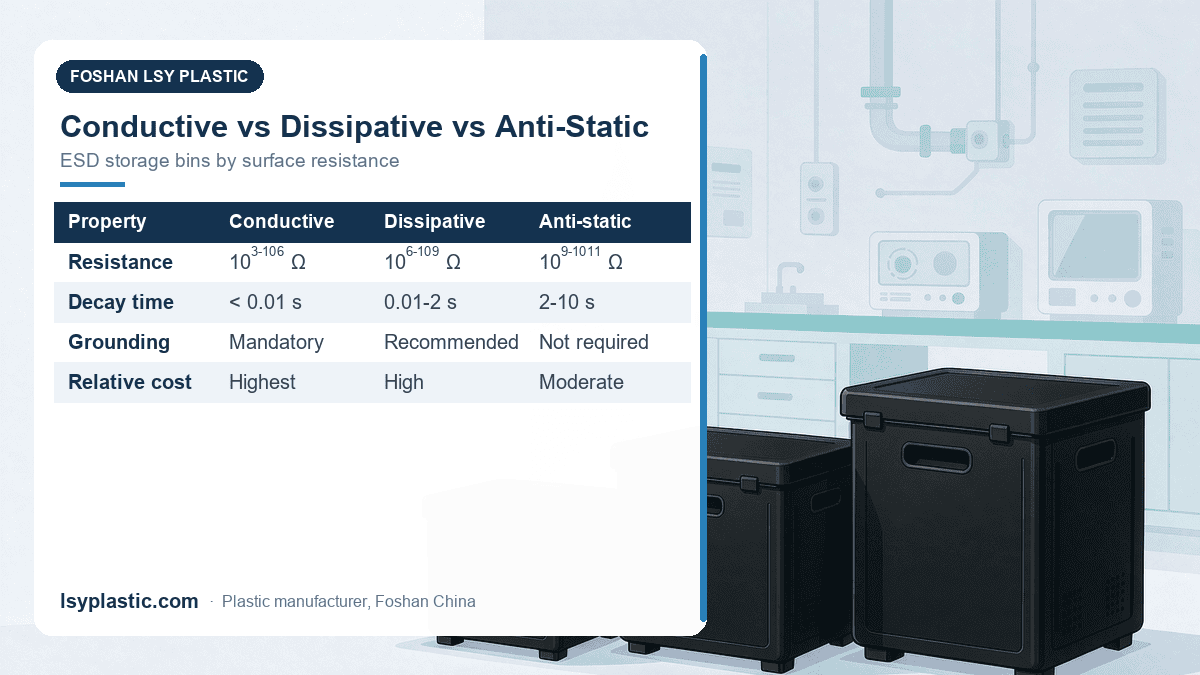
Conductive trays (10³–10⁵ Ω) bleed charge fastest and suit bare boards entering the line. Dissipative trays (10⁶–10⁹ Ω) are safer for populated boards, bleeding charge slowly to avoid rapid discharge through sensitive components. Insulating trays must stay outside the EPA.
2. Buffer station
Pick-and-place, reflow and inspection rarely run at the same cycle time, so every line needs buffer stock. Boards in buffer are still at risk: handlers pass by, conveyor vibration creates triboelectric charge, and an ungrounded tray becomes a floating conductor. LSY ESD trays stack to a fixed pitch in magazines and on ESD carts so buffer boards stay level and grounded through the cart frame.
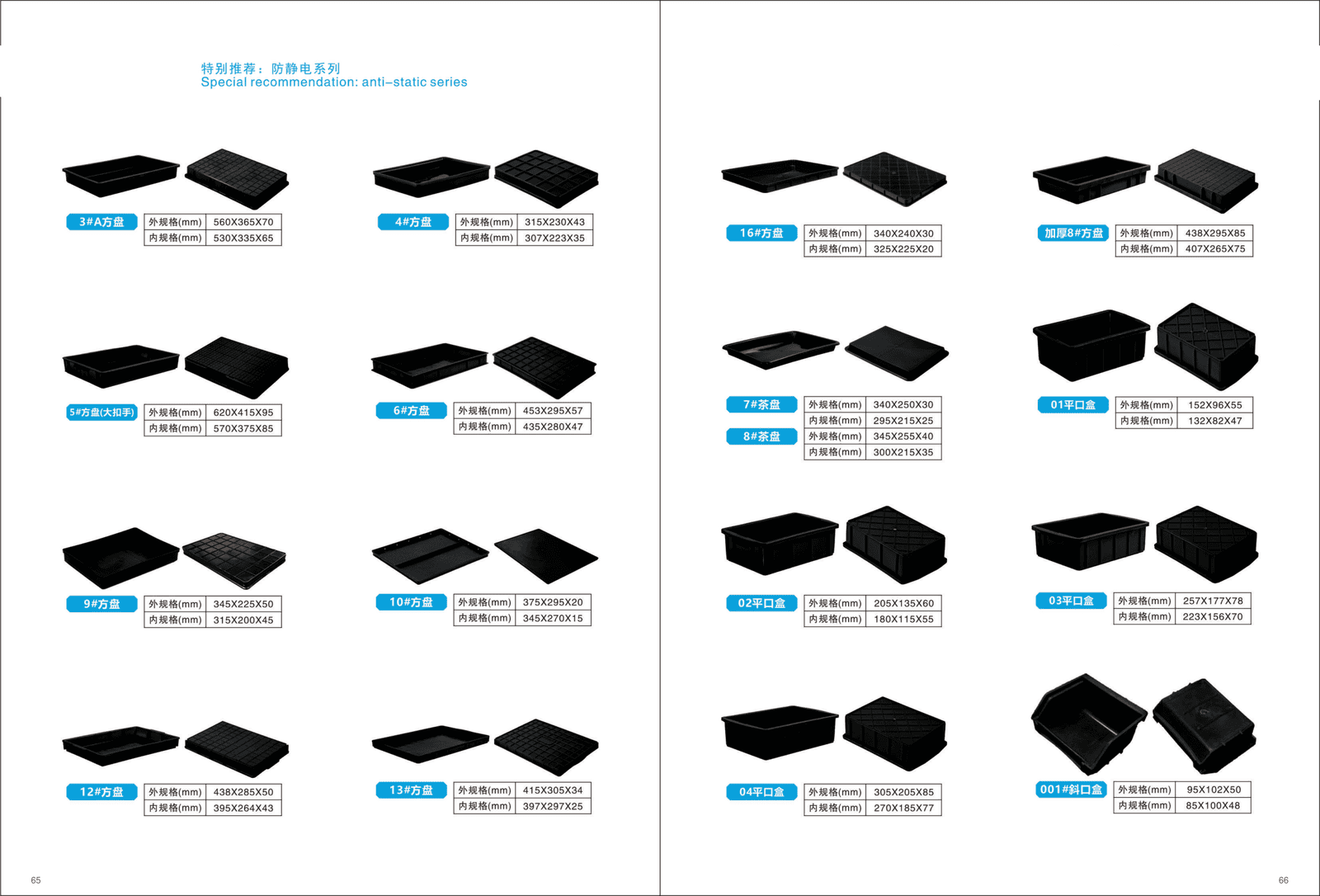
For buffer stations, specify dissipative trays unless the line handles unprotected dies or MEMS devices. Pair the trays with ESD plastic pallets when moving buffer stock between buildings — a standard pallet will insulate the whole stack.
3. Transfer and hand-off
Transfer points cause most handling damage. The tray is only half the system; the other half is the handling rule:
- Edges only: operators touch the tray frame, not the boards.
- No overhang: boards must sit fully inside the compartment.
- Grounded destination: place the tray on a grounded dissipative mat.
- Lid or cover: populated boards in transfer trays should be covered.
4. SMT tray specification checklist
| Spec | Typical value | Why it matters |
|---|---|---|
| Surface resistance | 10³–10⁵ Ω conductive; 10⁶–10⁹ Ω dissipative | Matches charge-decay to board sensitivity |
| Footprint | 355×320, 460×400, 535×460 mm magazine sizes | Must match loader or magazine pitch |
| Compartment depth | 20–80 mm for PCBs, 10–30 mm for components | Holds board without pressure on populated side |
| Material | Conductive or dissipative PP/ABS/PS compound | Additive is in the polymer, not a coating |
| Cleaning | Washable with IPA or neutral detergent | Flux and dust lower surface resistance |
5. Common handling mistakes
- Mixing tray classes: a conductive tray on an insulative pallet still floats.
- Overloading compartments: boards that touch each other can scrape and generate charge.
- Skipping cleaning: trays should be washed on the same schedule as smocks and mats.
- No incoming test: spot-check surface resistance on arrival.
Tray choice belongs in your ESD control plan
ANSI/ESD S20.20 and IEC 61340-5-1 treat everything inside the EPA as part of the static control system. A tray is not packaging — it is an EPA item. See the full ESD containers complete guide for how trays, boxes, pallets and flooring work as one system.
LSY Plastic moulds ESD trays, turnover boxes and pallets at the 20,000 m² Foshan factory, with compounds processed on 180 to 2,500 ton injection presses. Samples are billed at cost price. Lead time is 5–7 days for in-stock ESD tray SKUs and 10–15 days for custom compartment layouts. Domestic orders in China carry no MOQ. Overseas orders ship by full container load (FCL). Request a quote at fstyx01@lsyplastic.com or WhatsApp +86 19311059570.
FAQ — ESD tray handling for PCB SMT lines
Can we get ESD tray samples before ordering?
Yes — Samples are billed at cost price. Lead time is 5–7 days for in-stock ESD tray SKUs and 10–15 days for custom compartment layouts.
What is the MOQ for ESD trays?
Domestic orders in China carry no MOQ. Overseas orders ship by full container load (FCL).
How often should ESD trays be tested in an SMT line?
Spot-check surface resistance monthly at board contact points and after every wash cycle. Replace trays that fall outside the specified class or show cracks that trap flux residue.