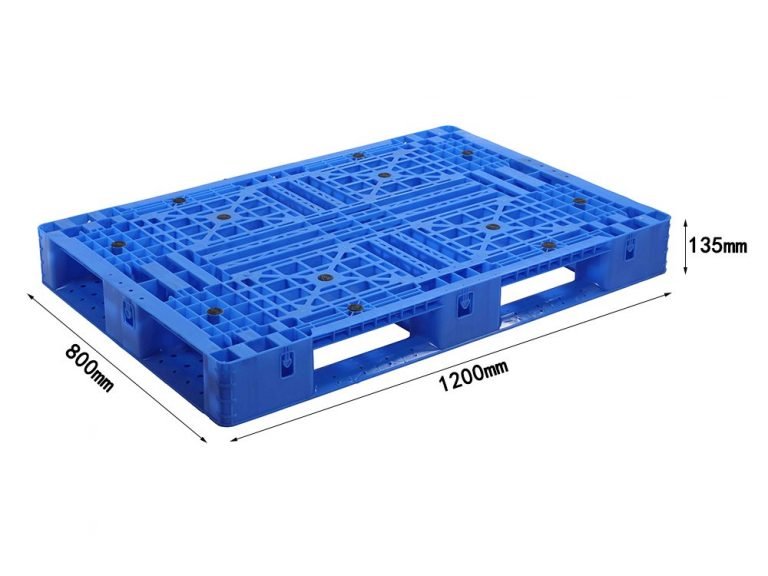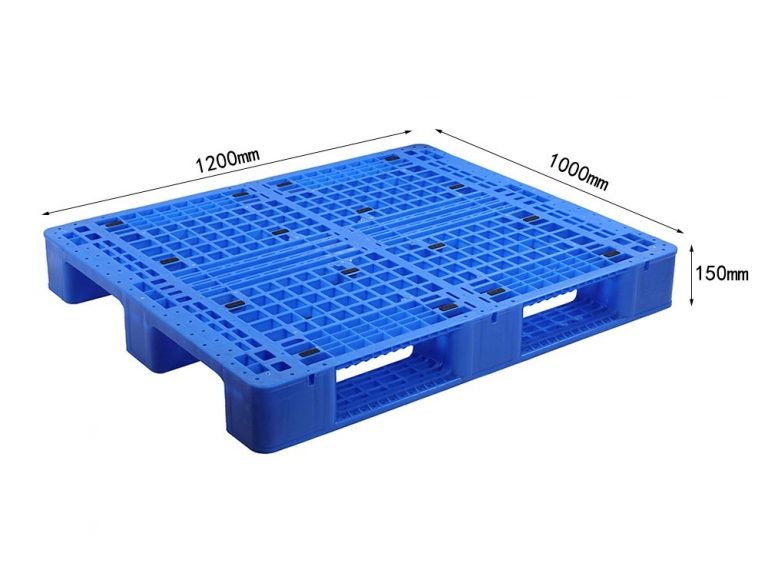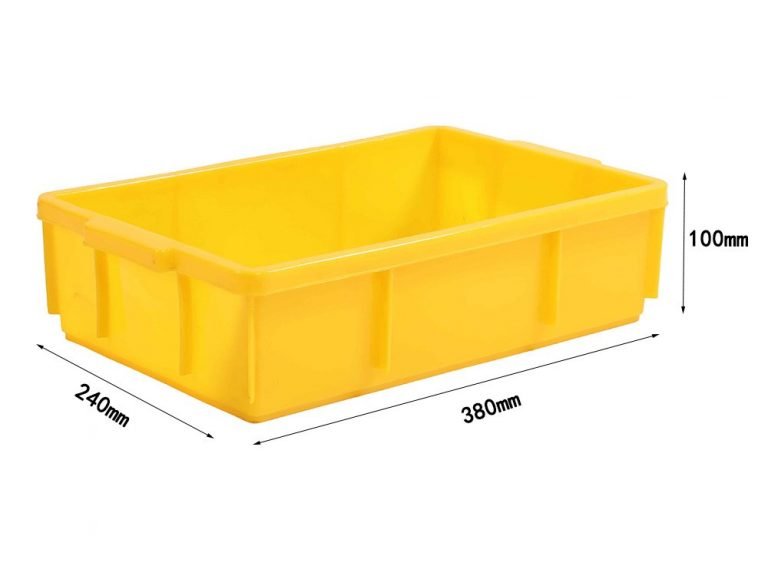
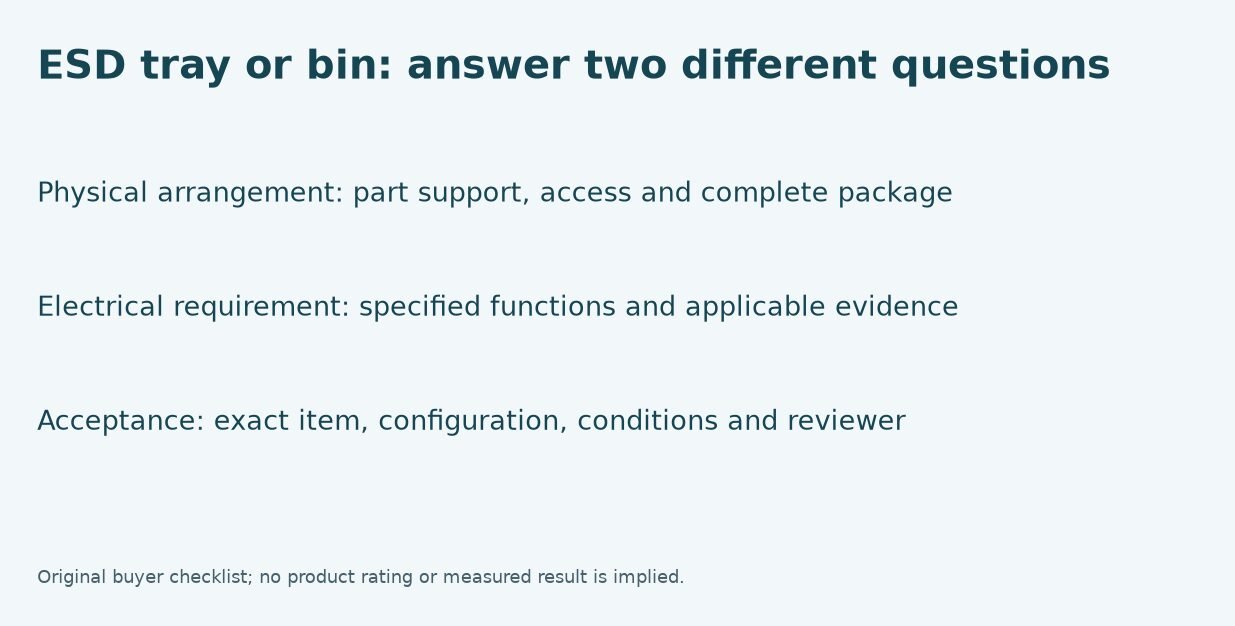
Choose between an ESD tray and a container by separating two decisions: how the parts will be physically supported, and which electrical-control properties the packaging system must provide. A fitted tray can organize individual items, while a bin can hold larger assemblies or a separate inner package. Neither shape alone establishes ESD protection.
Have the responsible ESD team define the required properties for the actual devices and handling route. Then request evidence for the exact tray, bin, lid, liner and other components proposed.
Compare physical support before comparing labels
| Question | Tray-oriented inquiry | Bin-oriented inquiry |
|---|---|---|
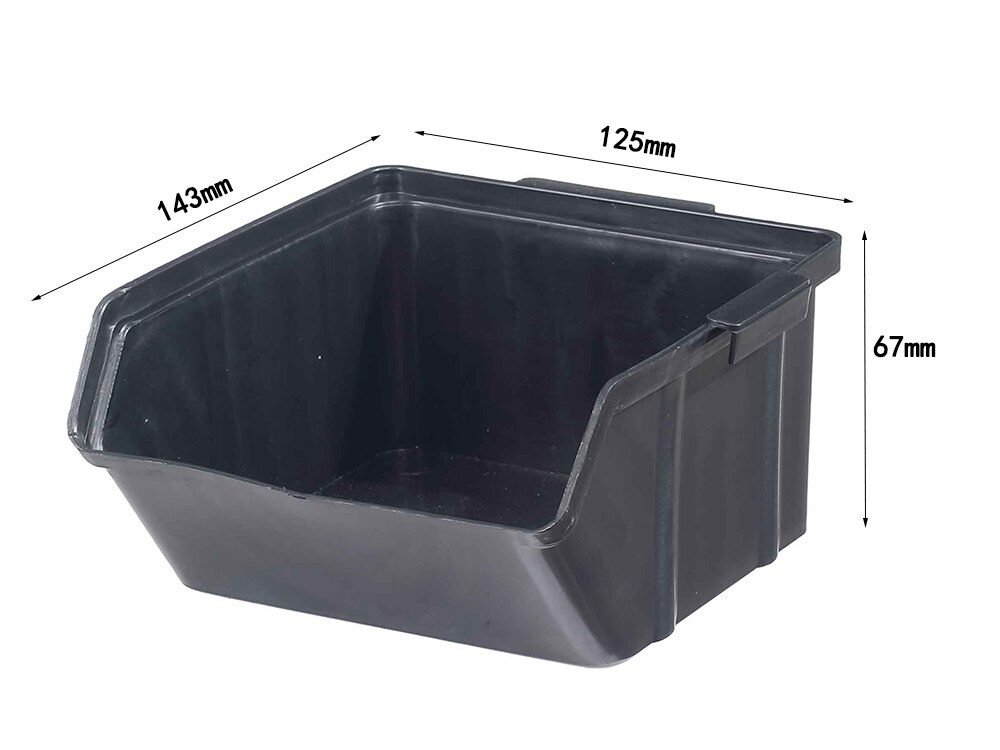
| How are parts positioned? | Individual cavities, slots or a defined support layout | Internal space, dividers or a separate inner package |
| What must remain accessible? | Picking points and removal clearance for each item | Opening size and access to the complete contents |
| What must not contact the package? | Identify restricted contact locations on the part drawing | Review contact with walls, dividers, liners and other items |
| How is the complete unit moved? | Tray support, cover and compatible carrier | Box, lid, handles and any internal supports |
| Which evidence is needed? | Exact tray configuration and agreed electrical requirements | Complete proposed packaging configuration and requirements |
Send the supplier a drawing or suitable sample showing the part envelope and intended orientation. Include protrusions and the space needed for handling. Do not choose from nominal capacity alone.
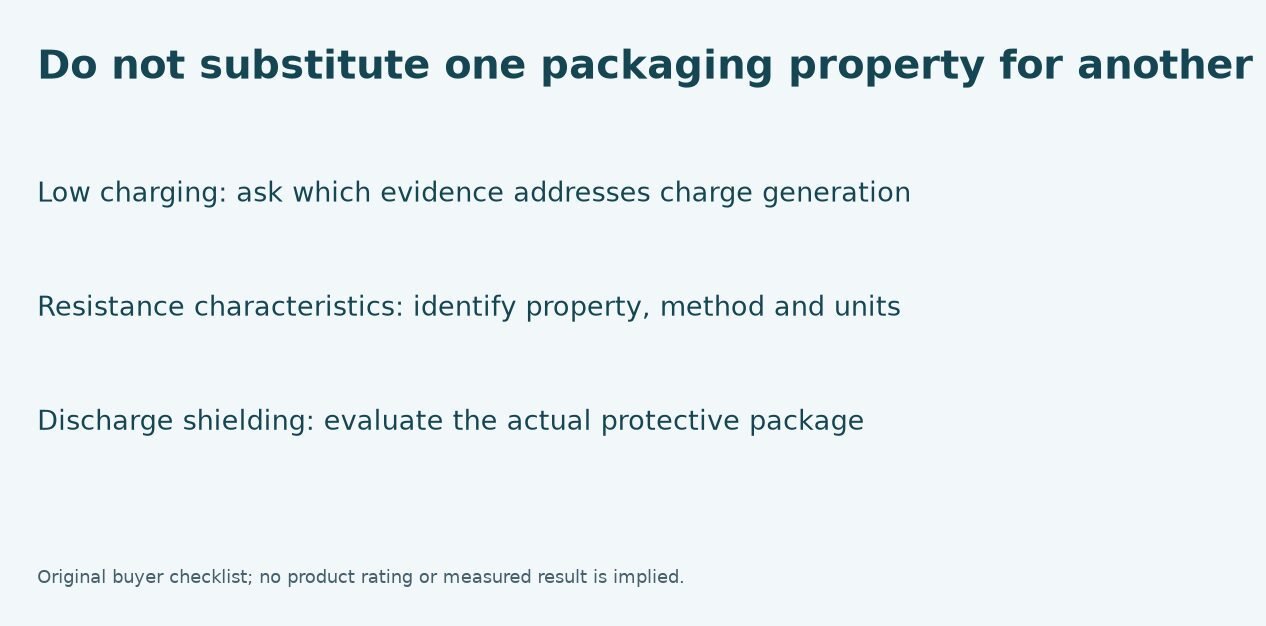
Distinguish charge control from shielding
Low charging, conductive or dissipative behaviour, and discharge shielding are separate packaging questions. A resistance result alone does not establish all of them. Determine the required functions for the actual packaging route with the responsible ESD personnel.
The EOS/ESD Association describes additional discharge-shielding needs when susceptible items move outside an electrostatic protected area. Review the complete package for that journey rather than assuming an open conductive bin provides every required function.
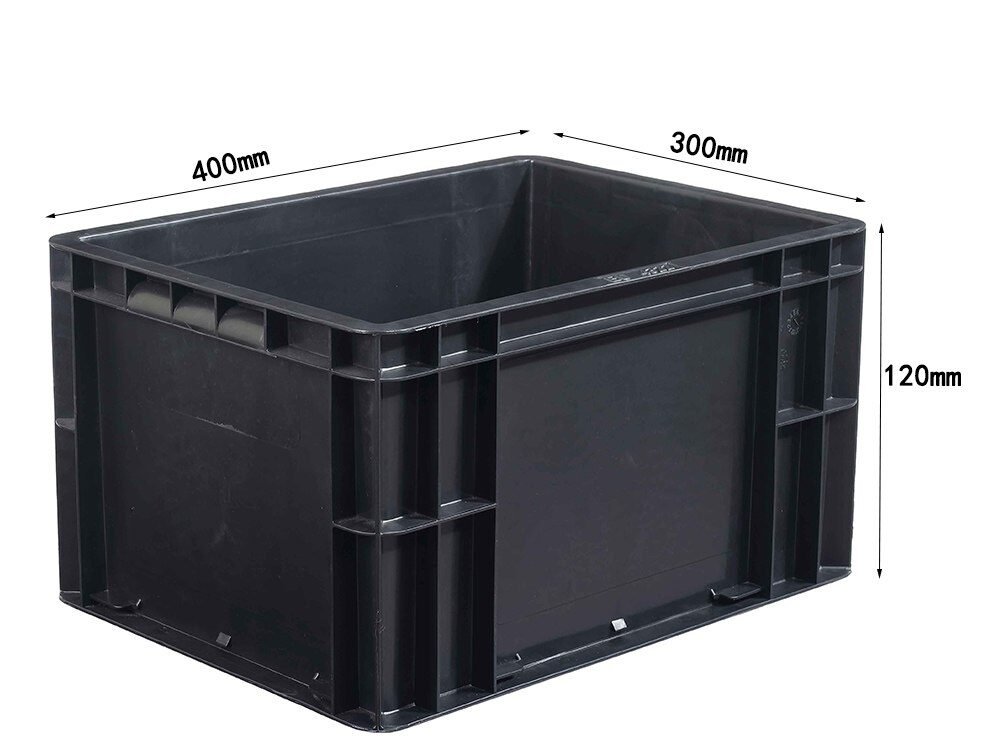
Specify the complete assembly, including the inside
Identify the proposed tray or bin reference and all components that contact or surround the parts. Ask whether the evidence covers the actual lid, divider, insert or liner configuration. Record any excluded or optional components.
For a tray, ask which part revision the cavities or support features represent. For a bin, identify how the contents are retained and separated. An outer container that fits the available shelf space does not establish a suitable inner arrangement.
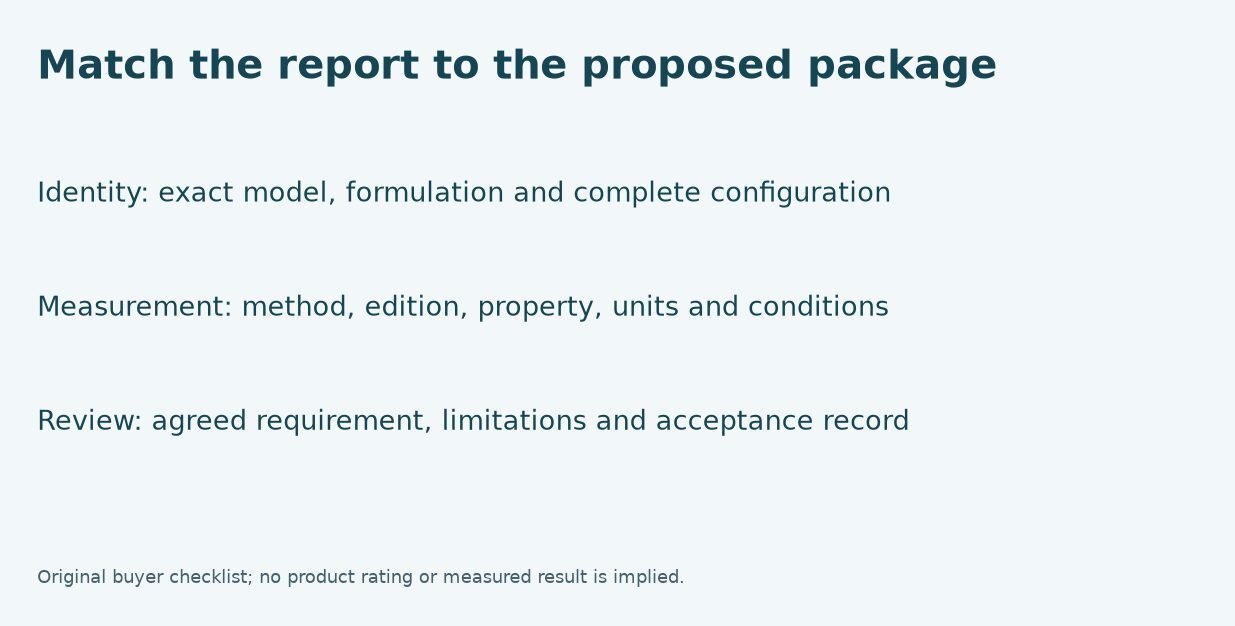
Request a test report that can be matched to the item
Ask the supplier to identify the tested model or material, sample configuration, test method and edition, measured characteristic, units and conditions. Have your technical reviewer decide whether that evidence addresses the actual requirement.
Keep a material plaque result distinct from evidence for a complete assembly. If the report describes a different formulation or component, ask how it applies to the proposed item rather than treating the document title as approval.
Review mechanical handling and electrical requirements together
Record the filled mass, support arrangement and method of movement. Check the actual stack or carrier combination and obtain instructions covering that arrangement. Do not infer load capacity, drop performance or interlocking compatibility from the material description.
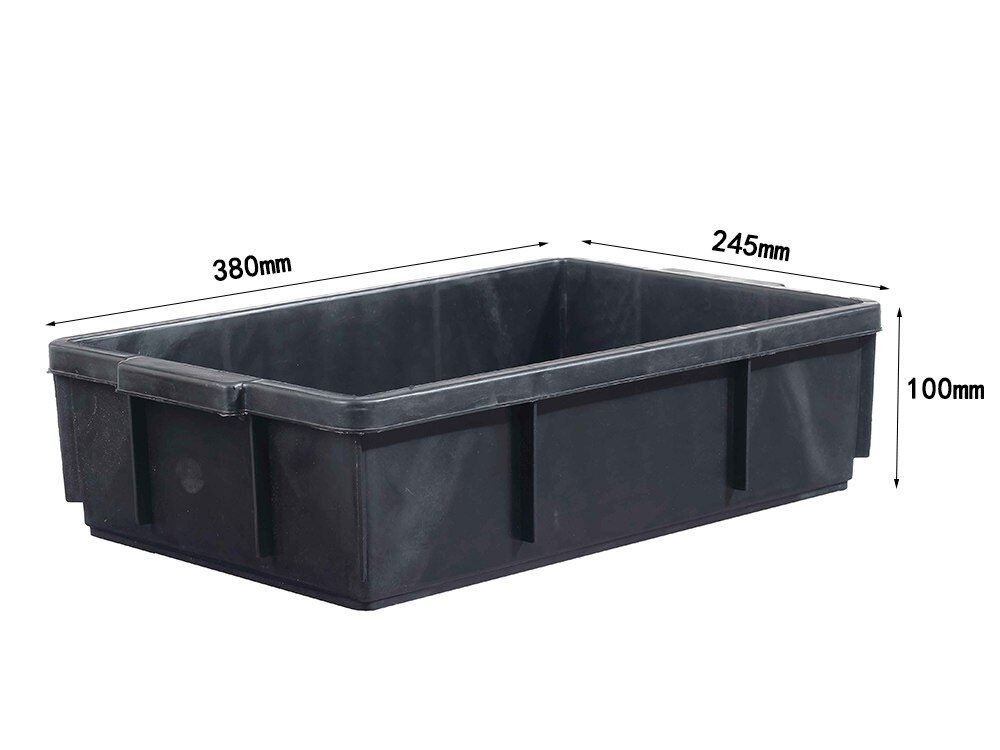
Include any cleaning, storage or repeated-use conditions that matter to your process. Ask how the applicable instructions and verification plan address them. Keep configuration changes visible so a replacement insert, lid or material is reviewed before use.
Prepare a tray-versus-bin request
- Part or assembly drawing, revision, dimensions and handling needs
- Quantity and intended orientation per package
- Permitted support and restricted contact locations
- Workstation, storage and transport route
- Required electrical-control functions and evidence
- Complete assembly, cleaning conditions and sample checks
Send the packaging requirements to LSY Plastic and ask for the exact proposed configuration and available supporting records. Technical acceptance should refer to those records and the actual ESD-control requirements.
Common purchasing questions
Does a black bin mean it is ESD suitable?
No. Obtain model-specific evidence for the required properties and conditions. Colour is not a test result.
Does a conductive label mean the package provides discharge shielding?
Do not assume it. Have the complete package and applicable evidence reviewed for the actual protection requirement.
Which is better, an ESD tray or a bin?
Compare how the parts must be supported and handled, then check the electrical requirements of the complete package. The label or shape alone does not settle the decision.