Produce does not stop respiring when it is picked. A crate of tomatoes or leafy greens generates heat and moisture continuously, and whatever the packaging does with that heat decides how much of the crop reaches the shelf. This is why field crates are ventilated rather than solid, and why the ventilation pattern is a specification and not a decoration.
What ventilation actually does
Three things. It lets field heat escape, which is why produce is often pre-cooled in the crate rather than after unpacking. It lets cold air circulate through a palletised stack in a cold room, so the middle of the load cools at roughly the same rate as the outside. And it lets water drain after washing or hydro-cooling, so produce is not sitting in its own wash water during transport.
The trade-off is structural: every hole is material removed from the wall, so a heavily ventilated crate carries less than a closed one of the same weight. The useful comparison is not hole count but load rating at the same crate weight.
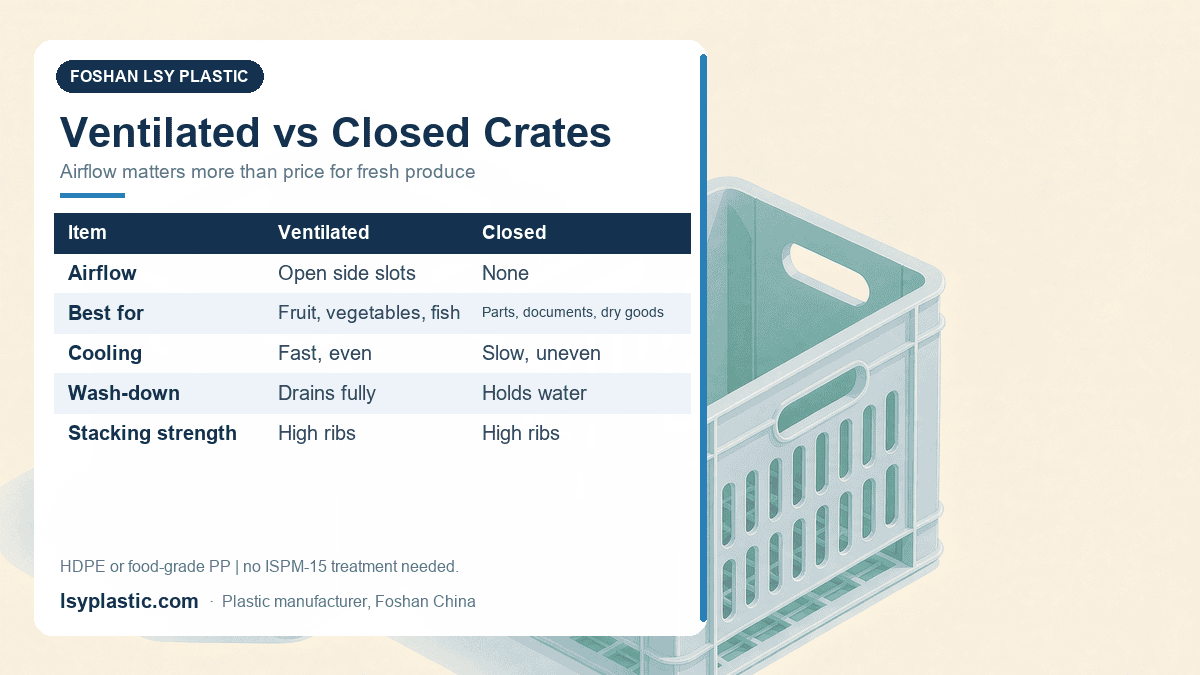
Ventilated versus closed: choosing by crop
| Requirement | Ventilated crate | Closed crate |
| Field heat removal | Fast | Slow |
| Cold room air circulation | Air reaches the load centre | Only the outer layers cool efficiently |
| Drainage after washing | Drains freely | Holds water |
| Small or loose items | Items can protrude or fall through | Contains anything |
| Stack load at equal weight | Lower | Higher |
| Cleaning | Washes and dries fast | Washes fast, dries slower |
Leafy greens, tomatoes, stone fruit and anything field-packed warm go in ventilated crates. Small items, granular product and anything that must not lose pieces go in closed ones. Mixed operations run both, which is why crate fleets tend to standardise on two footprints rather than one.
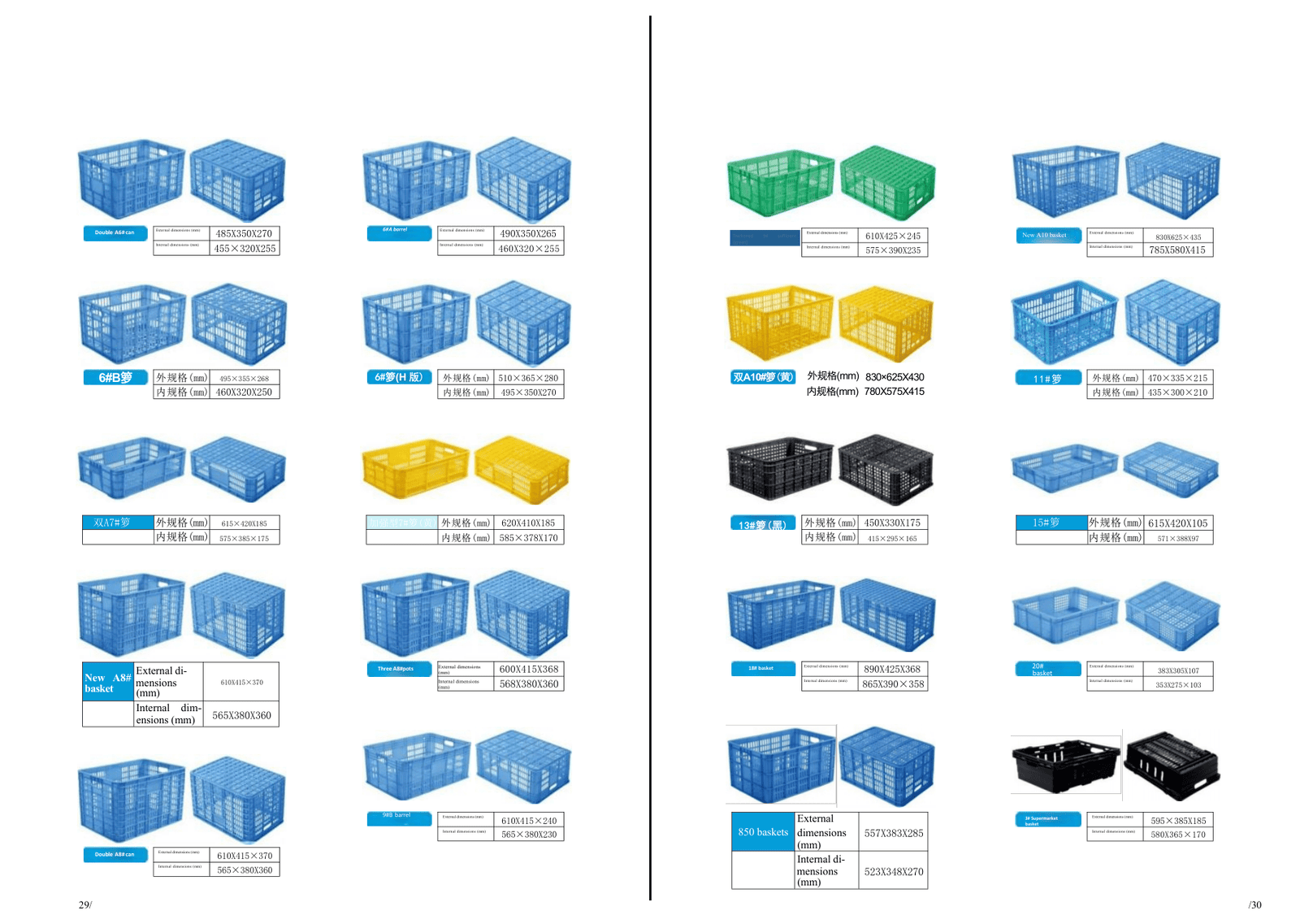
The three numbers that decide the crate
- External footprint — it has to stack on the pallet you already use. A crate that wastes 40 mm on every pallet layer costs you a layer of product on every load.
- Stacked height — including how far one crate nests into the one below it, because that sets how many fit in a truck and in a cold room.
- Nest ratio when empty — an empty crate that nests to a third of its height cuts the cost of every return trip. On a closed loop this is usually the largest single saving, and it is the number most often left out of a specification.
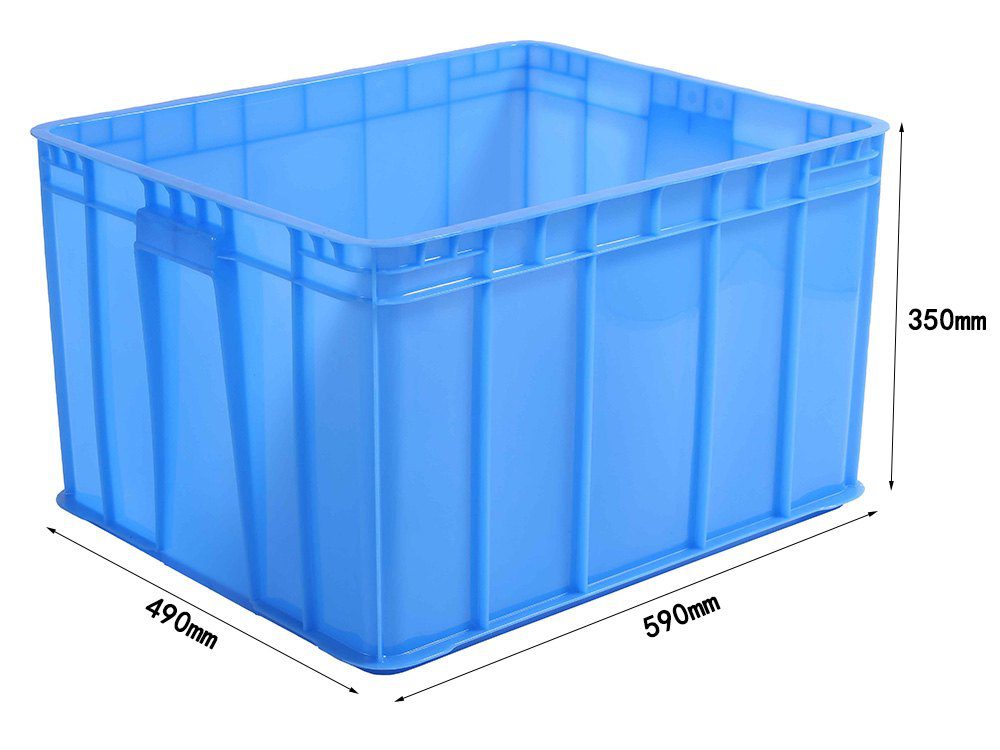
Running a returnable crate loop
Returnable crates only pay back if they come back. The loop works when three conditions hold: the crate has an identity (moulded-in or labelled), someone owns the return leg contractually, and the crate survives enough cycles to amortise. In practice that means specifying for washing — a crate that goes through a hot wash weekly needs a resin and a rib design that tolerate it, and ventilation helps here too because it drains and dries quickly.
FOSHAN LSY Plastic moulds ventilated produce crates alongside its closed crate, turnover box and pallet ranges, on presses from 180 to 2,500 tons with tooling maintained in its own mould workshop. Export orders ship as full container loads; samples are charged at cost. Domestic orders carry no minimum quantity.
FAQ
How much ventilation is too much?
Too much shows up as lost stacking strength and produce protruding through the wall. The practical test is the stack rating at the weight you are willing to ship — specify the load, not the hole count.
Can ventilated crates go through a washing line?
Yes, and they wash and drain faster than closed crates. Confirm the wash temperature with the supplier, because that sets the resin grade.
Do you ship mixed footprints in one container?
Export orders move as full container loads and can be mixed by model subject to production planning — confirm the split when you enquire so the loading plan works.