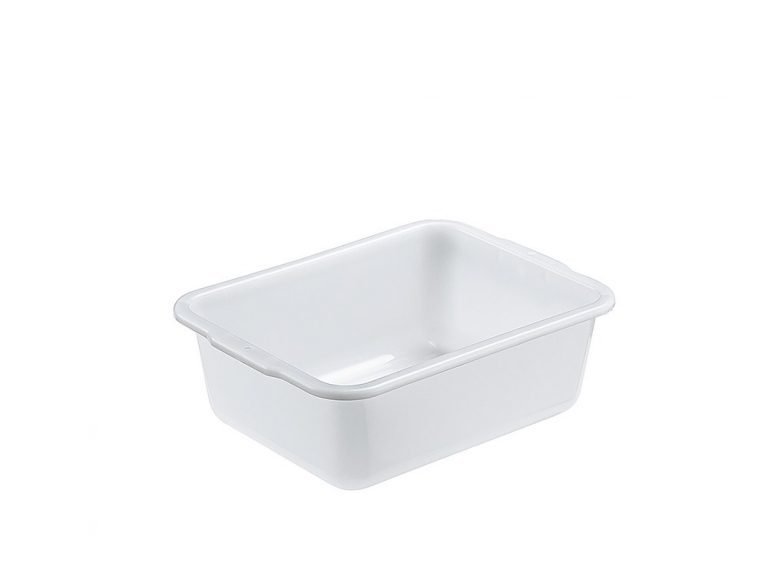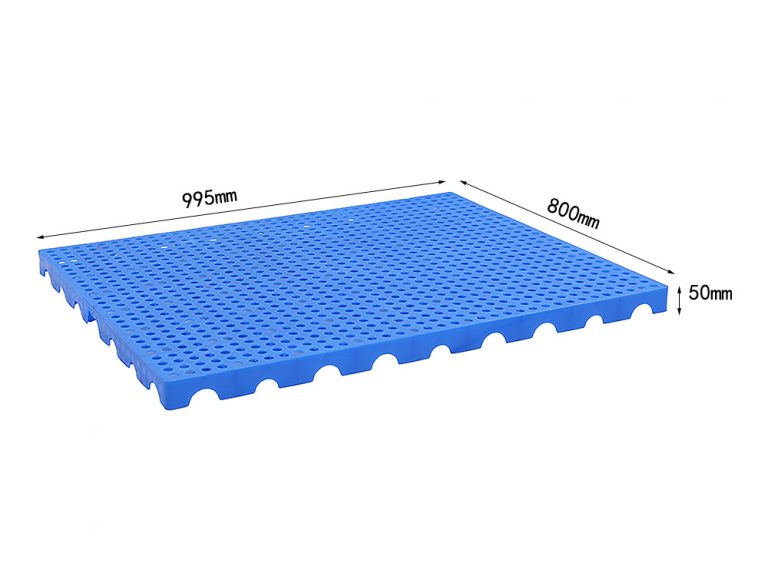
Draft is the slight taper on a vertical wall that lets a part come out of the tool. Without it, the part grips the cavity, the ejector pins fight it, and the result is either drag marks on a cosmetic face or a part that will not release at all. It costs nothing to add at the drawing stage and it is one of the most expensive things to add after steel is cut.
How much draft is enough
For a smooth wall, a working rule is roughly one degree of draft per side, with half a degree as the practical floor on shallow parts. Deep cavities need more, because the same taper over a taller wall produces less clearance at the mouth — a three-degree wall on a shallow tray is generous, while the same three degrees on a 300 mm deep box may still drag.
The number that matters is not the angle on the drawing, it is the resulting clearance between the part and the steel. That clearance has to exceed the shrink that grips the part onto the core, and shrinkage is a material property — a filled, high-shrinkage grade needs more draft than an unfilled one for the same geometry.
Textured surfaces need more, and this is where drawings go wrong
A polished wall releases easily; a textured one does not, because the texture is a series of tiny undercuts that have to be lifted clear. The practical rule used on the shop floor: as texture depth increases, draft has to increase with it — roughly one to one and a half degrees of extra draft for every 0.025 mm of texture depth.
This is the single most common preventable tooling problem. A part designed with one degree of draft works perfectly in polished steel, then the marketing team asks for a leather-grain finish and the same part sticks. Adding draft after the tool is cut means re-cutting the cavity, which is a tooling bill and a delay, not a drawing change.
Where draft gets forgotten
- Ribs and bosses — the sides of a rib need draft as much as an outside wall, and a tall boss is a deep cavity in miniature.
- Holes and slots — a through-hole formed by a pin needs draft on the pin side, otherwise the part hangs on the pin rather than the cavity.
- Deep boxes and crates — the tallest wall sets the requirement, not the shortest.
- Snap-fits and lips — an undercut formed by a lip needs a slide or a lifter in the tool, which is a cost decision that should be made on the drawing.
- Lettering and logos — raised text on a surface behaves like texture and drags if the surrounding wall has no draft.

What happens when draft is insufficient
The symptoms escalate. First come drag marks and scuffing on the wall. Then ejection force rises, which shows up as ejector pin marks and stress whitening. Then the part starts sticking on one side, which produces warpage as it is pushed off. In the worst case the part will not release at all and the tool has to come out of the press.
Increasing ejector force to compensate does not fix the cause — it accelerates wear on the pins and the part, and it usually cracks the area around a boss rather than releasing the wall.
Design decisions that remove the problem
Three habits prevent almost all draft problems: specify draft on every vertical surface at the drawing stage, including ribs and holes; tell the toolmaker what surface finish is intended before steel is cut; and review the part with the moulding team while it is still a drawing. The last one is the cheapest of the three.

FAQ
How much draft should I put on a plastic pallet or crate?
Start at about one degree per side on smooth walls and increase with wall depth and with any texture. On deep crates and boxes the tall wall governs. Confirm the final figure with your moulder, because the right number depends on the resin’s shrinkage as well as the geometry.
Can draft be added after the tool is made?
Adding draft means removing steel from the cavity, which is possible on some tools and impossible on others — it depends on whether there is material to remove and whether the resulting dimension is still within tolerance. It is always cheaper to decide on the drawing.
Does a textured finish need more draft?
Yes. Texture is a series of micro-undercuts, so a wall that releases at one degree when polished will stick at one degree when textured. Budget roughly one to one and a half extra degrees per 0.025 mm of texture depth.
Related guides:
Ejector Pin Marks: Why They Show & How to Fix
Injection Molding Warpage: Causes & How to Control
Injection Molding Burn Marks: Causes & Fixes