Tooling is the largest one-off cost in a moulded product programme, and it is the asset most often left undocumented. A buyer pays tens of thousands of dollars for a mould, assumes he owns it, and discovers two years later — usually when he wants to move production or when an invoice is disputed — that nothing was ever written down.
The default position, and why it is not enough
The commercial convention is straightforward: whoever pays for the mould owns it, and the factory holds it on the owner’s behalf to run production. That convention is widely honoured. It is also unenforceable in practice if it is only a convention, because a mould sitting in someone else’s factory is controlled by whoever has physical possession.
A tooling agreement converts possession into a documented arrangement. It does not need to be long. It needs to state six things.
The six clauses that matter
| Clause | What it should say | Why it matters |
|---|---|---|
| Ownership | buyer owns the tool; factory is custodian | The baseline everything else rests on |
| Identification | Mould number, product, cavity count, build date | A tool without a number cannot be claimed |
| Mould life | Expected shots, and who pays when it is reached | Prevents a surprise re-tooling invoice mid-programme |
| Maintenance | Routine care, repair responsibility, cost allocation | Normal wear versus damage is a frequent dispute |
| Exclusivity | Tool will not be used for third-party orders | Protects a proprietary design |
| Release terms | How and when the buyer can collect the tool | The clause that decides whether ownership is real |
Mould life: the number buyers forget to ask for
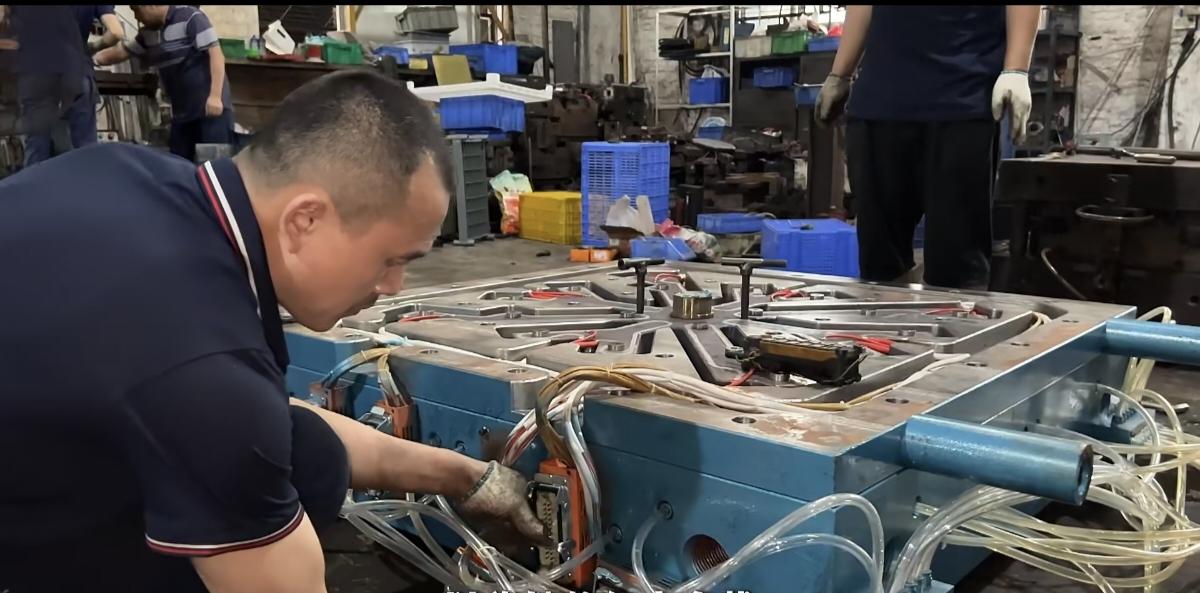
Moulds wear. A tool built in hardened steel for a high-volume programme behaves very differently from a prototype tool cut in aluminium or pre-hardened steel for a few thousand shots. Asking what steel was used and what shot life is expected is a fair question, and the answer tells you whether the tooling price was low because the tool was cheap.
The follow-up question is who pays at end of life. If a programme runs well, it will eventually outlast its first tool. Establishing at the start whether replacement tooling is the buyer’s cost or shared avoids an awkward conversation in year five.
Release terms: the clause that decides everything
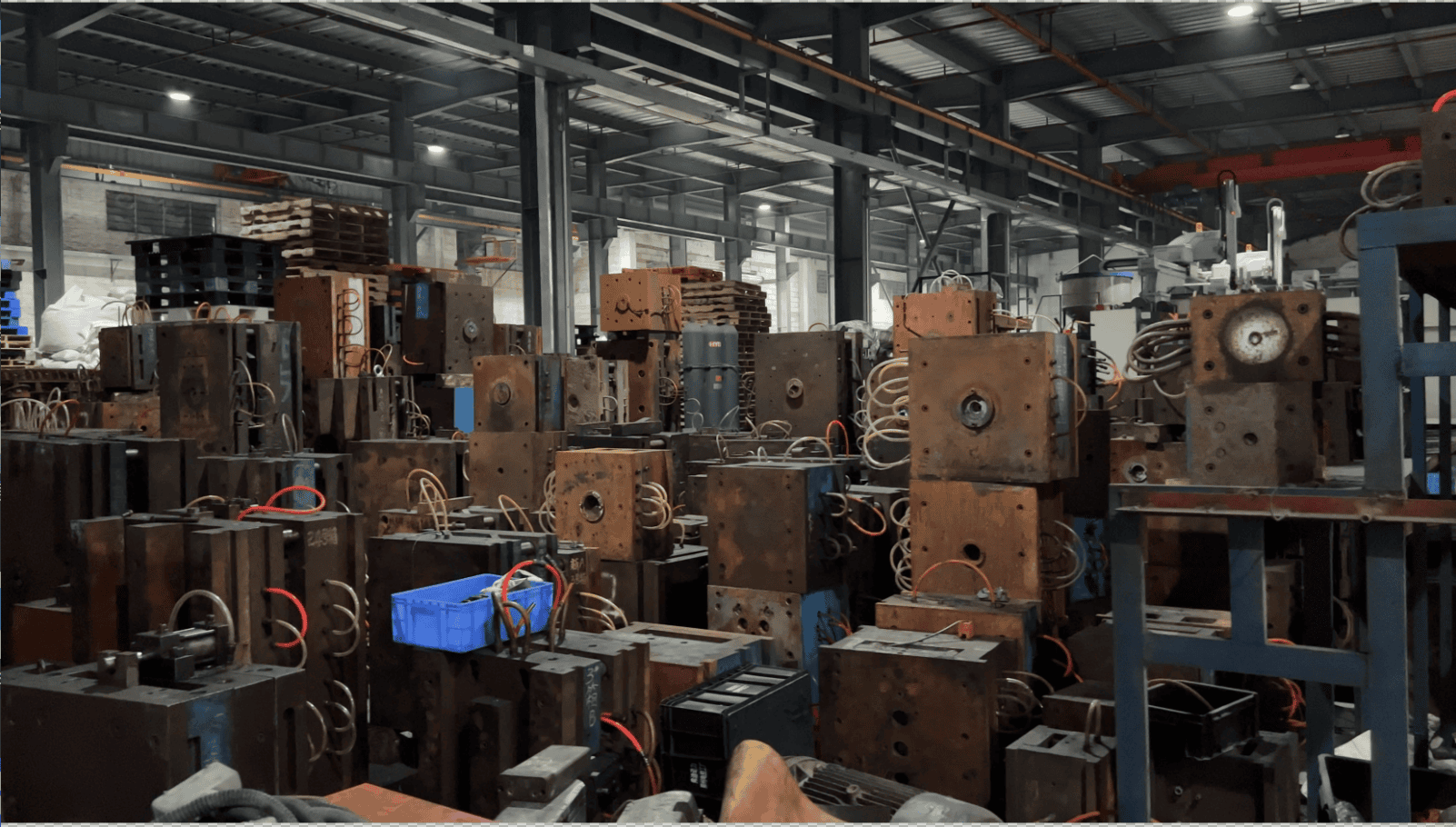
A mould you cannot collect is not really yours. Release terms should state that the buyer may take the tool once outstanding invoices for goods are settled, who pays packing and freight, and how much notice is required. They should also state what happens after a long period of inactivity — a factory cannot keep floor space allocated indefinitely, and a fair agreement sets a period after which storage terms are reviewed.
Practical detail worth adding: require photographs of the tool and its identification plate at handover, and keep them with the agreement. It costs nothing and it is what makes a claim specific.
Where disputes actually come from
Rarely from bad faith. Usually from one of three situations: a payment dispute where the factory holds the tool as leverage; a factory closure or relocation where assets are hard to trace; or a programme that stopped years ago and left the tool unlabelled in a rack. All three are handled by the documentation above rather than by goodwill.
FOSHAN LSY Plastic has an in-house mould workshop and builds customer tooling under written agreements covering ownership, identification, expected shot life and release. Customers are welcome to see the tool being built and to visit it during production. Export orders ship full container load, samples are charged at cost, and domestic Chinese orders carry no minimum quantity.
FAQ
If I pay for the mould, do I automatically own it?
Commercial convention says yes, but convention is not enforceable without documentation. Insist on a written tooling agreement stating that you own the tool and the factory is custodian, with the mould number recorded.
Can the factory use my mould to make products for other customers?
Not without your agreement. State exclusivity explicitly in the tooling agreement. Without that clause, a factory may reasonably consider an idle tool available.
What happens when the mould reaches the end of its life?
That should be settled before tooling starts. Ask what steel is specified and what shot life is expected, and agree in writing who funds replacement tooling when the life is reached.
Can I move my mould to another factory?
Yes if the release terms allow it — which is exactly why they should be negotiated up front, including notice period, packing and freight responsibility, and settlement of outstanding goods invoices.
Related guides:
Injection Molding Flash: Causes, Fixes & Limits