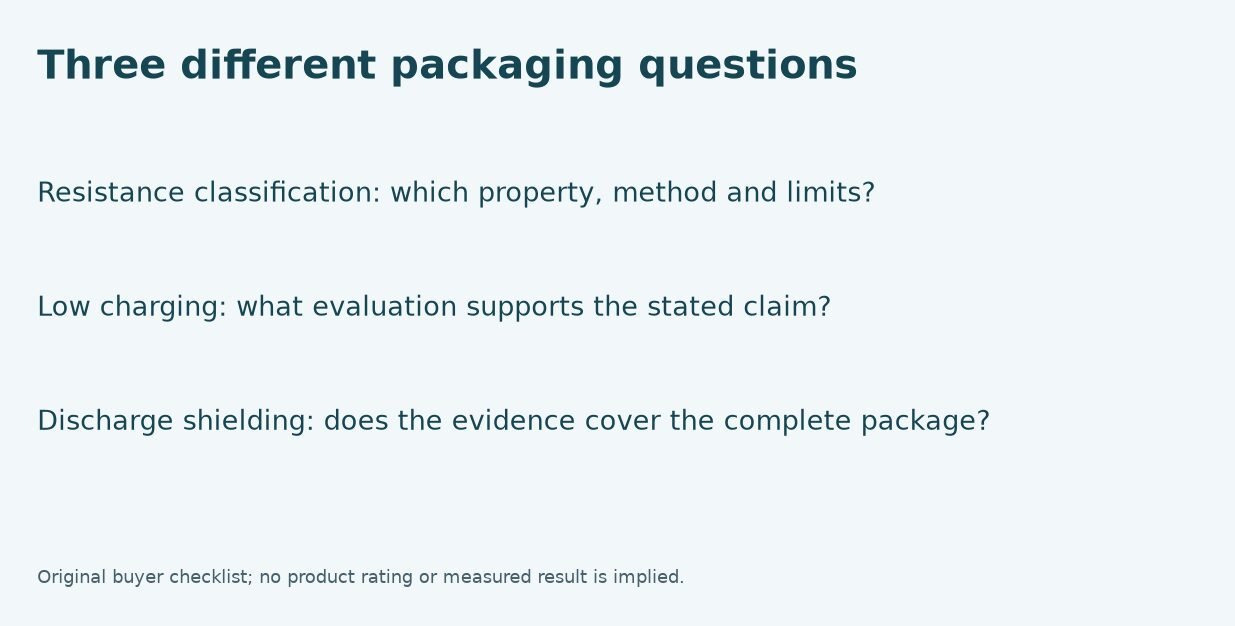
Conductive, static dissipative and antistatic are not interchangeable purchase specifications. Conductive and dissipative classifications concern specified electrical characteristics; antistatic or low charging concerns charge generation. A discharge-shielding requirement is another question to address for the complete package.
For an order, define the required function, measured property, test method and acceptance criteria with the responsible ESD personnel. Do not approve a container from a colour, a marketing label or a resistance number without its measurement context.
Separate the properties in the supplier inquiry
| Term or requirement | What to clarify | What it does not establish by itself |
|---|---|---|
| Conductive or dissipative | Measured characteristic, range, units and applicable classification method | Low charging, complete-package shielding or application approval |
| Antistatic or low charging | Meaning of the claim and the supporting evaluation | A particular resistance classification |
| Discharge shielding | Required protection and evidence for the actual package configuration | All other handling and storage requirements |
| ESD suitable | Exact intended use and evidence against the agreed requirements | Universal protection for every device and route |
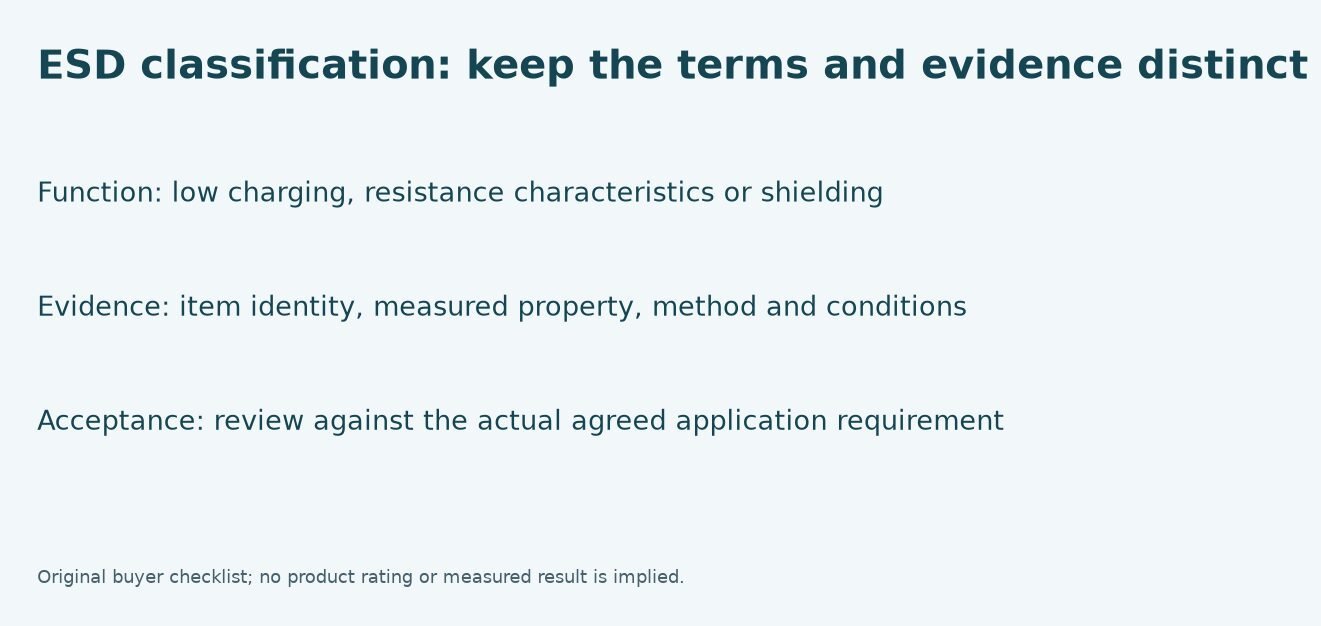
The EOS/ESD Association explains that low-charging properties are not necessarily predicted by resistance or resistivity. Treat those as separate evidence questions rather than placing every term on one universal resistance ladder.
Read the measured characteristic before the number
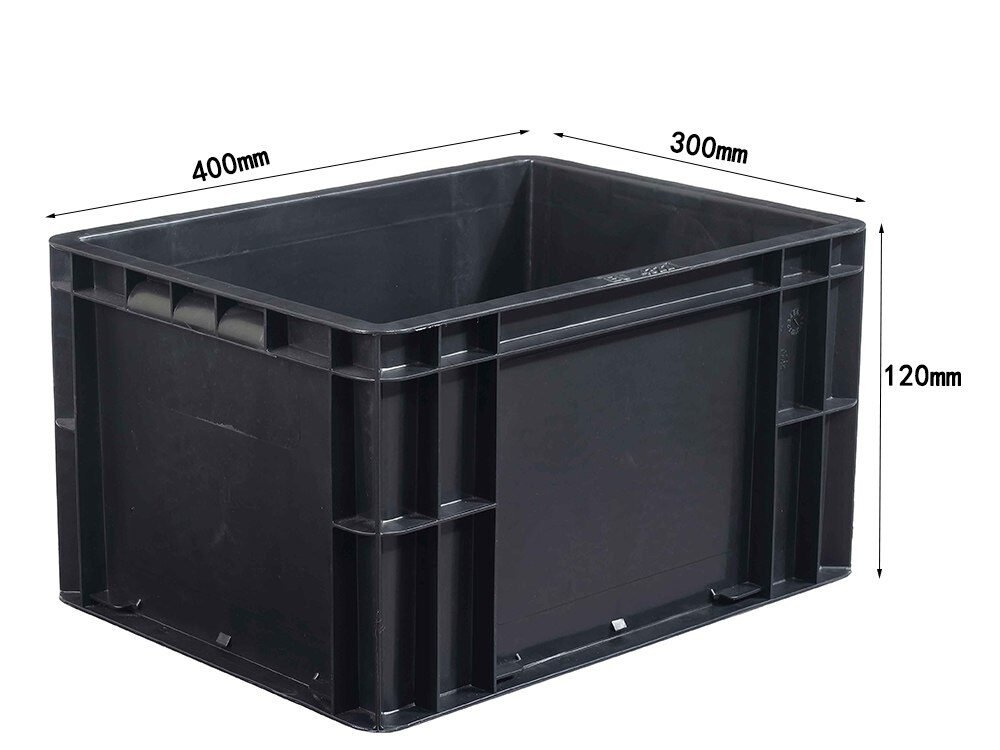
Ask what was measured: for example, a specified surface measurement, a measurement through material, or a result for a complete packaging arrangement. Keep the report’s terminology and units intact when discussing it with the technical reviewer.
Record the test method and edition, electrode or specimen arrangement where relevant, test conditions and the identity of the tested item. Do not compare two numbers as though they were equivalent when their methods or measured characteristics differ.
Use the applicable specification for acceptance limits
Have the responsible technical team identify the current requirement and acceptance limits for the intended use. A simplified internet table may omit the test method, measured property, standard edition or boundary conditions needed to interpret it.
Compare the supplier’s evidence against the agreed requirement, not against an unqualified label. If a report covers a material specimen rather than the proposed assembly, ask the supplier and reviewer to resolve that distinction before approval.
Keep the complete container configuration traceable
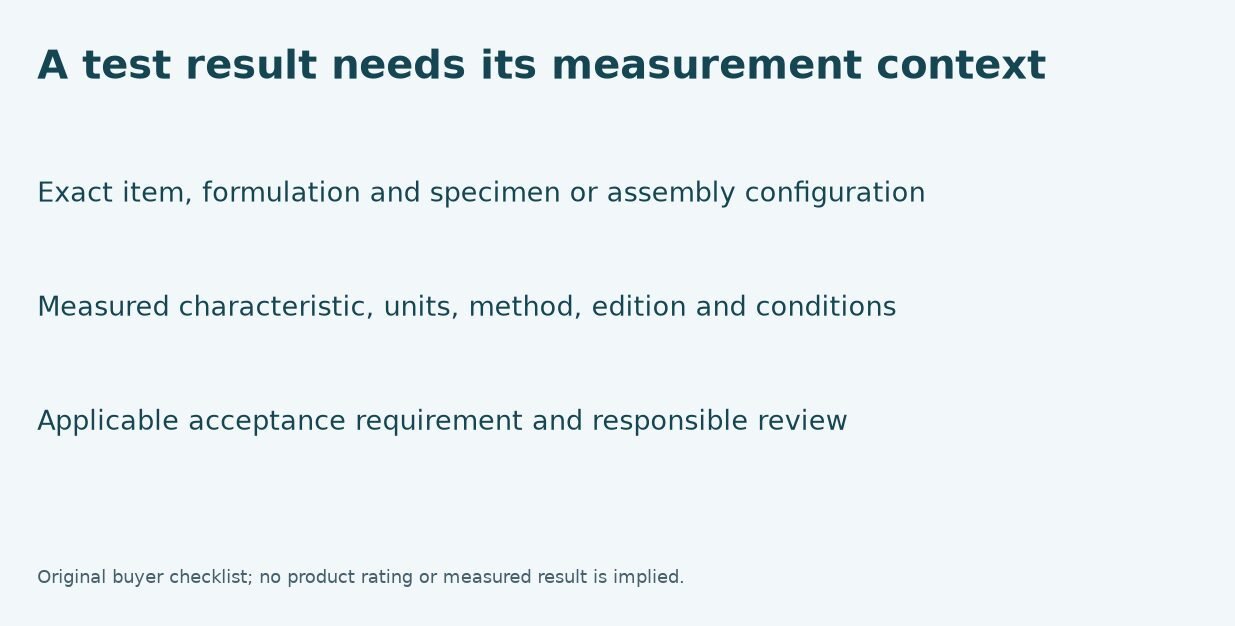
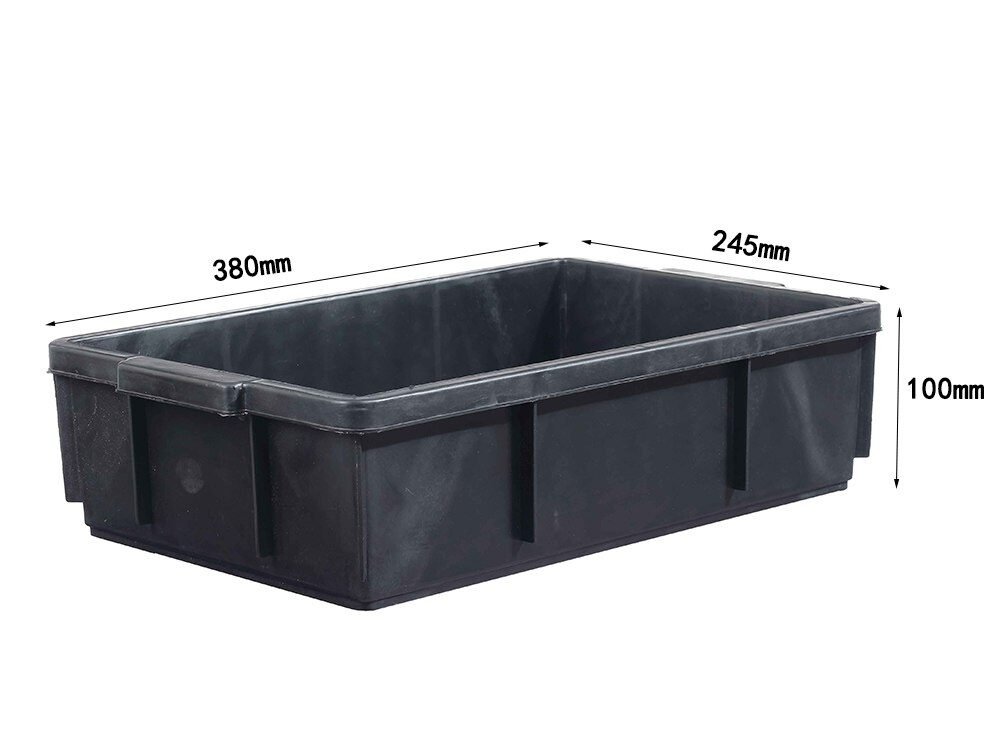
Identify the box or tray, lid, dividers, liners and other relevant components. Record the material or formulation reference and how any substitution is controlled. A document for one part should not silently be treated as evidence for every component in a different assembly.
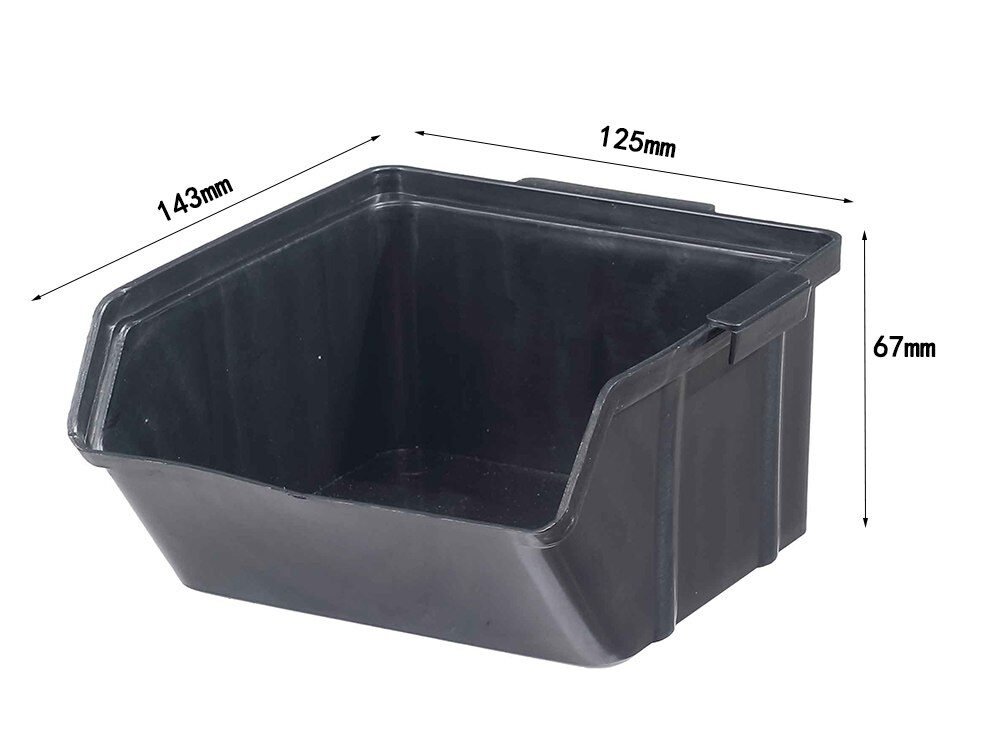
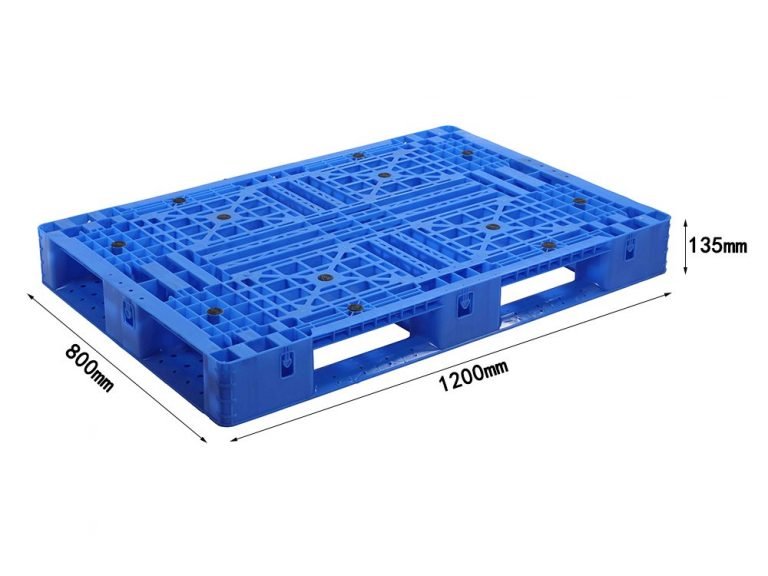
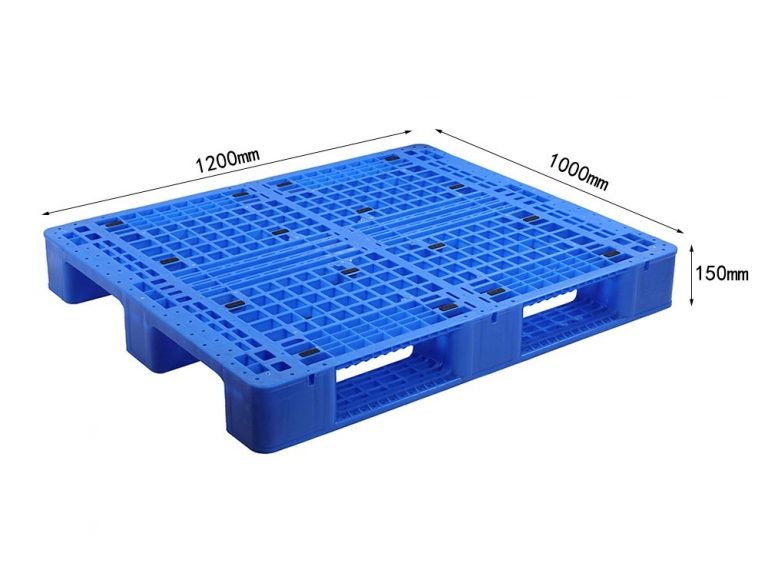
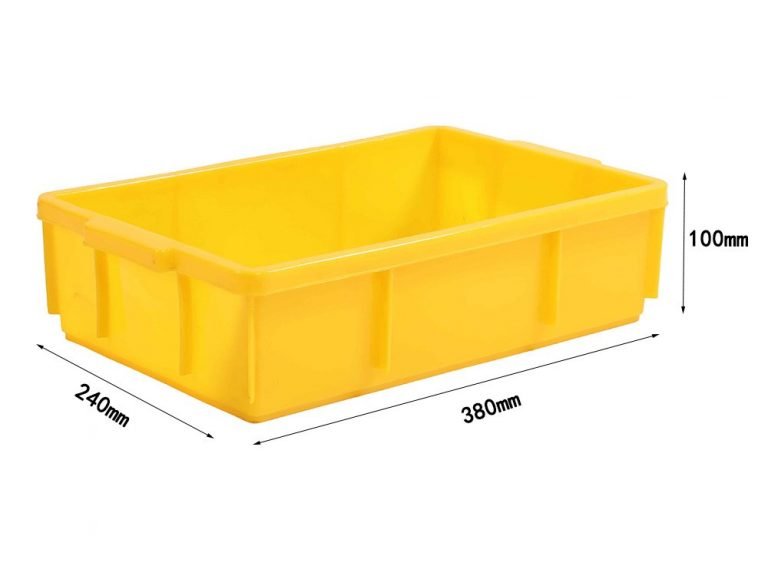
Do not infer composition or long-term behaviour from a photograph. Ask what evidence supports the supplier’s claim and which intended cleaning, storage or repeated-use conditions it covers.
Review the actual route rather than assigning a class by item name
Provide the device or assembly information and describe each storage, handling and transfer step. Include whether the proposed package changes along that route. Have the ESD team determine the necessary functions of each complete arrangement.
A rule such as conductive for one named device category and dissipative for another can omit important application conditions. Powered assemblies and other special circumstances also need the responsible electrical-safety and ESD review; do not select materials solely from a purchasing article.
Specify verification and changes before ordering
Agree what records will accompany the sample and shipment, which checks will be made and who can accept a difference. Record how formulation or component changes will be evaluated. Keep the actual item identity with every result.
Ask the responsible team to establish any ongoing verification needed for the application. Do not prescribe an unsupported universal inspection interval or assume a single old report establishes every later batch’s condition.
Prepare the classification request
- Exact item and complete assembly references
- Intended contents and handling route
- Required protection functions
- Measured properties, methods, editions and acceptance criteria
- Operating, cleaning and storage conditions
- Sample evidence, shipment checks and change-control requirements
Send the proposed ESD-container requirements to LSY Plastic and request the applicable records. Keep technical acceptance tied to the actual specification and reviewed evidence.
Common terminology questions
Is antistatic the same as dissipative?
No. Ask which property the claim describes and what evidence supports it; do not substitute one label for the other.
Is lower resistance always the better choice?
Do not rank packages by one number alone. Have the required functions and complete arrangement reviewed for the actual application.
Does a resistance report prove shielding?
It does not automatically establish every packaging function. Obtain the appropriate evidence for the shielding requirement and the actual package.