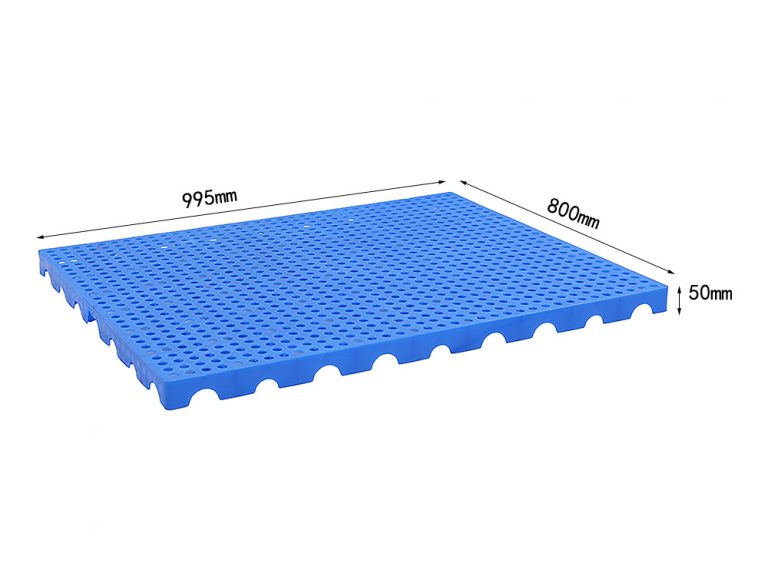
Most standard plastic pallets weigh between 6 kg and 25 kg (13 to 55 lbs), depending on size, material and design. A lightweight nestable export pallet can be as light as 5 kg, while a heavy-duty rackable pallet with steel reinforcement may reach 25 kg or more. Understanding these weight differences helps buyers choose the right pallet for shipping, handling and warehouse racking.
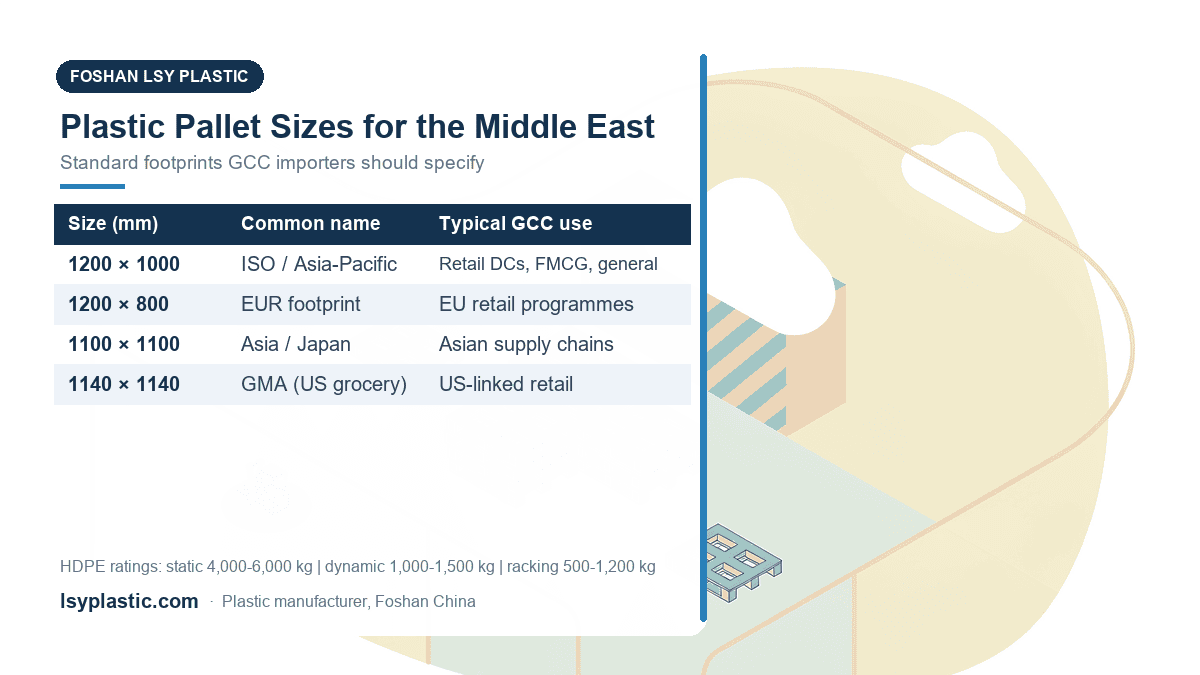
For a full chart covering 1200×1000, 1200×800 and 1140×1140 pallets, check our plastic pallet dimensions guide.
Why Pallet Weight Matters for Shipping and Handling
Weight directly affects freight costs, manual handling safety and fuel consumption. In air freight, every kilogram counts. In sea freight, lighter pallets allow more product per container. For warehouse staff, pallets under 10 kg reduce lifting injuries and speed up changeovers.
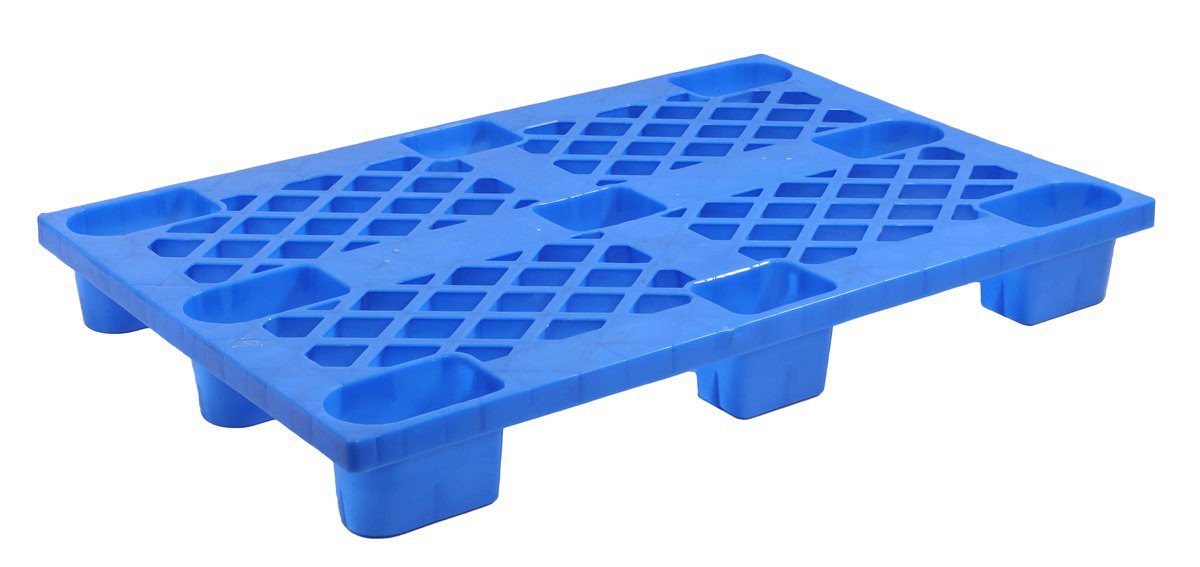
Buyers often ask whether a lighter pallet means weaker performance. The answer depends on material grade and structural design. A well-engineered HDPE pallet can be both light and strong when ribs and runners are optimized.
Plastic Pallet Weight by Size and Type
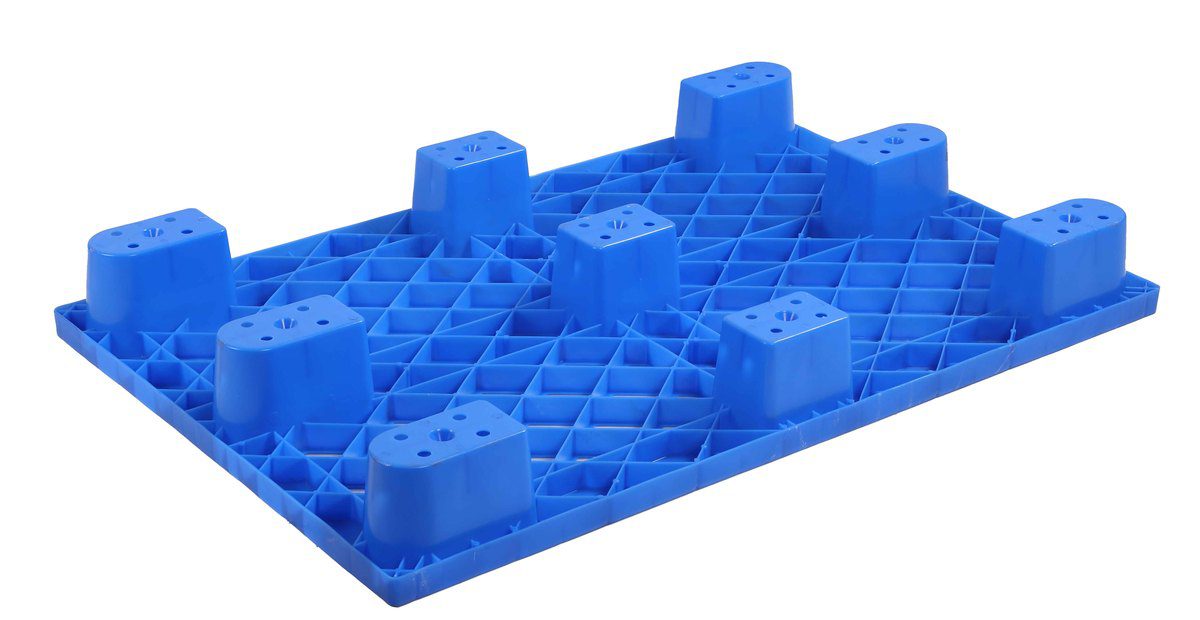
The table below shows typical weight ranges for common plastic pallet dimensions used in export and domestic logistics.
| Pallet Size (mm) | Type | Typical Weight | Best For |
|---|---|---|---|
| 1200 x 1000 | Lightweight nestable | 5.5 – 7.5 kg | One-way export, air freight |
| 1200 x 1000 | Medium-duty stackable | 8 – 12 kg | Warehouse stacking, retail distribution |
| 1200 x 1000 | Heavy-duty rackable | 15 – 22 kg | High-rack storage, steel reinforcement |
| 1100 x 1100 | Medium-duty | 9 – 13 kg | Asian market export, automotive |
| 1200 x 800 (Euro) | Stackable | 7 – 11 kg | European logistics, food industry |
| 1140 x 1140 | Nestable | 6 – 9 kg | Australian export, bulk goods |
How Material Affects Pallet Weight
Most industrial plastic pallets are molded from HDPE (high-density polyethylene) or PP (polypropylene). HDPE is slightly denser and often produces a heavier pallet for the same wall thickness, but it offers better impact resistance at low temperatures. PP is lighter and stiffer, making it popular for warm-climate warehousing and static loads.
Recycled content also changes weight. Post-industrial regrind blends can vary by batch density, causing a 3–8% weight difference between production runs. If you need consistent weight for air-freight calculations, specify virgin material or a tightly controlled regrind ratio.
For a deeper comparison of these materials, read our HDPE vs PP plastic pallets guide.
Lightweight vs Heavy-Duty: Which Do You Need?
Choose a Lightweight Pallet (under 10 kg) If:
- You ship by air or need to maximize container payload
- Pallets are single-use or for limited return loops
- Workers handle pallets manually without forklifts
- Your load is under 500 kg static weight
Choose a Heavy-Duty Pallet (over 15 kg) If:
- You store goods in high-bay racking above 3 metres
- Loads exceed 1000 kg or require steel reinforcement
- Pallets face harsh conditions like freezer storage
- You need a 5+ year service life with daily use
How to Reduce Freight Costs with Lighter Pallets
Switching from a 20 kg wooden pallet to a 7 kg plastic nestable pallet saves 13 kg per unit. In a 40ft container holding 500 pallets, that is 6.5 tonnes of saved weight—equivalent to adding extra product or cutting shipping charges.
For export shippers, 2-way entry pallets are often lighter than 4-way designs because they use fewer bottom runners. If forklift access from all sides is not essential, a 2-way design reduces both weight and cost.
Conclusion
Plastic pallet weight ranges from about 5 kg for lightweight nestable models to over 25 kg for steel-reinforced rackable units. The right choice balances freight savings against load capacity and service life. Always confirm the dynamic load, static load and racking load ratings before buying by weight alone.
What Pallet Weight Means for Your Cost Line
The same pallet footprint comes in three weight classes, and each class belongs to a different cost scenario. Match the class to how the pallet actually earns or costs money in your operation:
| Scenario | Weight class to choose | Why the weight matters here |
|---|---|---|
| Air freight | Lightweight nestable (5.5–7.5 kg) | Every kilogram is billed — the lightest pallet that meets your dynamic load rating wins on every shipment |
| Sea freight, one-way export | Lightweight to medium (5.5–12 kg) | Lighter pallets leave more of the container weight budget for product |
| Manual handling, high changeover | Under 10 kg | Pallets under 10 kg reduce lifting injuries and speed up changeovers |
| High-rack storage, heavy goods | Heavy-duty rackable (15–22 kg) | Steel reinforcement and thicker sections carry rack loads — the weight is the rating |
Weight specification checklist for buyers
- State whether virgin or regrind material is acceptable — regrind blends vary 3–8% in batch density, which shows up as pallet weight differences between production runs
- If air-freight calculations depend on pallet weight, specify virgin material or a tightly controlled regrind ratio, in writing
- Ask for the weight tolerance per unit and weigh a sample on arrival — consistent weight is a proxy for consistent molding
- Remember the design rule: a well-engineered HDPE pallet with optimized ribs and runners can be both light and strong — weight alone is not a quality verdict, but unexplained weight variation between batches is
Need pallets with precise weight specs for your freight calculations? LSY Plastic manufactures HDPE and PP pallets from 180T to 2500T injection machines, with weights tailored to your shipping mode. Contact us on WhatsApp +86 19311059570 or email fstyx01@lsyplastic.com for a specification sheet.