If you are searching waste bin price in ghana,
240 ltr waste bin price in ghana or 120 ltr waste bin price in ghana,
you have probably already noticed that the prices quoted locally vary by a factor of three or more.
That is not random. This page explains what actually drives the number, what a factory-direct
container load costs against a local retail purchase, and the two specification decisions that
determine whether bins last one season or five in Ghanaian conditions.
Why local quotes vary so widely
Three variables explain most of the spread:
- Resin quality and the recycled content question. A bin moulded from virgin HDPE
with UV stabiliser and a bin moulded from ungraded regrind look similar in a photograph and behave
completely differently outdoors. The cheaper one is often the second type. Ask directly what the
recycled content is. - Wall thickness and weight. Bin weight in kilograms is the single fastest way to
compare two quotations that look identical on paper. A 240L bin that is 30% lighter is 30% less
material, and it will crack at the rim and wheel housings first. - UV stabilisation. Ghana sits close to the equator and receives intense
year-round ultraviolet radiation. Unstabilised polypropylene embrittles fast under it. This is the
most common cause of bins that split after a single dry season.
Buyers comparing against jumia 240 ltr waste bin price in ghana are comparing
against a single-unit retail listing that includes import margin, local distribution, platform
commission and retail markup. A factory-direct FCL order is a different price structure entirely —
typically a fraction of the per-unit retail figure, with freight, duty and clearing added.
Which size you actually need
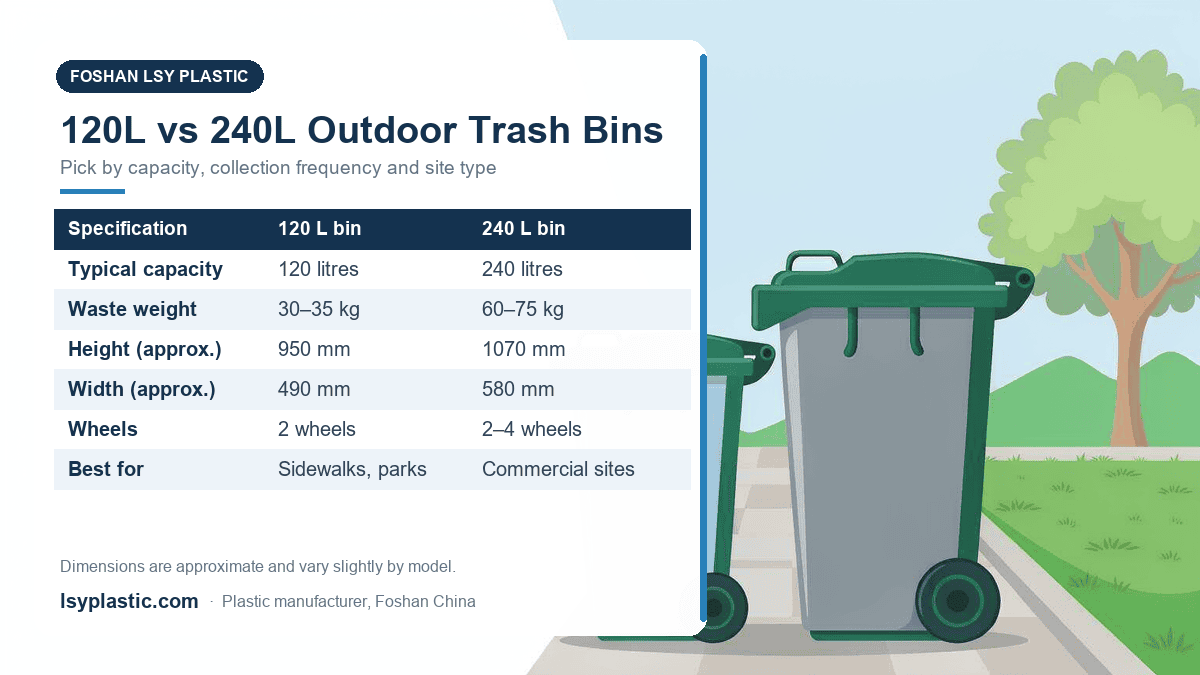
- 120L — the practical size for smaller premises, compounds, clinics, schools and
internal collection points where a full bin still needs to be movable by one person. Also the common
choice for hospitality and office campuses. - 240L — the municipal and industrial standard, sized to match standard
kerbside-lift collection vehicles. If your waste is collected by a truck with a comb-lift mechanism,
240L is almost certainly what the equipment is built for. Confirm the lifting comb standard before
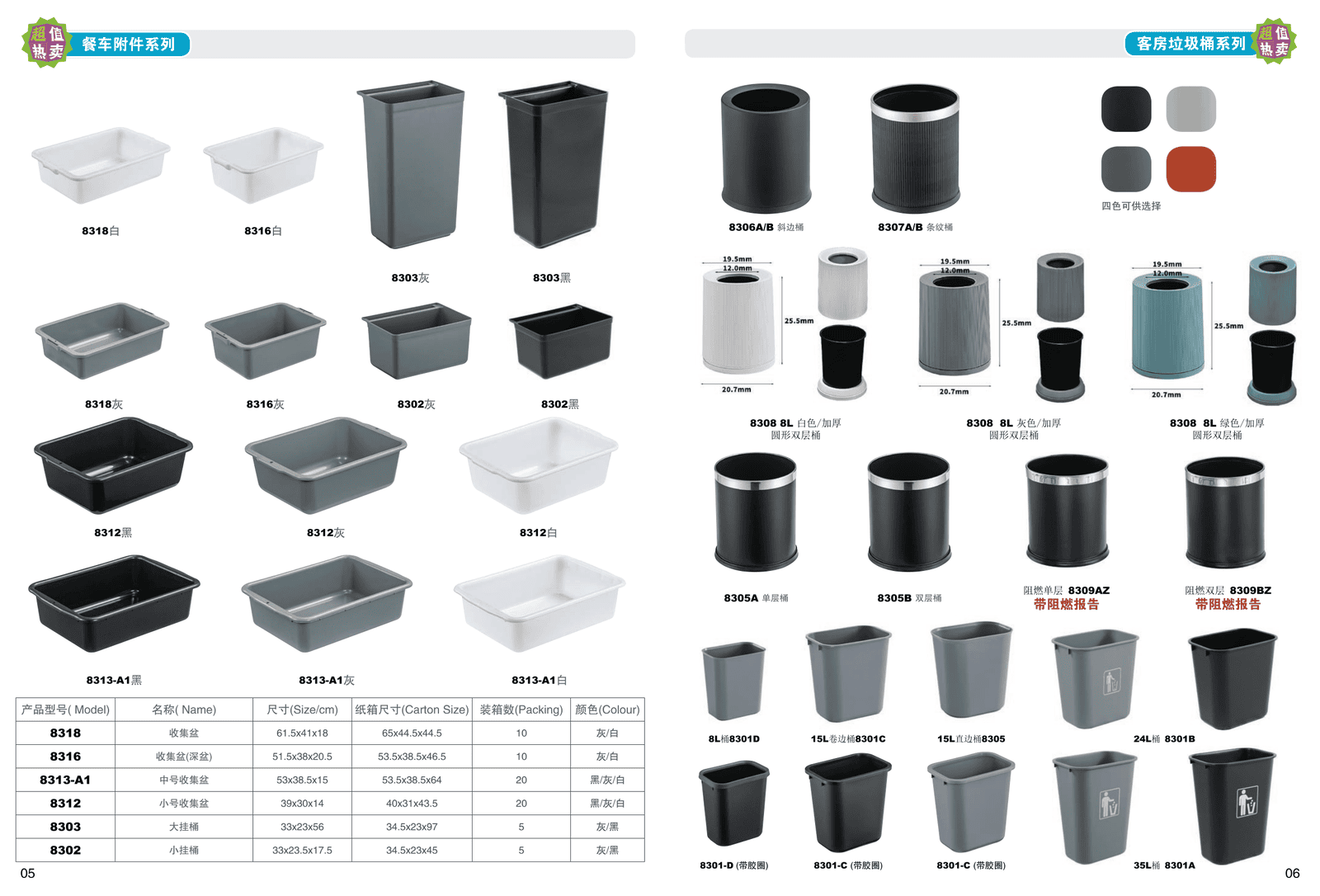
ordering. - Smaller pedal bins (8L to 30L) — for washrooms, guest rooms and healthcare
settings where hands-free operation matters.
For hospitality buyers, our hotel
and restaurant bin sizing guide sets out capacity per room type and how many units a 40HQ
container holds per size.
Specification for equatorial conditions
Two decisions matter more in West Africa than almost anywhere else:
- Specify UV-stabilised HDPE for anything outdoors. Not polypropylene, and not
unstabilised resin. The cost difference per unit is small; the difference in service life is measured
in years. This applies to bins, crates and pallets alike. - Choose lighter body colours where bins sit in direct sun. Dark bodies absorb
radiant heat, which accelerates odour build-up in organic waste and speeds up material ageing. - Check the wheel and axle specification. On rough or unpaved surfaces the wheels
and axle housings fail before the body does. Confirm the wheel material and axle diameter, not just
the bin volume.
Tema port: plan for the clearance, not just the freight
Tema handles the majority of Ghana’s containerized imports and is the port most buyers clear
through. Two practical points:
- Demurrage and storage charges accrue quickly. West African ports are among the
more expensive places to leave a container sitting. Confirm your documentation is complete before the
vessel arrives — the delay cost is usually larger than any saving from a cheaper freight rate. - Ship FCL, not LCL. Full container load keeps handling to a minimum, avoids
consolidation delays that are outside your control, and gives a predictable per-unit freight cost.
Overseas orders ship FCL only; we do not run LCL or parcel shipments.
If you are exporting cocoa, cashew or other agricultural produce, plastic pallets remove a
compliance step entirely: they are outside the scope of ISPM 15 wood packaging regulations, so there
is no heat treatment or fumigation stamp to arrange. Our
regional
import guide covers the related specifications for African markets.
Products most often ordered for Ghana
- 240L-class square waste bins — UV-stabilised HDPE, built for
kerbside and municipal collection. - Pedal waste bins — hands-free for healthcare, food service and
washrooms. - Recycling and colour-coded bins — for waste separation
programmes. - Slim vertical collection bins — narrow footprint for corridors
and tight spaces. - Economy commercial wastebaskets (8L / 15L) — offices, guest
rooms and washrooms. - Fire-retardant hotel bins — for hospitality and public
buildings with fire safety requirements. - Ventilated stacking crates — produce handling and market
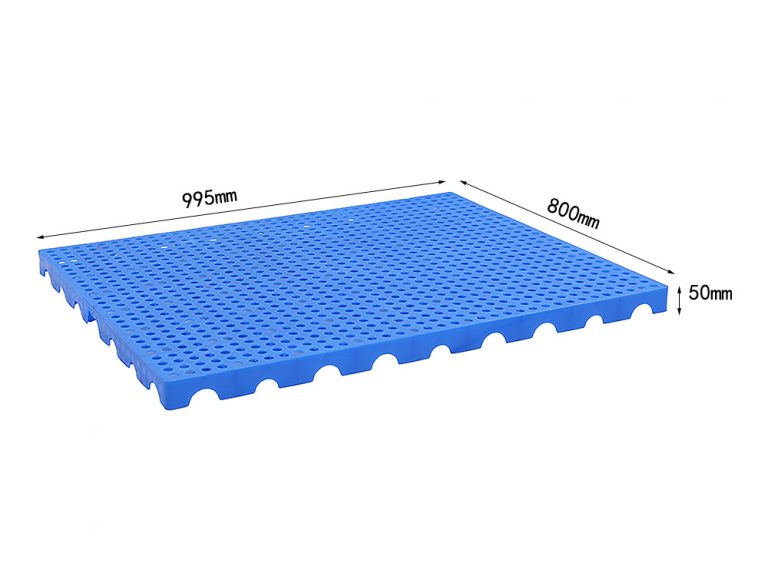
distribution, nests when empty to cut return volume. - Rackable plastic pallets — ISPM 15 exempt, for export
consolidation and warehouse racking. - Single-sided pallets — four-way entry general purpose
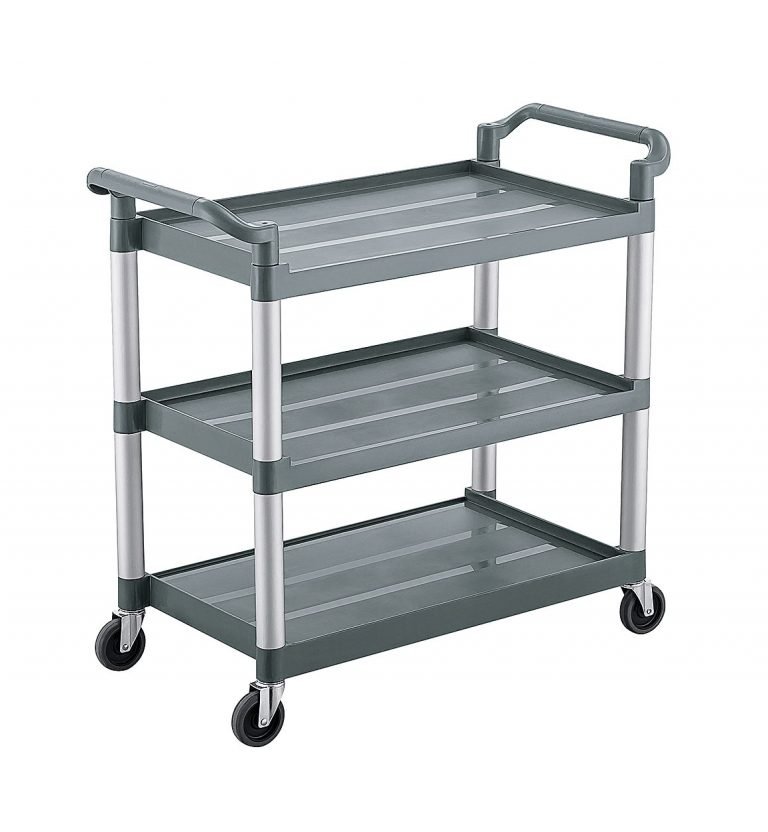
handling. - Stainless steel service carts — hotel, restaurant and
catering service.
Pricing, samples and lead time
- Quotation basis. FOB, with 40HQ loading quantities stated per SKU so you can
calculate landed cost per unit. - Samples are charged at cost price. They are not free. Their purpose is to let
you check wall thickness, wheel quality and UV specification before committing to a container. - Lead time for repeat SKUs is typically 15 to 25 days after deposit, confirmed in
writing on each proforma invoice. - Currency. Quotations are issued in USD. If you are building a GHS budget, fix
your exchange assumption at quotation stage rather than at shipment — the rate moves.
Related market guides
West African buyers usually source alongside neighbouring markets. See our
Kenya
importer guide and the
South Africa
importer guide for regional specification comparisons.
Request a quote
Send the size, quantity and destination port and we will return FOB pricing with 40HQ loading
quantities, the UV and resin specification, and confirmed lead time. WhatsApp +86 19311059570 or
email fstyx01@lsyplastic.com.
Frequently Asked Questions (FAQ)
Q1: What does a 240L waste bin actually cost?
A: It depends on three things that most quotations hide: resin quality and recycled content, wall thickness (bin weight in kilograms is the fastest way to compare two quotes that look identical on paper), and whether UV stabiliser is included. A bin moulded from virgin UV-stabilised HDPE and one moulded from ungraded regrind look similar in a photograph and behave completely differently outdoors. Ask for the weight in kg and the recycled content, then compare. Factory-direct FCL pricing is a different structure from a single-unit retail listing.
Q2: Why does UV stabilisation matter so much in Ghana?
A: Ghana sits close to the equator and receives intense year-round ultraviolet radiation. Unstabilised polypropylene embrittles quickly under it – this is the single most common cause of bins that split after one dry season. UV-stabilised masterbatch is a small line-item cost and a large difference in service life. Specify it for anything stored outdoors, along with a lighter body colour to reduce radiant heat absorption.
Q3: Should I buy 120L or 240L bins?
A: 240L is the municipal and industrial standard and matches standard kerbside-lift collection vehicles – if a truck with a comb lift collects your waste, 240L is almost certainly what the equipment is built for. 120L suits smaller premises, compounds, clinics and internal collection points where a full bin still needs to be movable by one person. Confirm the lifting comb standard before ordering.
Q4: How many bins fit in a 40HQ container?
A: It depends on whether the bins nest and whether lids are packed separately. We quote exact 40HQ loading quantities per SKU with every quotation, so you can calculate landed cost per unit rather than estimating. Ask for the number before you compare freight quotes.
Q5: What are the payment and shipment terms?
A: Overseas orders ship FCL (full container load) only – we do not run LCL or parcel shipments, which keeps handling damage low and unit freight predictable. Samples are charged at cost price, not free. Quotations are issued in USD; if you are building a GHS budget, fix your exchange assumption at quotation stage rather than at shipment, because the rate moves. Lead time for repeat SKUs is typically 15 to 25 days after deposit.