Plastic pallets have become the preferred choice for modern warehouses, logistics operations, and export shipping. They are lighter, more durable, and more hygienic than wooden pallets, with a lifespan of 5-10 years compared to wood’s 2-3 years.
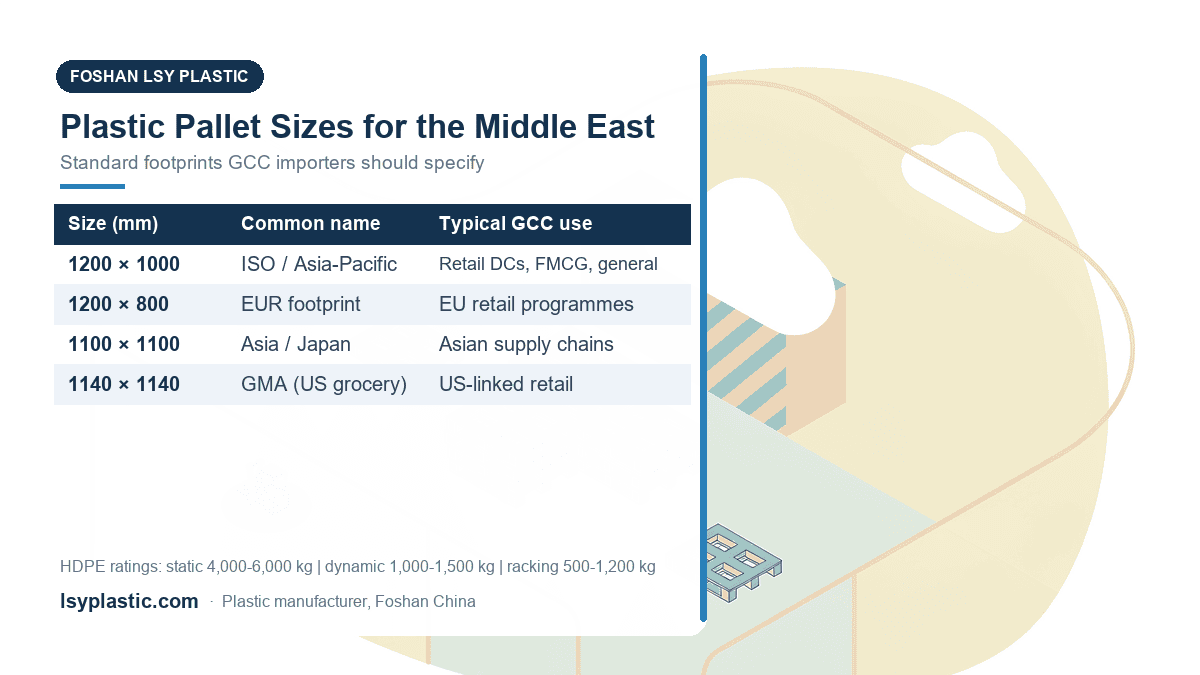
Before comparing options, it helps to review the standard plastic pallet dimensions chart so you know what is available.
But with dozens of sizes, load ratings, and designs available, choosing the right plastic pallet buyer’s guide can be overwhelming. This guide walks you through every decision factor to help you make the best choice for your operation.
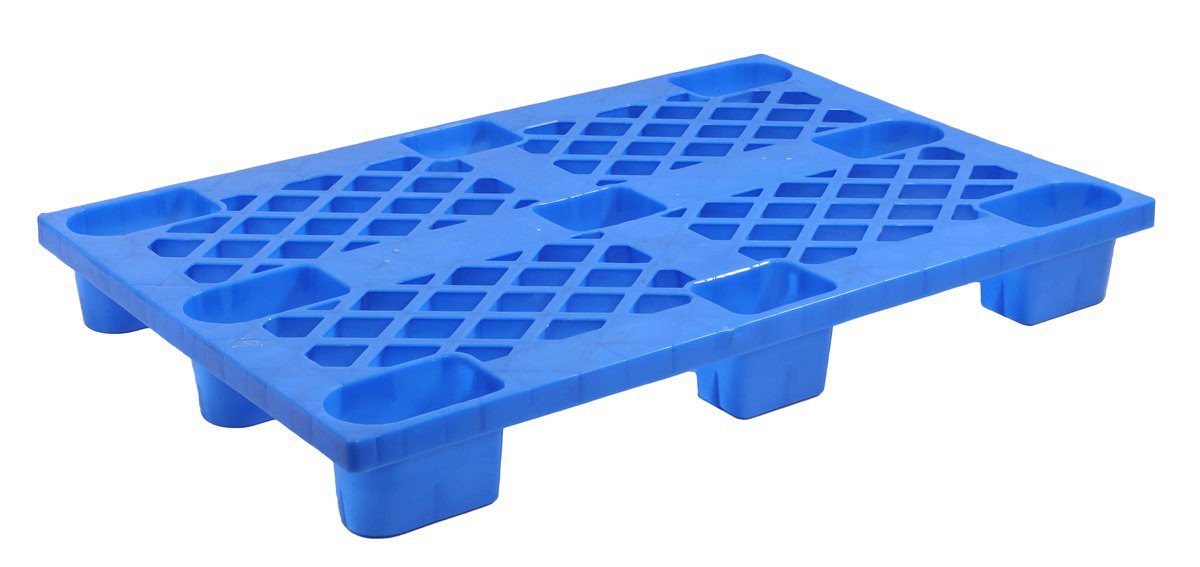
1. Understand Load Capacity Ratings
Plastic pallets are rated by three different load capacities. Understanding these is critical to safety and performance:
| Load Type | Definition | Typical Range |
|---|---|---|
| Dynamic Load | Weight when lifted by forklift (in motion) | 500 – 1,500 kg |
| Static Load | Weight when stacked on floor (stationary) | 2,000 – 6,000 kg |
| Racking Load | Weight when placed on rack beams (supported edges only) | 500 – 1,000 kg |
Pro tip: Always choose a pallet with a dynamic load rating at least 20% higher than your heaviest typical load to account for uneven weight distribution.
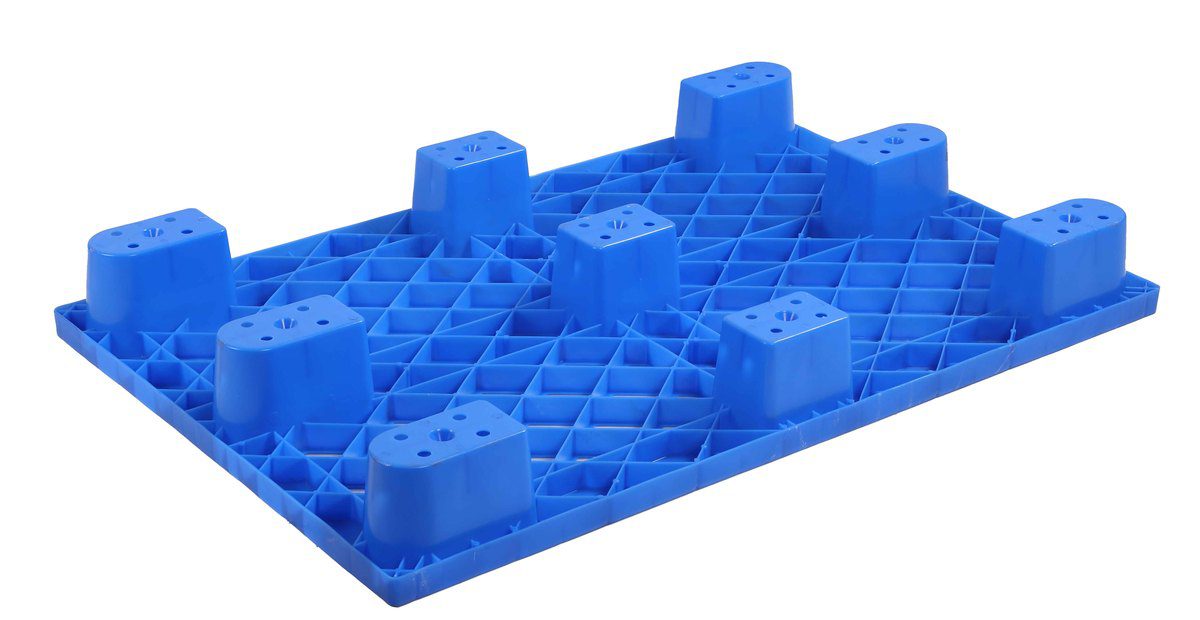
2. Choose the Right Pallet Type
Rackable Pallets
Designed with reinforced bottom supports that allow them to be placed on warehouse rack beams. These pallets have thicker bases and higher load ratings. Essential for high-bay warehouses with pallet racking systems.
Stackable Pallets
Feature solid bottom supports that allow stacking when empty. Ideal for floor storage and transport. These are the most common type and offer the best value for general warehousing.
Nestable Pallets
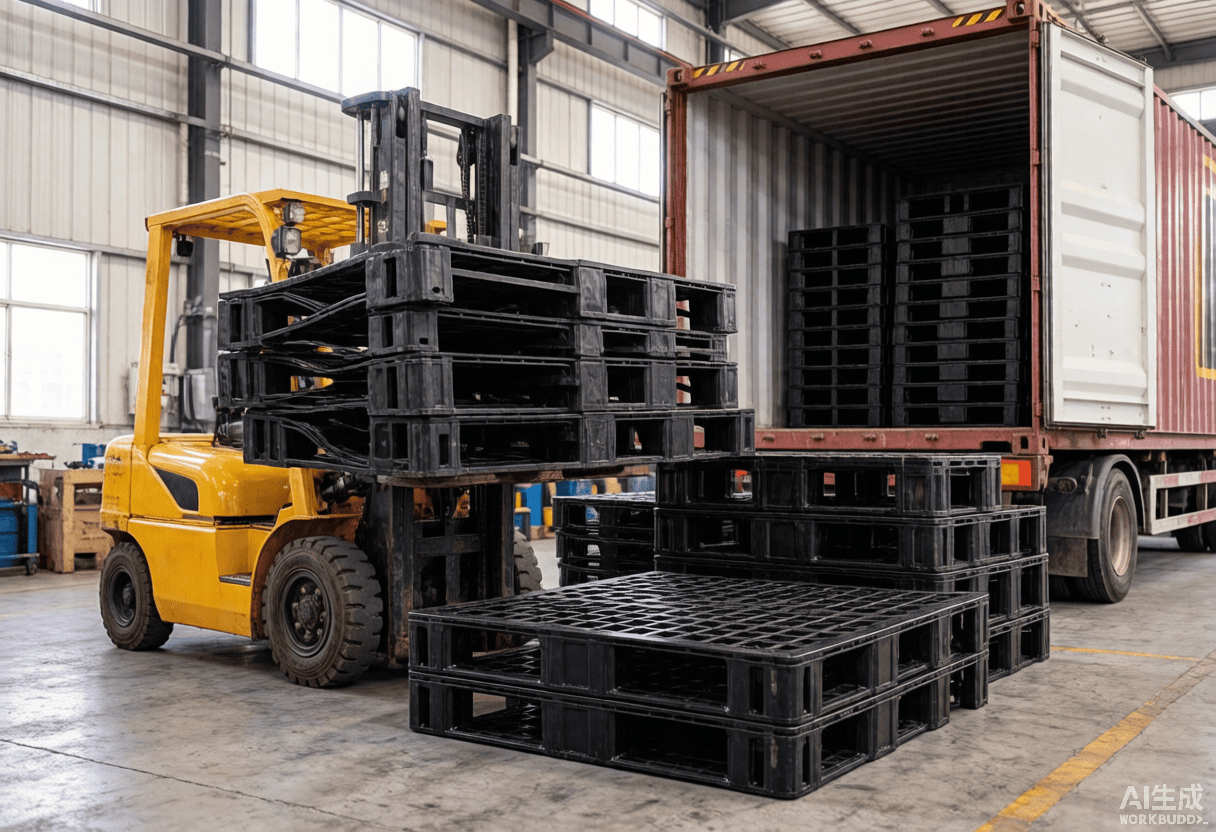
Designed with concave legs that fit into each other when empty, saving up to 75% storage space. Perfect for return logistics and one-way shipping where empty pallet return is a concern.
3. Standard Pallet Sizes
Choosing the right pallet size depends on your geographic market and the type of goods you handle:
| Region | Standard Size | Common Use |
|---|---|---|
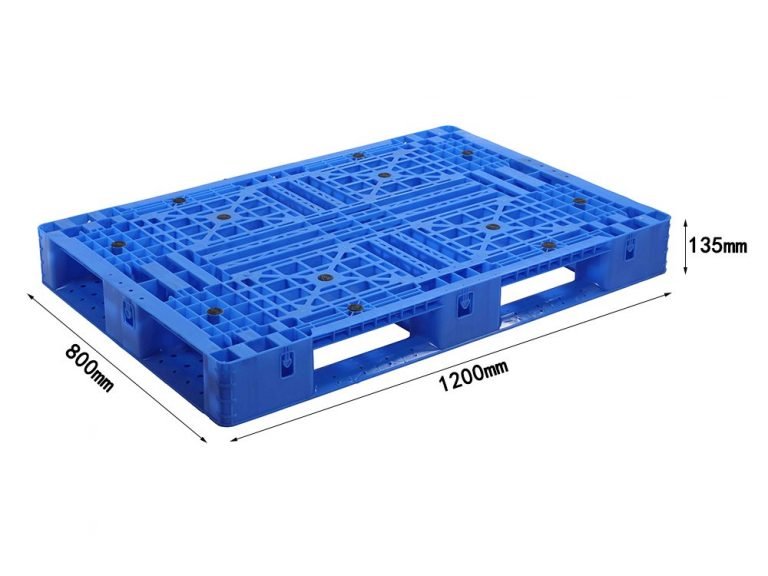
| Europe | 1200 x 800 mm (EUR/EPAL) | Retail, FMCG, pharmaceuticals |
| North America | 1219 x 1016 mm (48×40 in) | Big-box retail, food & beverage |
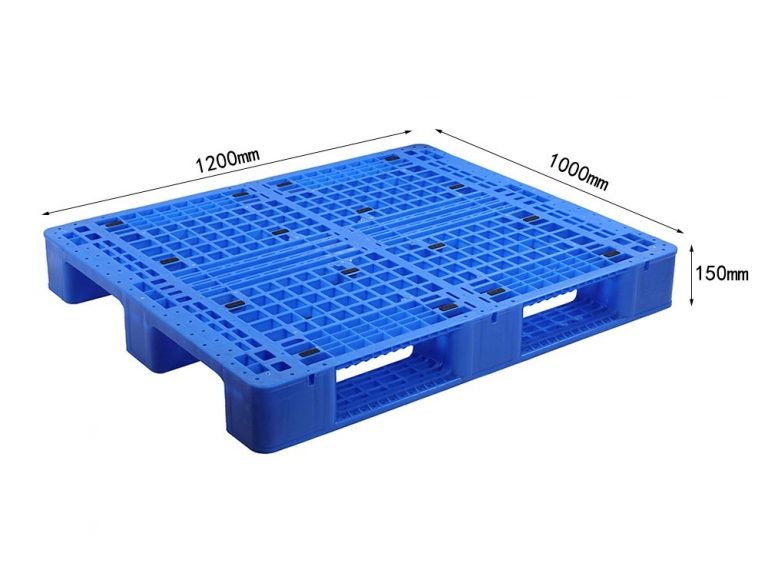
| Asia/China | 1200 x 1000 mm | Manufacturing, export, logistics |
| Japan/Korea | 1100 x 1100 mm | Electronics, automotive |
4. Material and Construction
Most plastic pallets are made from one of two materials:
HDPE (High-Density Polyethylene)
- Most common material for plastic pallets
- Excellent chemical resistance
- Performs well in cold storage (-20C and below)
- Lightweight and cost-effective
- Available in various sizes and load ratings
PP (Polypropylene)
- Higher temperature resistance (up to 100C+)
- Better impact resistance at room temperature
- Higher cost than HDPE
- Best for high-temperature environments
5. Plastic Pallets vs Wooden Pallets: Cost Analysis
| Factor | Plastic Pallets | Wooden Pallets |
|---|---|---|
| Initial Cost | $25 – $80 | $8 – $25 |
| Lifespan | 5-10 years | 2-3 years |
| Cost per Year | $3 – $8 | $3 – $8 |
| ISPM-15 Treatment | Not required (plastic) | Required for export |
| Hygiene | Excellent (washable) | Poor (absorbs moisture) |
| Moisture | 100% waterproof | Warps and rots |
While plastic pallets cost more upfront, the lower maintenance cost, longer lifespan, and elimination of ISPM-15 treatment fees for export make them more economical over a 5-year period.
6. Special Features to Consider
- Anti-slip surface: Rubber inserts on top deck prevent load shifting
- Fire retardant: Additive for environments with fire safety requirements
- RFID embedded: Pre-installed RFID tags for inventory tracking
- ESD/Conductive: For electronics manufacturing environments
- Reinforced edges: Steel reinforcement bars for heavy-duty racking
Conclusion
Choosing the right plastic pallet comes down to understanding your load requirements, storage system, and operational environment. For most applications, a standard 1200x1000mm HDPE pallet with 1000kg dynamic load rating provides the best balance of cost and performance.
At LSY Plastic, we manufacture plastic pallets in standard and custom sizes, with options for racking, nesting, and ESD applications. Our pallets are trusted by BYD, VIVO, and OPPO in their supply chain operations.
Quick Reference: Pallet Type by Industry
Most buying decisions collapse to industry defaults. Start from this table, then adjust for your load and racking reality:
| Industry | Recommended type | Material | Key reason |
|---|---|---|---|
| Food & beverage | Stackable | HDPE | Washable and hygienic, performs in cold storage to −20°C and below |
| Pharmaceutical | Rackable | HDPE | Clean handling plus a rack rating for high-bay warehouses |
| Electronics / PCB | ESD or conductive | Carbon-loaded PP/HDPE | Static control inside EPA areas |
| Export shipping (no return) | Nestable one-way | HDPE | Up to 75% empty-storage saving, ISPM-15 exempt |
| Automotive / heavy parts | Rackable, reinforced edges | HDPE + steel bars | Higher dynamic and rack loads |
| Retail / FMCG (Europe) | Stackable 1200×800 | HDPE | EUR footprint matches retail supply chains |
Whatever the row, the safety rule is constant: dynamic load rating at least 20% above your heaviest typical load, and light pallets never enter racking without a rack rating.
Need help choosing the right pallet? Contact our team for expert advice, or message us on WhatsApp for a quick response. For more guides on this topic, check our Warehouse & Logistics Plastic Products Complete Guide. For more guides on this topic, check our Plastic Pallets Complete Guide.
Frequently Asked Questions
How do I understand pallet load capacity ratings?
Check static (on the floor), dynamic (being moved) and racked (spanning beams) figures, and spec against the relevant one for your real load with margin. The racked figure is always the lowest.
Which plastic pallet type should I choose?
Match the deck and style to use: grid or open-deck for airflow and drainage, closed-deck for hygiene and small loads, three-runner for racking, and nestable for one-way export. Standard footprints like ISO 1200x1000mm and EUR 1200x800mm cover most needs.
Is plastic or wood more cost-effective?
Plastic lasts far longer and is ISPM-15 exempt, so despite a higher unit price it usually wins on total cost over five years. Wood suits one-way low-value loads.
What special features should I consider?
Deck type, rim, RFID or tag recesses, ESD rating and colour coding, depending on your operation. LSY moulds pallets in HDPE and PP; no MOQ for domestic orders, overseas orders ship FCL.
Related guides:
Plastic Pallet Standards & Sizes Guide for Middle East Buyers