Quick answer for procurement teams
Pallet weight changes with footprint, material, wall structure and load rating. For an accurate shipping plan, send your target pallet size, static/dynamic/racking load, quantity and destination port. We can recommend the suitable HDPE, PP, food-grade or ESD pallet for full-container export.
Every model discussed below appears in our full plastic pallet dimensions chart, organised by ISO footprint.
WhatsApp for Exact Pallet Advice Request a Factory Quote
How much does one plastic pallet weigh?
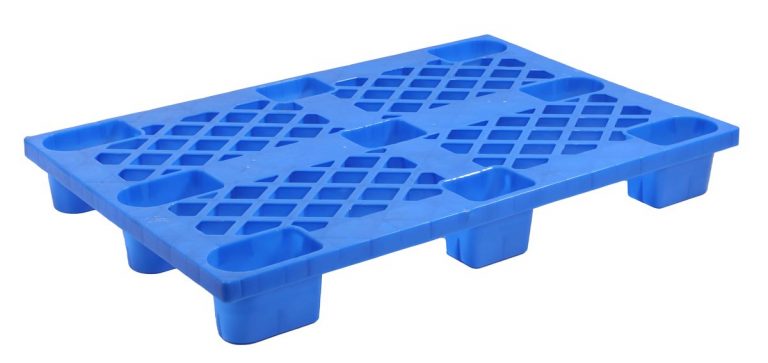
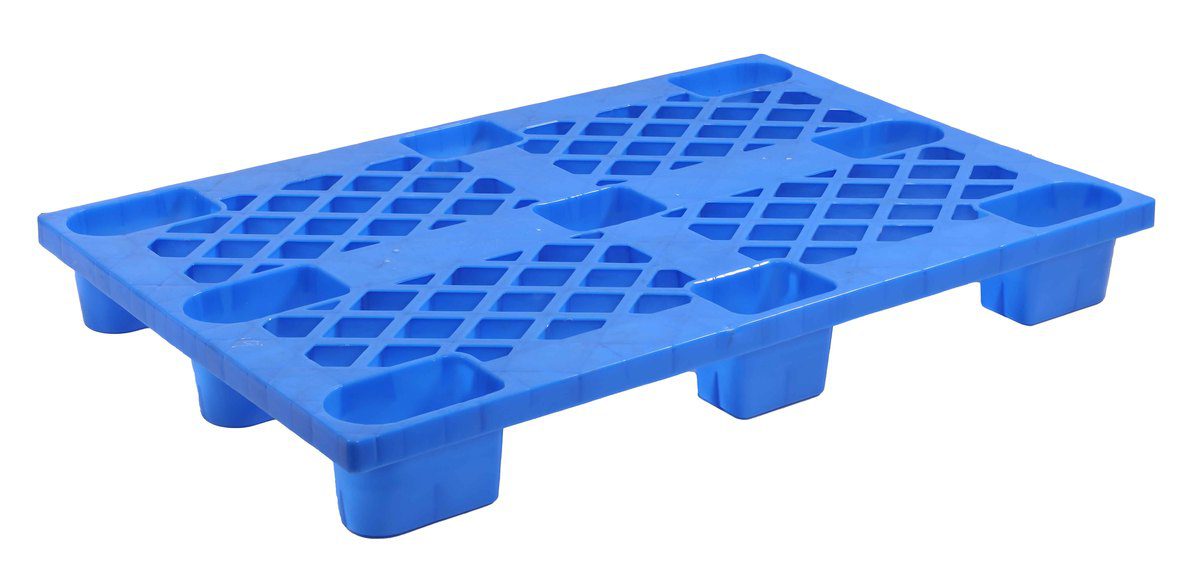
A plastic pallet commonly weighs from about 7 kg to 35 kg+, depending on size, material, deck design and required load rating. For freight planning, always use the confirmed unit weight from the supplier rather than an estimated category weight.
| Typical application | Indicative pallet weight | What changes it |
|---|---|---|
| Light export pallet | 7–12 kg | Nestable design / lighter deck |
| Standard warehouse pallet | 14–22 kg | 1200×1000 or 1200×800 design |
| Heavy-duty / rackable pallet | 22–35 kg+ | Reinforcement / racking load |
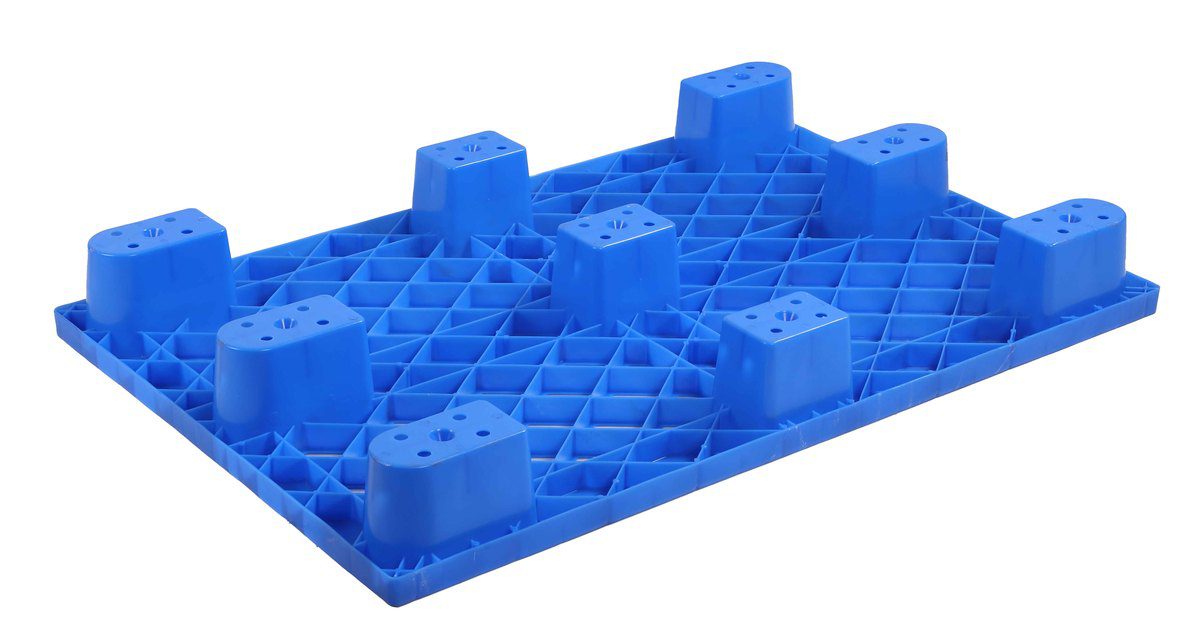
A standard plastic pallet weighs between 15 kg and 25 kg (33-55 lbs), depending on the size, material, and load rating. Lightweight nestable pallets can weigh as little as 12 kg (26 lbs), while heavy-duty rackable pallets may reach 30 kg (66 lbs). Compared to wood pallets that average 20-25 kg, plastic pallets offer comparable or lighter weight with significantly longer service life.
For logistics managers and warehouse operators, knowing the exact weight of your pallets is critical for calculating shipping costs, planning truck loads, and ensuring worker safety. This guide breaks down plastic pallet weights by type, explains the factors that influence weight, and helps you choose the right pallet for your application.
Average Plastic Pallet Weights by Type
Plastic pallet weights vary based on design, size, and load capacity. Below is a reference table covering the most common types used in warehousing, food distribution, and export logistics.
| Pallet Type | Typical Size | Weight (kg) | Weight (lbs) | Dynamic Load (kg) |
|---|---|---|---|---|
| Lightweight Nestable | 1200x800mm | 12-15 | 26-33 | 500-1000 |
| Standard Export | 1200x1000mm | 15-18 | 33-40 | 1000-1500 |
| Medium-Duty Stackable | 1200x1000mm | 18-22 | 40-49 | 1000-1500 |
| Heavy-Duty Rackable | 1200x1000mm | 22-30 | 49-66 | 1500-2000 |
| American Standard (48×40) | 1219x1016mm | 16-25 | 35-55 | 1000-2000 |
Why Plastic Pallet Weight Matters
Shipping Cost Impact
Every kilogram counts in air freight and international shipping. A truck carrying 33 pallets at 20 kg each adds 660 kg of pallet weight to the load. By switching to lightweight nestable pallets at 14 kg, you save 198 kg per truckload – enough to add extra product or reduce freight costs. For air cargo, where rates are calculated by actual or volumetric weight, lighter pallets can reduce per-shipment costs by 3-8%.
Manual Handling and Worker Safety
OSHA guidelines recommend that workers should not lift more than 23 kg (51 lbs) repeatedly without mechanical assistance. Pallets weighing over 20 kg increase the risk of musculoskeletal injuries during manual repositioning. Choosing pallets under 18 kg significantly reduces injury risk while maintaining adequate load capacity for most applications.
Fuel and Transportation Efficiency
Lighter pallets translate to better fuel economy for trucking fleets. A fleet running 100 trucks daily, each saving 200 kg in pallet weight, reduces total daily payload by 20 tons. Over a year, this translates to measurable fuel savings and reduced carbon emissions, supporting corporate sustainability goals.
Factors That Affect Plastic Pallet Weight
Material: HDPE vs Polypropylene
The two primary materials used in plastic pallet manufacturing are HDPE (High-Density Polyethylene) and PP (Polypropylene). HDPE is the more common choice, offering excellent impact resistance, chemical resistance, and food-grade compliance. PP pallets are typically 5-10% lighter than comparable HDPE pallets but may be more brittle in cold environments.
For most warehousing and food distribution applications, HDPE provides the best balance of weight, durability, and cost. Learn more about material differences in our HDPE vs PP pallet comparison guide.
Size and Dimensions
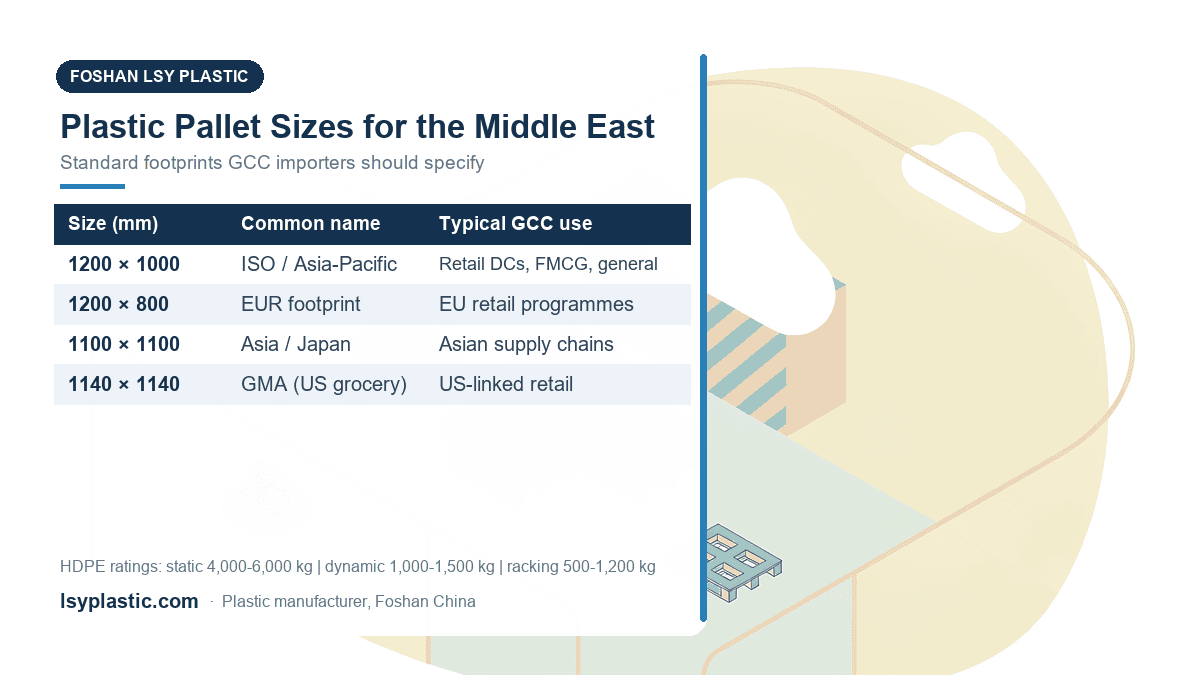
Naturally, larger pallets weigh more. The three most common pallet sizes are:
- Euro pallet (1200x800mm): Typically 14-20 kg
- Standard pallet (1200x1000mm): Typically 15-25 kg
- American pallet (48×40 inches / 1219x1016mm): Typically 16-25 kg
Reinforcement and Design Features
Design features that add weight include steel reinforcement bars (adding 2-5 kg), reinforced perimeter lips, anti-slip rubber mats, and thicker wall sections for rackable pallets. While these features increase pallet weight, they also improve racking performance and load security.
Plastic Pallet Weight vs Wood Pallet Weight
One of the most common questions from logistics managers is whether plastic pallets are heavier than wood pallets. The answer depends on the type:
| Feature | Plastic Pallet | Wood Pallet |
|---|---|---|
| Average Weight | 15-25 kg | 20-25 kg |
| Weight Consistency | Consistent (molded to exact spec) | Variable (depends on moisture and wood density) |
| Moisture Absorption | Zero (does not absorb water) | Up to 15-20% weight gain when wet |
| Lifespan | 5-10+ years | 1-3 years |
| Weight After Cleaning | Same as dry | Can gain 2-4 kg when wet |
A critical advantage: wood pallets absorb moisture and can gain 2-4 kg when wet, while plastic pallets maintain their exact weight regardless of humidity or washing. This consistency is essential for precise load planning and automated warehouse systems.
How to Choose the Right Pallet Weight
Here are practical guidelines for selecting pallets based on weight considerations:
For Air Freight and Export
Choose lightweight nestable pallets (12-15 kg). The weight savings compound across multiple shipments and can significantly reduce freight costs. Ensure the pallet still meets your dynamic load requirement.
For Warehouse Racking
Choose heavy-duty rackable pallets (22-30 kg). The extra weight provides structural rigidity needed for safe rack storage. Do not compromise on weight here – a failed rack pallet can cause serious injury and product loss.
For Food Distribution
Choose medium-duty stackable pallets (18-22 kg) in HDPE. These offer adequate load capacity for typical food loads (1000-1500 kg) while remaining manageable for workers. For more on choosing pallets, see our complete warehouse pallet buying guide.
For Reusable Pool Systems
Weight matters less than durability. Choose pallets optimized for longevity (20-25 kg). The extended lifespan of 5-10 years versus wood’s 1-3 years provides far better cost-per-trip value despite higher initial weight.
Conclusion
Plastic pallet weight ranges from 12 kg for lightweight nestable models to 30 kg for heavy-duty rackable pallets, with most standard pallets falling between 15 and 25 kg. The right weight depends on your application: lighter pallets for air freight and export, heavier pallets for racking and heavy loads. Unlike wood pallets, plastic pallets maintain consistent weight regardless of moisture, making them ideal for precise load planning and food-grade applications.
At LSY Plastic, we manufacture HDPE plastic pallets across the full weight range, from 12 kg export pallets to 30 kg rackable pallets. With 35+ years of injection molding experience and 200+ product models, we provide pallets tailored to your logistics requirements. Contact us on WhatsApp at +86 19311059570 or email fstyx01@lsyplastic.com to discuss your pallet needs.
For more resources, visit our Plastic Pallets Hub, or read about pallet lifespan and cost per trip and load capacity ratings.
Plan freight with the exact pallet specification
Send your pallet size, material preference, dynamic/static/racking load and quantity. LSY Plastic can provide confirmed unit weight, packing quantity, MOQ and shipment calculation support.
Ready to compare options? Browse our Plastic Pallets range for plastic pallets.
Frequently Asked Questions
How much does a plastic pallet weigh?
It varies with footprint, material, wall structure and load rating. Lightweight one-way export pallets run about 8kg to 15kg, while heavy-duty rackable pallets are much heavier. For an accurate freight plan, send us the size, static and dynamic loads, quantity and destination port.
Why does pallet weight matter for shipping?
Every kilogram of pallet counts against your container payload and freight cost. Lighter pallets let you load more product per container, but a pallet that is too light for the load risks breakage. Match weight to the dynamic load you actually move.
Is a plastic pallet heavier than a wood pallet?
A comparable plastic pallet is usually heavier than a wood pallet (wood is about 15kg to 25kg), but plastic is consistent in weight and thickness, is ISPM-15 exempt and lasts far longer, which usually offsets the extra kilos over its life.
Which plastic pallet is best for export?
For one-way export, lightweight nestable or single-trip pallets (about 8kg to 15kg) cut freight weight and stack tight when empty; for reusable loops choose a heavier rackable HDPE design. LSY can recommend a suitable HDPE, PP, food-grade or ESD pallet for full-container export.