A buyer importing plastic crates into India will be asked for an HSN code on the first shipment and on every shipment after it. The code decides the duty rate on the bill of entry, and it is the same code that appears on the GST invoice the buyer issues when he sells onward. Filing under the wrong line is not a paperwork slip — it changes the money.
Where plastic crates are classified
Chapter 39 covers plastics and articles of plastics. Heading 3923 covers articles for the conveyance or packing of goods, of plastics, and within it the line for boxes, cases, crates and similar articles is the one plastic crates and turnover boxes fall to.
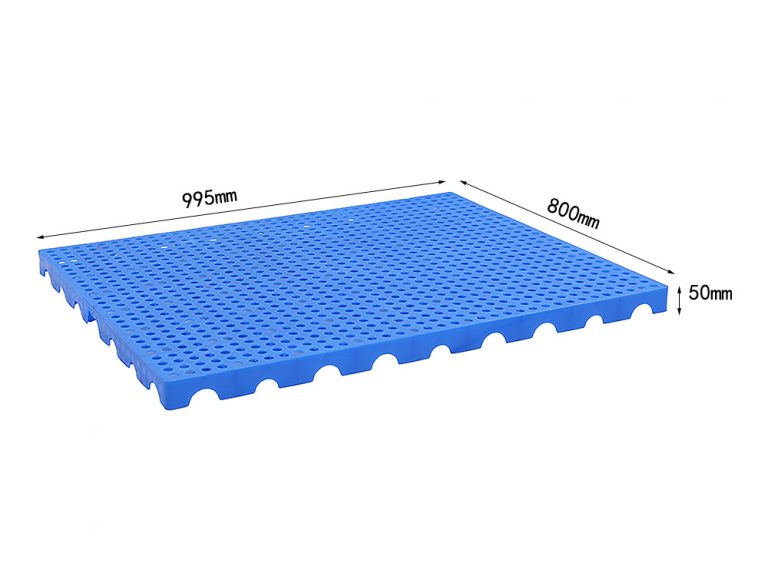
The mistake buyers make is reasoning by function. A wooden crate and a plastic crate do the same job, but they are filed in different chapters entirely — wood packing sits under 4415, alongside wooden pallets, and carries ISPM-15 treatment obligations that the plastic product does not.
Line-by-line for common products
| Product | Heading | Commonly filed line | Why |
|---|---|---|---|
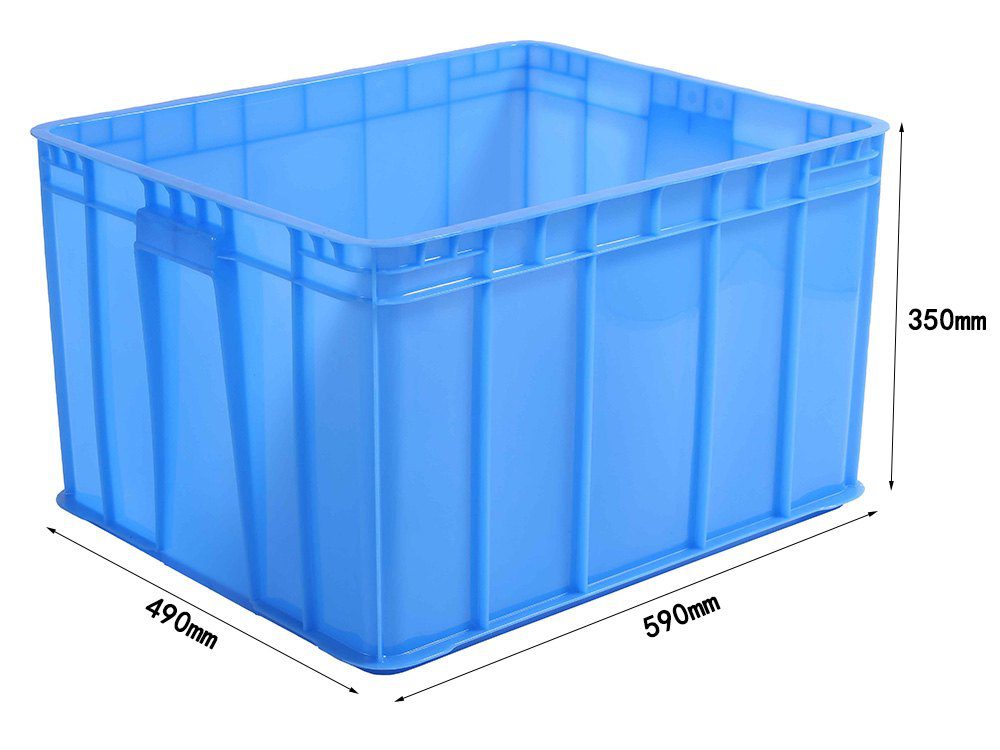
| Stackable / nestable plastic crates | 3923 | 3923 10 00 | Boxes, cases, crates and similar articles for conveyance or packing |
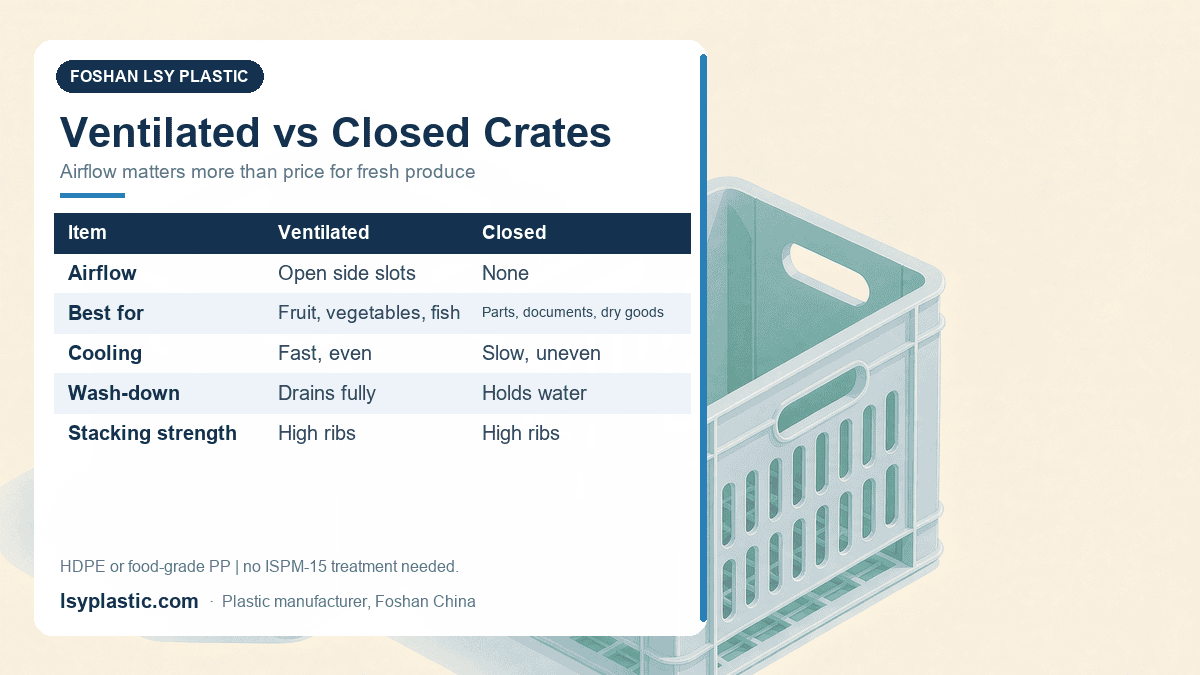
| Ventilated produce crates | 3923 | 3923 10 00 | Ventilation holes do not change the classification |
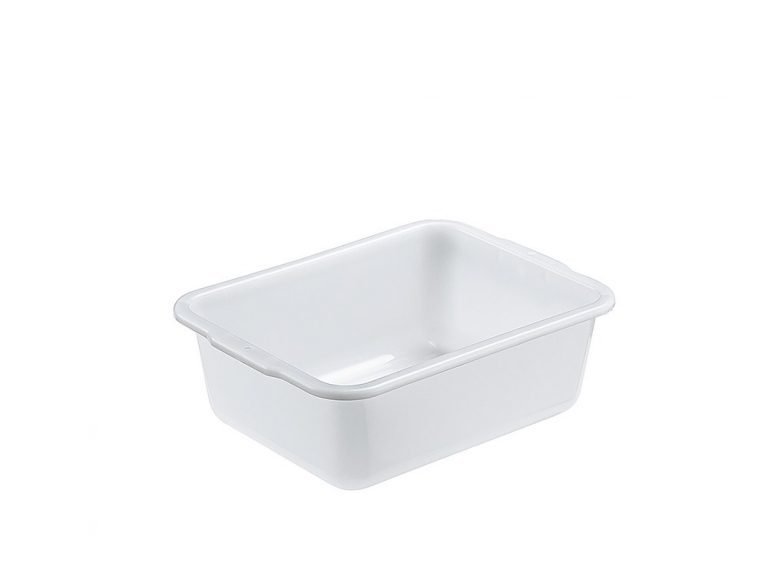
| Bus boxes, tubs and collection basins | 3923 | 3923 90 90 | Open containers for handling, filed in the residual “other” group |
| Attached-lid containers | 3923 | 3923 10 00 | The lid is part of the crate, not a separate article |
| ESD / anti-static boxes and trays | 3923 | 3923 90 90 | The conductive additive does not move it out of Chapter 39 |
| Wooden crates (for comparison) | 4415 | 4415 20 00 | Subject to ISPM-15 treatment and marking |
The honest caveat: the first four digits are harmonised internationally and are stable. The digits after that are national and they do get revised. Treat the table above as the filing position to argue from, not as a substitute for your broker pulling the current tariff on the day you file. For large repeat volumes an advance ruling converts an arguable position into a binding one.
Three documents that make the filing defensible
- Material declaration from the factory. States the resin — HDPE or PP — and confirms no wood content. This is what supports a Chapter 39 position if the assessment is ever questioned.
- Packing list that matches the invoice description. Assessments are raised on descriptions. “Plastic crates” and “plastic storage containers” can be read as different goods; make the two documents say the same thing.
- Previous shipping bill references, if you have them. A code that cleared repeatedly at the same port is the strongest practical evidence that the line is accepted there.
What the classification means commercially
Crates under this heading attract the standard slab rather than a concessional one in most GST schedules. Confirm the current rate — rates move with budget cycles, and a rate assumed from a two-year-old invoice is how short-payment notices begin.
The bigger commercial point is the wood comparison. A buyer specifying wooden crates on unit price alone is also buying fumigation certificates, marking compliance and the risk of a container held at port for re-treatment. Plastic crates are outside ISPM-15 altogether. On a repeat-import programme that difference is an annual recurring cost, not a one-off saving.
FOSHAN LSY Plastic has moulded crates, turnover boxes and ventilated produce crates in Foshan since the 1990s, and ships export orders as full container loads. Samples are charged at cost, not given away — a moulded sample costs the same machine time and material as a production unit. Domestic Chinese orders carry no minimum.
For the stacking, nesting and sizing logic behind crate selection, see our industrial plastic crate buying guide.
FAQ
What is the HSN code for a plastic crate?
Plastic crates fall under heading 3923, the heading for articles for the conveyance or packing of goods, of plastics — commonly filed under the line for boxes, cases and crates. The eight-digit code is national, so have your broker confirm it against the current tariff.
Is a bus box classified the same as a crate?
Both are under 3923, but an open bus box or collection basin is usually filed in the residual “other” line rather than the crate line, because it is not a closed crate. When a container mixes both, declare them separately rather than lumping them into one description.
Does a ventilated produce crate get a different code?
No. Ventilation holes are a design feature for airflow, not a different article. It remains a crate of plastics for conveyance or packing.
Related guide: plastic pallet HSN code.
Do I still need fumigation for plastic crates?
No. ISPM-15 applies to wood packing material. An injection-moulded HDPE or PP crate carries no wood-borne pest risk and is exempt, which removes both the treatment cost and the marking compliance risk.
Related: MOQ, samples and FCL shipping policy — how we supply overseas buyers, including container loading volumes.