An importer clearing a container of plastic pallets at Nhava Sheva or Jebel Ali is asked for an HSN code before anything else. Get it wrong and the bill of entry carries the wrong duty rate — which means either an overpayment that is painful to refund, or a short payment that comes back months later as a show-cause notice. The classification itself is not complicated once you know where plastics sit in the system.
Where plastic pallets sit in the HSN system
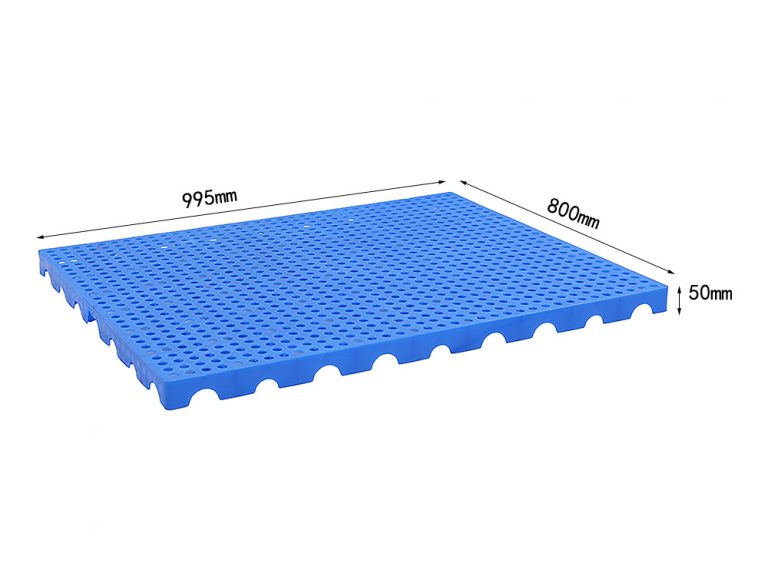
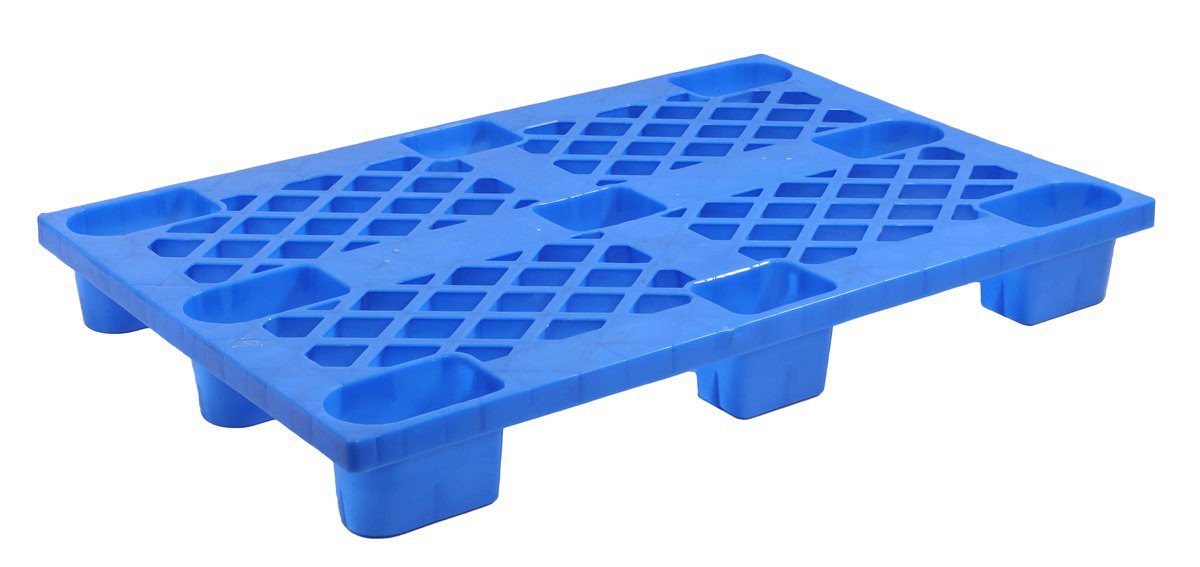
HSN Chapter 39 covers plastics and articles of plastics. Inside it, heading 3923 covers articles for the conveyance or packing of goods, of plastics. A plastic pallet is precisely that — an article used to convey goods — so plastic pallets are filed under 3923.
The comparison that trips buyers up is the wooden pallet. Wooden pallets sit in a completely different chapter: 4415, covering packing cases, boxes, crates, drums and similar packings, and pallets, box pallets and other load boards of wood. Two products doing the same job, filed under two chapters, attracting different duty treatment and very different documentary requirements.
Classification by product type
| Product | Heading | Commonly filed sub-heading | Note |
|---|---|---|---|
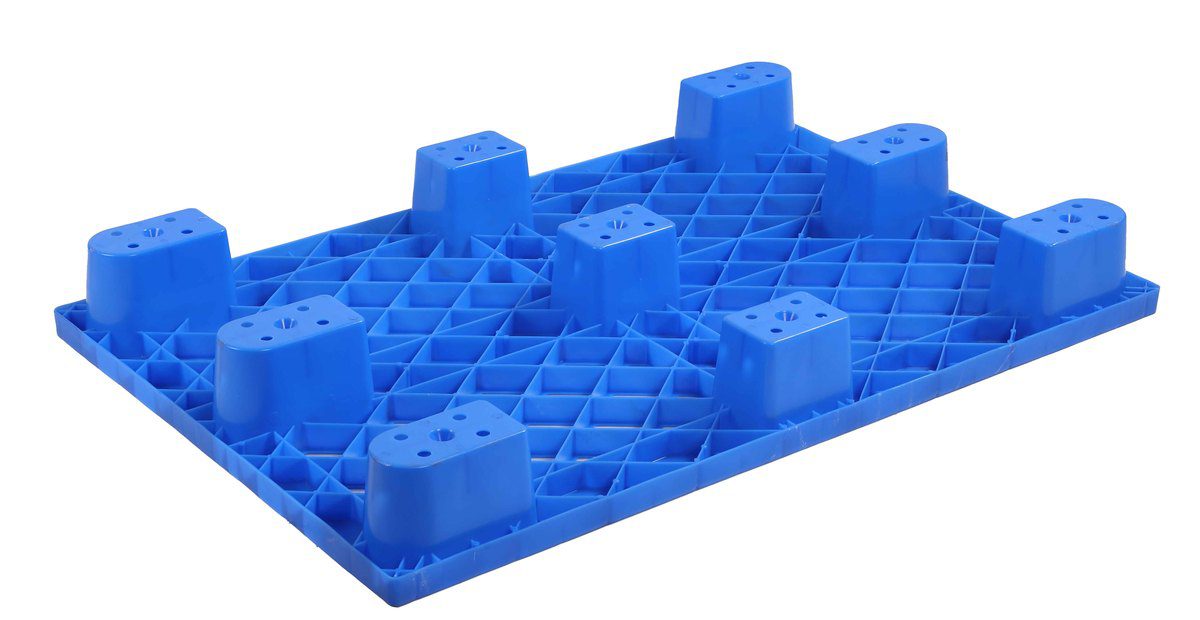
| Plastic pallets (HDPE / PP) | 3923 | 3923 90 90 | Pallets are not boxes or crates; they fall in the residual “other” group |
| Plastic crates and turnover boxes | 3923 | 3923 10 00 | Boxes, cases, crates and similar articles for conveyance or packing |
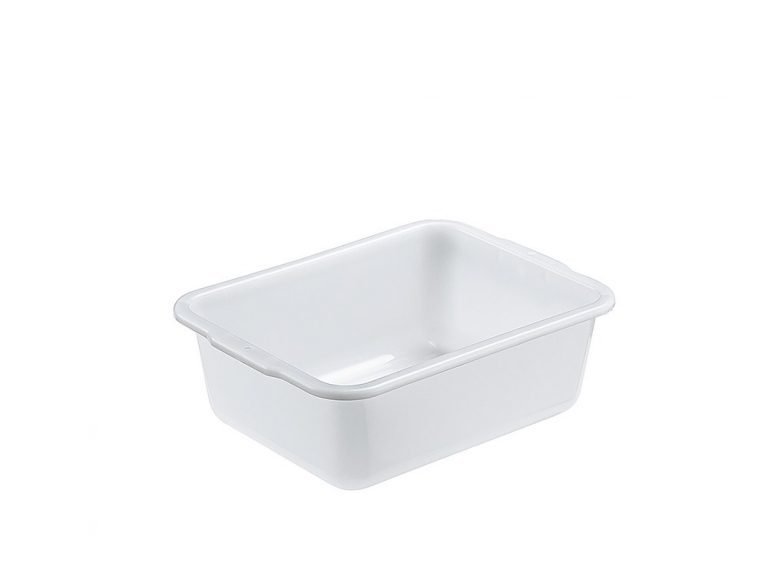
| Plastic bins, tubs and bus boxes | 3923 | 3923 90 90 | Filed by material and use, not by capacity |
| ESD trays and anti-static boxes | 3923 | 3923 90 90 | The anti-static additive does not change the classification |
| Plastic pallet sleeves and collars | 3923 | 3923 90 90 | Classified with the pallet system, not as a separate packing |
| Wooden pallets (for comparison) | 4415 | 4415 20 00 | Subject to ISPM-15 heat treatment or fumigation |
One caveat that matters commercially: the eight-digit code is where brokers differ, and the final digits are national, not international. The table above reflects common filing practice for plastic articles. Before you sign a long-term supply contract, have your broker confirm the eight-digit code against the current tariff and, for large repeat volumes, consider an advance ruling so the position is binding rather than arguable.
Why the plastic-versus-wood distinction is worth real money
The code is not the only difference. Wooden pallets entering most markets must comply with ISPM-15: heat treated or fumigated, and stamped with the IPPC mark. A container arriving with unmarked or badly marked wood can be held, re-treated at the importer’s cost, or in the worst case re-exported. Plastic pallets are exempt from ISPM-15 entirely, because there is no wood-borne pest risk in an injection-moulded HDPE or PP unit.
For a buyer running regular containerised freight, that exemption removes a recurring administrative risk and a recurring line item. It is also the point most worth raising with a customer who is still specifying wood on price alone.
How to confirm your code before you ship
Four checks, in order of how much they cost:
- Ask the supplier for the material declaration. A plastic pallet should come with a statement that it is HDPE or PP and contains no wood. This is the document that supports the 3923 filing.
- Have your broker pull the current tariff line. Eight-digit codes are revised; a code that was correct two years ago may have been split or renumbered.
- Check the GST/HSN search tool on the official portal for the rate attached to the code you intend to file.
- For high-volume repeat imports, seek an advance ruling. It costs time up front and removes ambiguity for every shipment afterwards.
Plastic articles under this heading generally attract the standard GST slab rather than a concessional one. Confirm the current rate with your broker — rates move with budget cycles, and guessing is how the short-payment notices start.
What this means when you source from a factory
Classification is settled by what the product is, not by who made it — but the documentation is the supplier’s job. A factory that exports regularly will have the material declarations, the packing lists and the HS codes used on previous shipments ready to hand over, because a buyer who cannot clear a container does not reorder.
FOSHAN LSY Plastic is a 35-year injection moulding manufacturer in Foshan, China, supplying plastic pallets, crates, ESD packaging, hotel service carts and housekeeping plastics to importers and distributors. Export orders ship as full container loads; samples are charged at cost rather than given away, because a moulded sample costs the same to produce as a production unit. Domestic Chinese orders carry no minimum quantity.
For the dimension and load logic behind pallet selection, see our plastic pallet sizes and standards guide.
FAQ
What is the HSN code for a plastic pallet?
Plastic pallets are classified under heading 3923, which covers articles for the conveyance or packing of goods, of plastics. Most importers file them under the residual sub-heading 3923 90 90. The final eight-digit code is national, so confirm it with your broker against the current tariff.
Is the code different for a plastic crate?
Both sit under 3923, but crates and turnover boxes are commonly filed under 3923 10 00, the line for boxes, cases and crates. Pallets go to the “other” line because a pallet is not a container. The distinction is worth getting right when a shipment mixes both.
Does an anti-static additive change the classification?
No. ESD trays and conductive boxes are still articles of plastics for conveyance or packing, so they stay under 3923. What changes is the specification you need to show the buyer — surface resistivity in the 10³–10⁹ Ω range — not the customs heading.