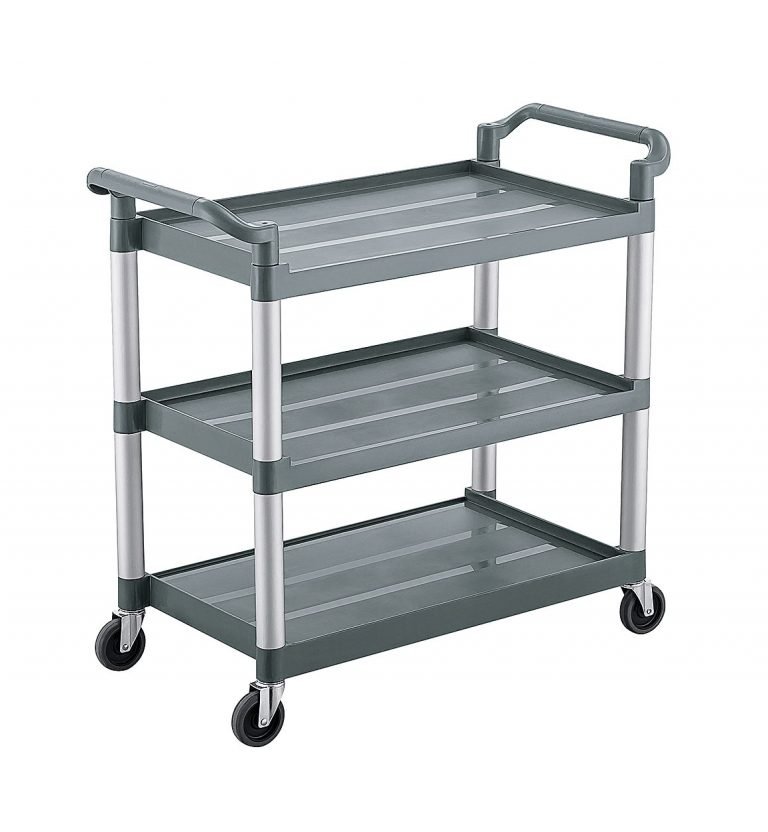
Singapore is a different kind of buying decision from most markets, and it comes down to one number: what floor space costs you. If you are searching plastic pallet supplier singapore or waste bin supplier in singapore, this page covers the two things that change the calculation here — duty and tax treatment, and the fact that storage space is the most expensive input in your operation.
Start with the tax position: it is unusually simple
Singapore is a free port. Most goods enter without customs duty, which removes a whole category of landed-cost arithmetic that applies almost everywhere else. What you do pay:
- GST at the prevailing rate on the imported value. For GST-registered businesses this is recoverable, but it is cash flow at the point of import.
- Dutiable goods are the exception, not the rule. A short list of categories carries duty. Plastics articles are generally not among them, but confirm the classification for your product with your freight forwarder rather than assuming.
The practical effect: your landed cost is dominated by freight, handling and storage rather than by duty. That shifts where you should optimise — see the next section.
Storage cost is the specification driver here
Singapore has some of the most expensive industrial and warehouse space in the world. This changes which product designs actually pay for themselves:
- Nestable and collapsible designs are worth more here than almost anywhere else. A crate that nests to a third of its assembled height frees floor space you are paying for every month, and the saving compounds. In a market with cheap warehousing the same crate is a marginal improvement; in Singapore it can be the deciding factor.
- Stack height matters in both directions. If your racking goes up, a crate or box that stacks safely high lets you use the cube you are already paying for. Confirm the loaded stack rating, not just the unit’s own strength.
- Return freight on empty crates is a smaller factor than usual. Because distances are short and the regional road and ferry network is dense, the classic collapsible-crate argument about return legs is weaker here — the storage argument is stronger.
Re-export: build for the second handling
A large share of what lands in Singapore moves on — to Malaysia, Indonesia, Thailand, Vietnam and beyond. If that is your business, specification priorities change:
- Design for two handlings, not one. Goods that are containerised, de-vanned, stored, then re-loaded onto trucks need to survive more cycles than goods that go straight to a single end user.
- Consistent footprints pay off. If your pallets or crates get mixed with a regional customer’s own fleet, a non-standard footprint creates handling problems at someone else’s dock.
- Consider who owns the asset at the end. One-way export packaging and reusable pooled packaging are different products with different economics. Be clear which one you are buying.
Product by product
Pallets
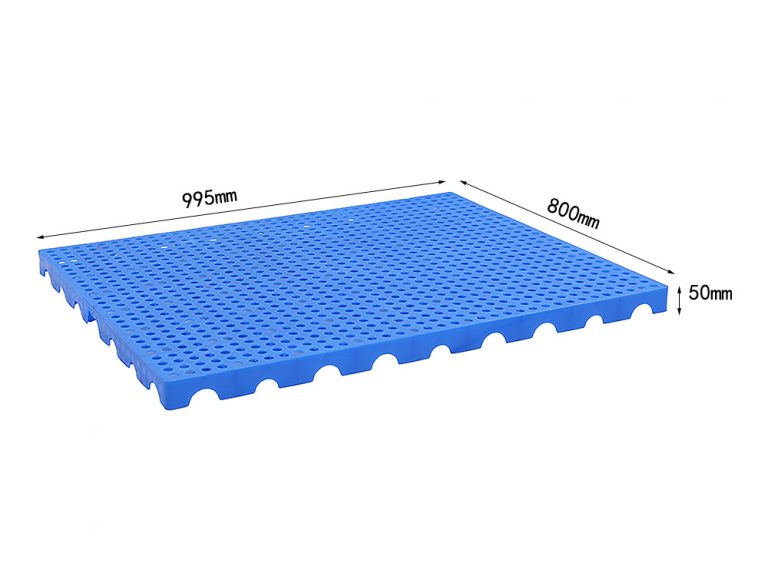
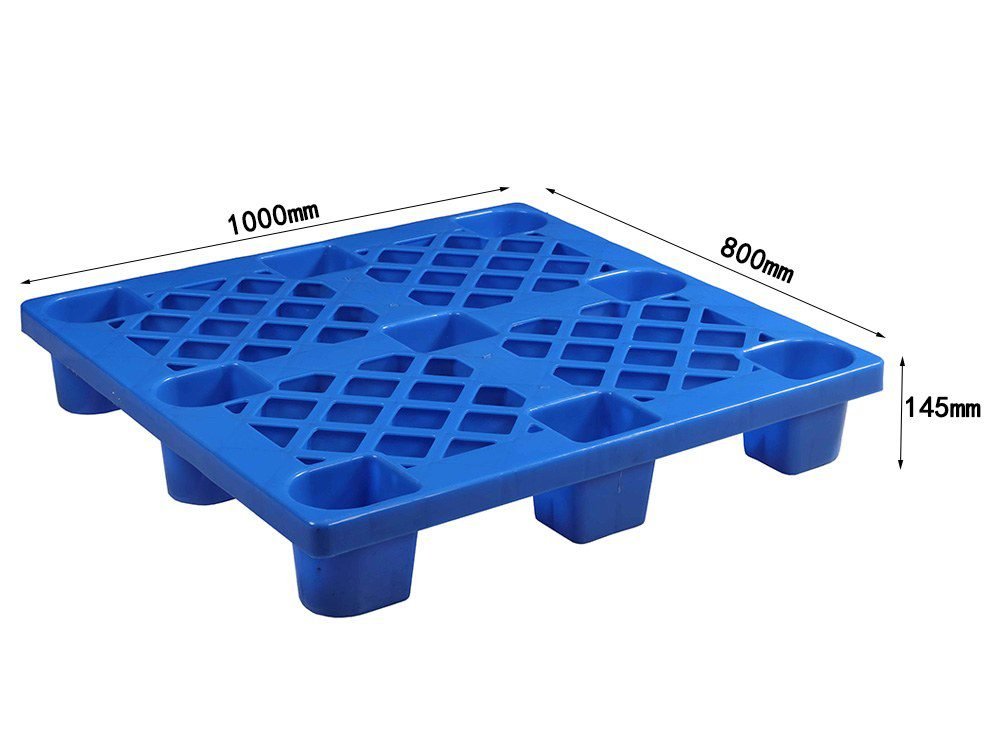
Confirm the footprint before ordering. The 1200 x 1000 mm footprint is widely used, and 1100 x 1100 mm appears in Asian-aligned operations — check what your racking and your customers’ docks were built around. Then decide which rating you actually need: static (on the floor), dynamic (being moved) and racking (supported at the edges only) are three different numbers, and paying for a racking rating on a pallet that never leaves the floor is wasted resin. Full detail: plastic pallet sizes and dimensions and static, dynamic and racking load capacity.
Waste bins
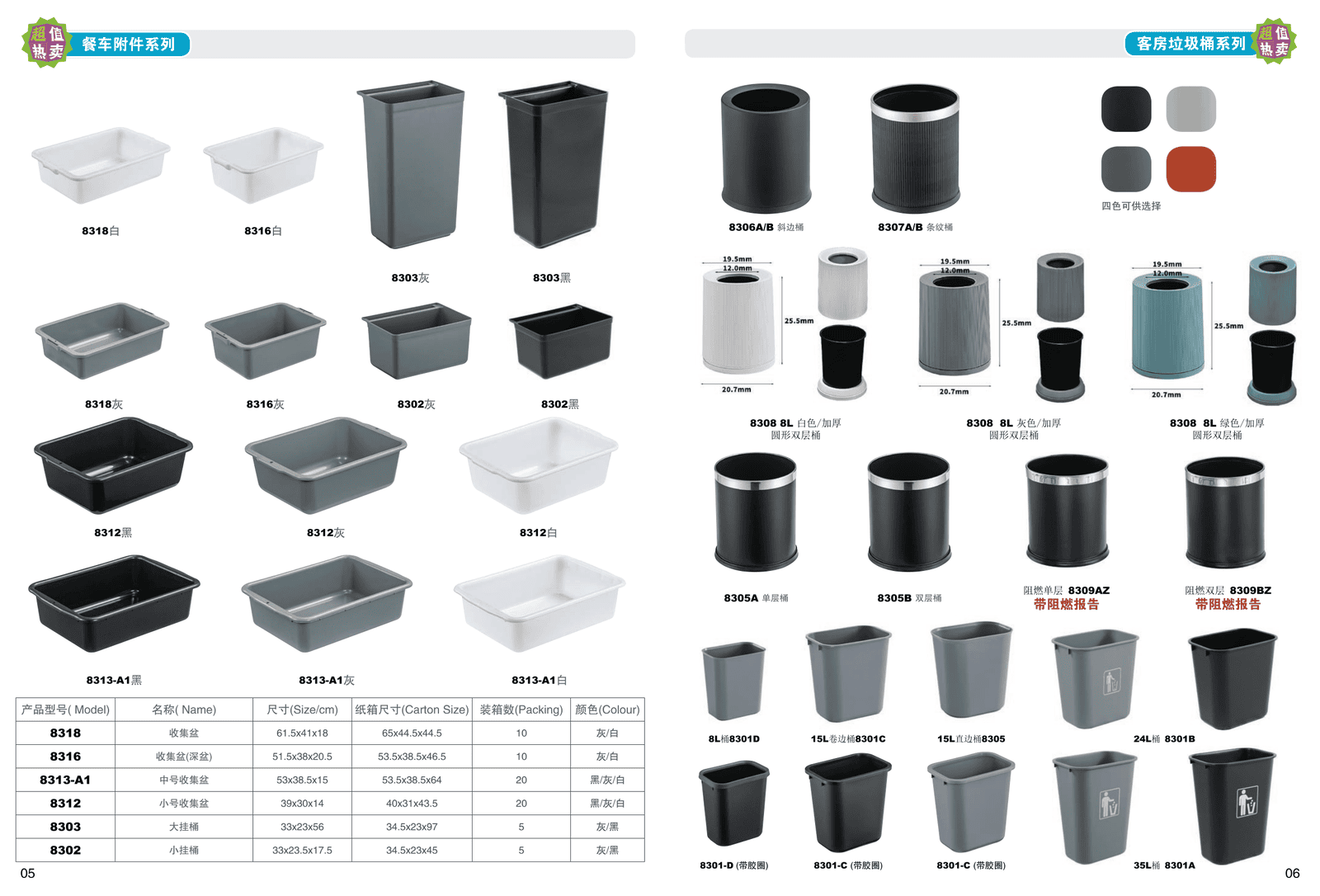
Waste bin supplier in singapore price depends on volume, wall thickness and mechanism. For commercial and public-area use, note that public waste collection and cleanliness standards fall under the National Environment Agency, and contracts or tenders in that space will specify what they require — confirm the exact specification rather than assuming a general-purpose bin satisfies it. Colour coding for segregation is usually no extra if you accept standard colours.
Trays, containers and storage boxes
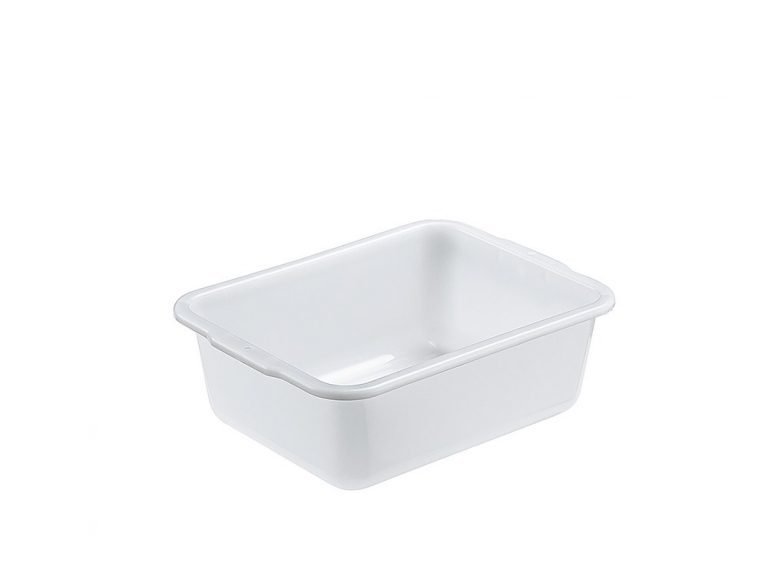
Plastic tray supplier singapore and plastic storage box singapore — for food contact, hold a supplier declaration naming the specific resin and the intended application. Two specification questions dominate: does it nest when empty, and will it be used outdoors. Equatorial sun and high humidity are hard on unstabilised polypropylene, and humidity plus poor ventilation is a mould risk on stored goods — specify ventilation where it matters.
Crates
Vented designs suit produce and use less resin at the same footprint; solid walls suit hardware and parts. Given the storage cost point above, nesting ratio should be one of your first three questions, not an afterthought. See collapsible versus rigid crates and how to choose industrial plastic crates.
Comparing two quotes
- Get the shot weight in grams. Two products with identical external dimensions can differ by 40% in weight.
- Get the nesting or collapse ratio. In Singapore this is frequently worth more than a small unit price difference.
- Get the resin named and confirmation that UV stabiliser is included for anything used outdoors.
- Get pieces per 40HQ. A lower unit price that ships fewer pieces is not cheaper landed.
- Get the same Incoterm from all suppliers.
FAQ
Is duty payable on plastic products imported into Singapore?
Most goods enter Singapore duty-free, and plastics articles are generally outside the short list of dutiable categories. GST applies on the imported value and is recoverable for registered businesses. Confirm the classification for your specific product with your forwarder.
Why does everyone here talk about nesting?
Because warehouse space in Singapore is among the most expensive in the world. A crate that nests or collapses frees floor and cube space you are paying for every month. The same design is a marginal saving in a market with cheap storage and a decisive one here.
What pallet size should I buy?
Check what your racking and your customers’ docks were built around. 1200 x 1000 mm is widely used; 1100 x 1100 mm appears in Asian-aligned operations. The wrong footprint will not sit safely on the beams.
Does humidity affect the specification?
Yes, in two ways. Unstabilised polypropylene degrades under strong equatorial sun, and high humidity with poor ventilation is a mould risk on stored goods. Specify UV stabiliser for outdoor use and ventilation where goods are stored damp.
Ordering notes
- Export orders ship full container load (FCL). We do not split containers for export.
- Samples are charged at cost and credited against a confirmed order. For a nesting design, a sample is the only reliable way to check the actual collapsed height before committing to a container.
- Standard sizes are already tooled. A genuinely new dimension carries a tooling charge and a longer first lead time.
Importing to other markets
The same product families ship to these markets. Freight, clearance and specification notes differ by destination: