The Philippines imports plastic pallets, housekeeping carts, crates and storage boxes at scale, and for one reason: the alternative is local fabrication at a unit cost that does not survive comparison. Hotel groups in Manila, Cebu and Davao, distribution businesses, and facilities contractors all buy the same way — full container loads from China. The work is in specifying correctly and choosing a factory that holds the specification.
What Philippine buyers import in volume
Search demand from the Philippines clusters around five product families, which tells you where the actual import volume sits:
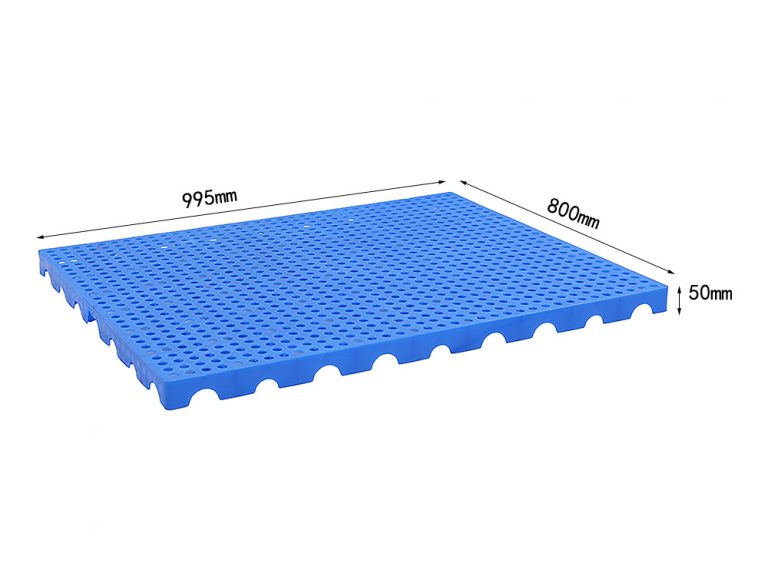
- Plastic pallets — the single biggest wholesale line. Warehousing, cold chain and distribution in Manila and Calabarzon. Most buyers run 1200×1000 mm and 1200×800 mm footprints, and the recurring question is static versus dynamic load rating.
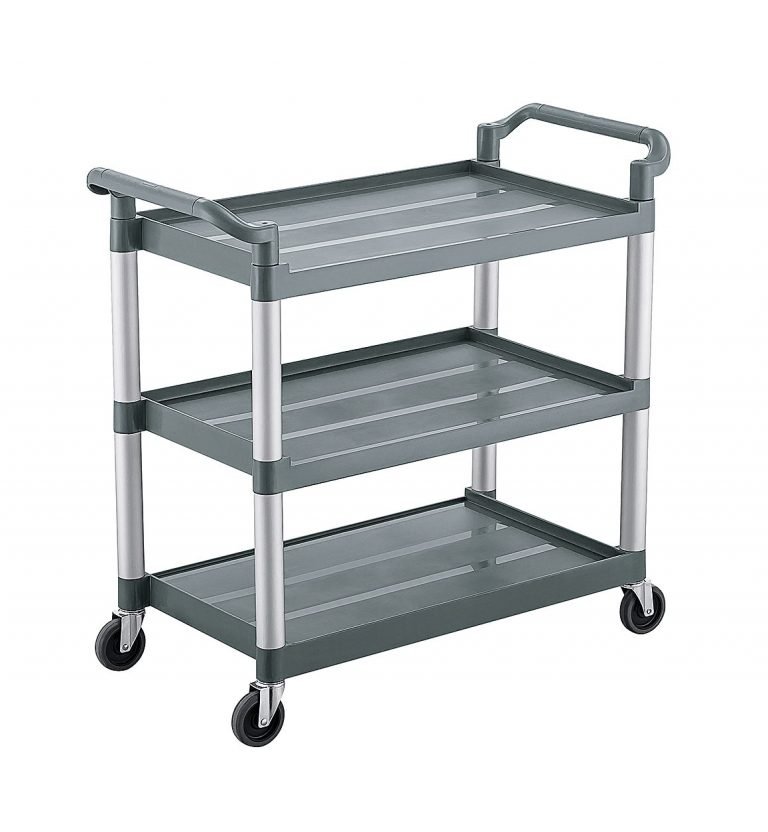
- Housekeeping and janitorial carts — driven by hotels and BPO facility management. The specification questions are always the same: shelf layout, waste handling, castor type and whether the frame survives daily wash-down.
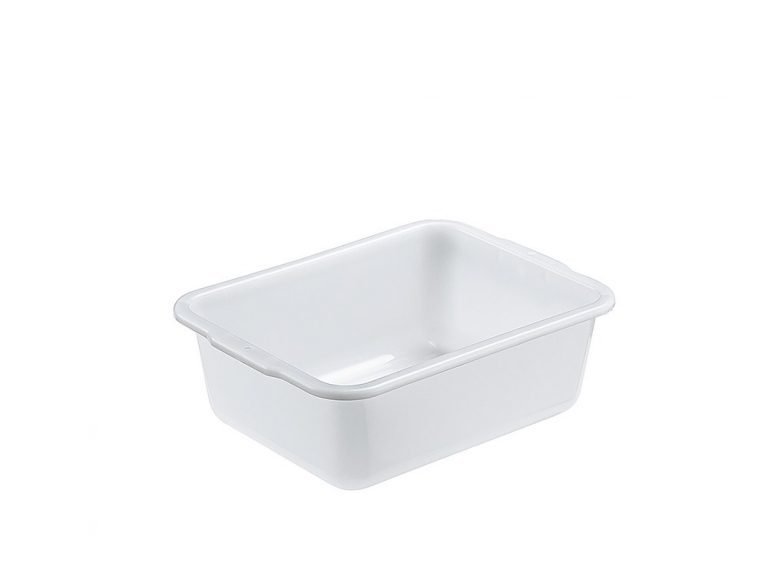
- Plastic crates and turnover boxes — agriculture, fisheries and distribution. Ventilated crates dominate where produce is involved.
- Storage boxes — commercial and institutional buyers rather than retail consumers. Nesting ratio matters more than any other number.
- Trash bins — facility management and municipal-style tenders, where colour coding is usually specified.
Shipping to Manila, Batangas and Cebu
Transit from South China ports to Manila is short by ocean-freight standards — typically under two weeks, and often around seven to ten days depending on the sailing. Batangas and Cebu are broadly comparable with possible transhipment. That short transit is why plastic goods import efficiently: the freight cost per unit stays reasonable on volume-limited goods.
Documentation is standard: commercial invoice, packing list, and bill of lading. The Bureau of Customs assesses duty and VAT on arrival, and like most ASEAN import regimes, classification accuracy decides whether clearance is routine or expensive. Ask the factory which HS code it declares on the invoice, and cross-check with your own broker before the container ships — a mismatch discovered at the port is a demurrage bill, not a phone call.
Volume-limited goods: the number that decides your landed cost
Plastic pallets and boxes are light for their size. A 40HQ container holds roughly 76 cubic metres, and freight is charged on that volume, not on weight. Whether your container carries 300 units or 900 is therefore the biggest single variable in landed cost — bigger than any negotiation on unit price.
Ask for a loading diagram for the specific model, not an estimate:
- Nested crates and boxes cut empty volume dramatically — often 60–75% versus assembled units — so the same container quantity multiplies.
- Plastic pallets barely nest. Design differences in stacking can swing container quantity by a third between two pallets that look similar.
- Carts often ship with shelves and frames flat-packed or nested, which changes the count considerably versus assembled shipping.
Get that figure in writing per model before the deposit. A supplier quoting container quantities without the nesting ratio is estimating.
Specifying carts for hotels and BPO facilities
Hotel and facility buyers in the Philippines ask the same four questions, and it is worth writing the answers onto the purchase order rather than leaving them to conversation:
- Route width. Measure the narrowest service corridor and lift before choosing cart width. A cart that fits the corridor but cannot turn at the corner is the wrong cart.
- Floor surface. Soft castor tread for carpeted guest floors, hard tread for tile and concrete back-of-house. Specifying the actual floors prevents the most common complaint after delivery.
- Waste handling. Whether the cart carries a liner bag frame, a bucket, or both — and the liner size it takes. A cart designed around a liner the property does not buy becomes a two-trip cart.
- Frame material. Anywhere the cart meets water or wash-down, specify stainless over painted steel. Painted steel rusts from inside the tube at drilled joints, where you cannot see it until the frame fails.
Our comparison of service carts versus housekeeping carts covers the layout differences in detail, and the cleaning cart buying guide covers castor and frame selection.
How to check a wholesale supplier before you pay
Five checks separate a factory from a trading desk, and all five can be done over email:
- Part weight. Two pallets with identical dimensions can differ by 40% in material. Ask every supplier for the part weight, and compare quotes on that basis — it is the honest specification.
- Load rating with test condition. “1,000 kg” means nothing without knowing whether it is static, dynamic or racking. Ask for all three separately.
- Machine list. A factory running 180T to 2500T machines in-house will answer specifically; a trader will answer vaguely.
- Recycled content in writing. Recycled resin is legitimate and often appropriate, but it changes impact strength. Unusually low quotes are usually explained by this.
- FCL-only export. A factory consolidating loose cartons for export is running trading on the side, and your documentation chain gets longer and slower.
Humidity and UV: Philippine conditions
Two environmental factors drive specification in the Philippines. First, sustained humidity — coastal Manila especially — attacks plain steel hardware, so wheeled bins and carts need corrosion-resistant axles and castor mounts. Second, intense UV on anything standing outdoors: unstabilised HDPE warps and cracks in direct tropical sun within a couple of seasons. Ask for UV-stabilised compound — carbon black or HALS through the wall, not a coating — on any outdoor item.
Frequently asked questions
What is the minimum order for export to the Philippines?
Export orders ship as full container loads (FCL). We do not consolidate loose cartons for overseas customers. For orders inside China we can ship smaller quantities by courier or truck with no minimum.
Can I mix products in one container?
Yes, provided the total fills the container. Philippine importers commonly combine pallets, carts and crates in a single 40HQ. Send the mix and we will prepare a loading plan showing what fits.
Are samples available before a bulk order?
Yes. Samples are supplied at cost price plus freight, not free of charge. For large orders we usually recommend confirming specification from drawings and the loading plan first, because the sample cost is not normally credited against the bulk order.
Can we have our own colour and logo?
Yes, subject to a minimum quantity per colour. Send a Pantone reference and vector artwork. In-mould branding carries a tooling cost; pad printing has a lower setup cost with a minimum per run.
What is the production lead time?
Stock colours from existing moulds typically run a few weeks from deposit and artwork confirmation. Custom colour or new tooling adds time, confirmed in writing with the quotation.
Do you ship to Manila, Batangas and Cebu?
Yes. Full container loads from South China, with standard documentation. We can quote FOB or discuss terms depending on order size.
Next step
Send the product type, footprint or capacity, quantity target and destination port. We will reply with a specification sheet, the part weight, and a loading plan for the models that fit. If you are comparing wholesale suppliers, ask each one for the part weight and the nesting ratio — those two answers separate the quotes faster than anything else.
Related reading: plastic pallet sizes and dimensions, static versus dynamic pallet load ratings, hotel janitorial cart equipment guide, and how to stack crates on pallets.
Also supplying
Importing to other markets
The same product families ship to these markets. Freight, clearance and specification notes differ by destination: