Sri Lanka’s hotel sector runs on imported equipment, and for good reason: the volume that Colombo, Galle and Kandy properties consume in housekeeping trolleys, glass racks and luggage carts is real, but the local fabrication cost for equivalent quality is not competitive. Importers and hotel procurement teams buy plastic equipment from China in full container loads. This guide covers what to specify and how to check the factory before you pay.
What Sri Lankan buyers actually import
Search demand from Sri Lanka is dominated by two clusters — hotel equipment and general plastic containers — and the split tells you who is buying:
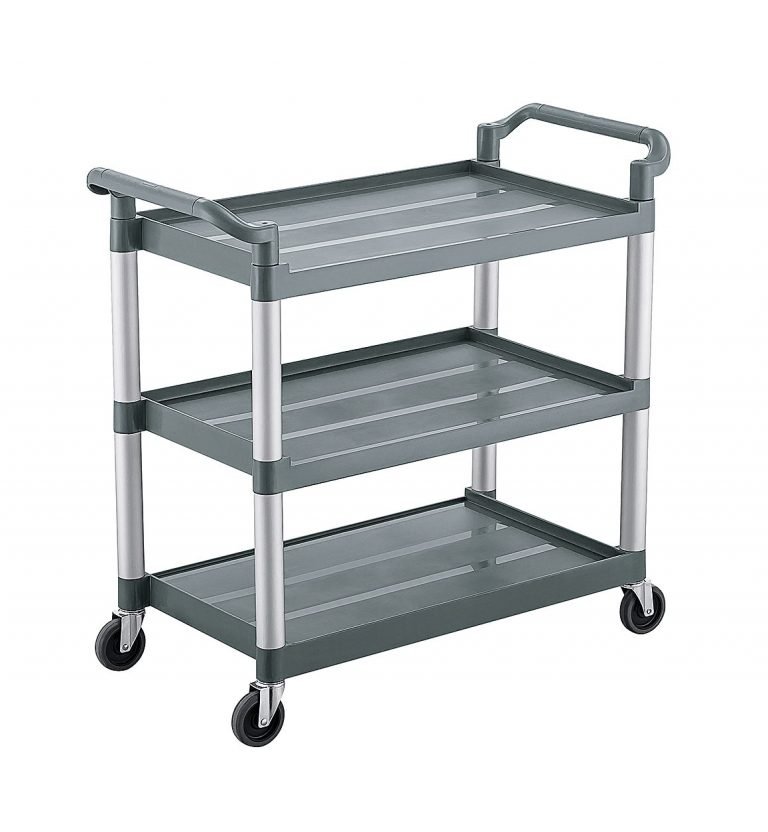
- Housekeeping trolleys — the single most searched hotel item. Properties specify by room count per floor, corridor width and waste handling, not by catalogue photo.
- Glass racks (cup crates) — banquet and F&B operations. The specification question is always the pocket grid and whether the rack stacks on standard dollies.
- Luggage trolleys — front-of-house. Frame material and wheel specification decide whether a trolley survives three years of daily portering.
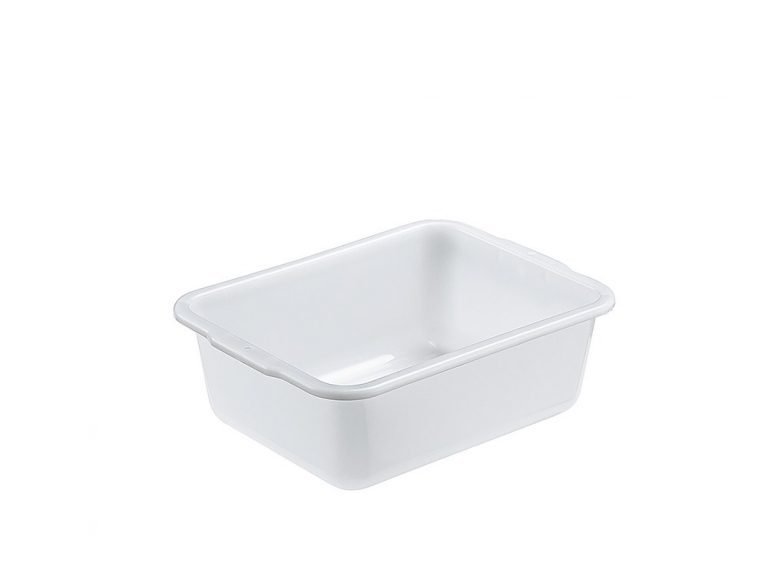
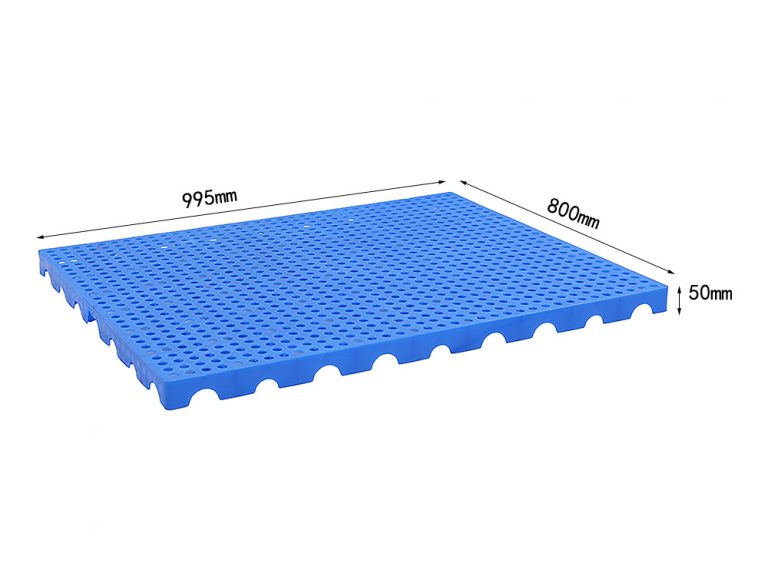
- Plastic crates and pallets — distribution, agriculture (tea and produce handling) and export packing. Footprint standardisation matters more than volume per box.
- Dustbins and storage boxes — facilities and institutional buyers, usually colour-coded.
Specifying housekeeping trolleys for hotel floors
Four decisions determine whether a trolley works in daily service, and all four should be written onto the purchase order:
- Corridor width. Measure the narrowest guest corridor and the service lift before choosing trolley width. A trolley that fits the corridor but cannot park beside a room door blocks the corridor — which in a hotel is a guest complaint, not a housekeeping note.
- Room count per floor. The linen and amenity capacity should follow the rooms serviced per trip, not the property’s total size. Oversizing the trolley to avoid restocking usually makes it too heavy to manoeuvre safely.
- Waste handling. Whether the trolley carries a laundry bag frame, a waste bucket or both — and the liner sizes each takes. A trolley designed around a liner the property does not buy becomes a two-trip trolley within a month.
- Wheels and finish. Soft tread for carpeted floors, hard tread for tile. Anywhere the trolley meets wash-down or humidity, specify corrosion-resistant hardware — coastal Colombo properties attack plain steel faster than most climates.
Our comparison of service carts versus housekeeping carts covers layout differences, and the housekeeping cart organisation guide covers daily workflow.
Glass racks: the grid decides everything
A glass rack is specified by the glassware it holds, not by external dimensions. The pocket grid must match the tumblers, wine glasses or cups the property actually uses — a rack with the wrong grid wastes its volume and chips glass. Two further checks matter:
- Stacking on dollies. Banquet operations move racks in stacks on wheeled dollies. Confirm the rack stacks securely loaded and that the dolly footprint matches the rack footprint — the combination is what the banquet team actually handles.
- Open versus closed grid. Open grids drain and dry faster after washing, which matters in a wash-up cycle running all day. Closed grids protect rims better in storage. Most properties run both types.
We supply glass racks sized for standard grids, and we can quote matched dollies in the same container.
Luggage trolleys: what fails first
In portering service, the failure sequence is predictable: wheels, then the carpet rail, then the frame. Specify accordingly — wheel grade for the portico surface (rough stone destroys soft tread), a replaceable carpet rail (it wears and gets dirty before the frame ages), and a frame with welded joints rather than bolted ones. A bolted luggage trolley develops play within a year of daily use; a welded one does not.
Crates and pallets: footprint before volume
For crates and pallets, the specification that matters is the footprint the operation already runs. Tea handling, produce distribution and export packing in Sri Lanka mostly work with existing racking and vehicle beds, so a crate or pallet that deviates from the established footprint forces changes to everything behind it. Ask what footprint the buyer’s system uses first, then compare suppliers within it.
For pallets specifically, request the three load ratings separately — static, dynamic and racking. A single “load capacity” figure without the condition attached is not comparable between suppliers.
Shipping to Colombo
Transit from South China to Colombo typically runs about one to two weeks depending on the sailing. Documentation is standard: commercial invoice, packing list and bill of lading. Confirm HS classification with your broker before the container ships, and ask the factory which code it declares on the invoice so both sides agree before arrival. A mismatch discovered at Colombo port is a demurrage bill, not a phone call.
Container economics: the number that decides landed cost
Plastic goods are volume-limited, not weight-limited. A 40HQ holds roughly 76 cubic metres, and whether that volume carries 300 units or 900 is the biggest variable in landed cost per piece — bigger than any negotiation on unit price. The ratio is decided by nesting:
- Nested crates and glass racks cut empty volume by 60–75% versus assembled units, multiplying container quantity.
- Trolleys ship with frames and shelves nested or flat-packed, which changes the count considerably versus assembled shipping.
- Pallets barely nest — design differences in stacking swing container quantity by up to a third between similar-looking models.
Ask for a loading diagram for the specific models, in writing, before the deposit. A supplier quoting container quantities without the nesting ratio is estimating.
How to check a supplier before you pay
- Part weight. Two trolleys or crates with identical dimensions can differ by 40% in material. Weight is the honest specification and the fastest way to compare quotes.
- Machine list. A factory running 180T to 2500T machines in-house will answer specifically; a trading desk will not.
- Recycled content in writing. Legitimate and often appropriate, but it changes impact strength. Unusually low quotes are usually explained by this.
- Sample at cost price. We supply samples at cost plus freight, not free. A free sample tells you nothing about how a factory treats a problem.
- FCL-only export. A factory consolidating loose cartons for export is running trading on the side, and the documentation chain gets longer.
Frequently asked questions
What is the minimum order for export to Sri Lanka?
Export orders ship as full container loads (FCL). We do not consolidate loose cartons for overseas customers. Inside China we can ship smaller quantities with no minimum.
Can we mix trolleys, glass racks and crates in one container?
Yes, and most Sri Lankan orders do exactly that — hotel equipment plus housekeeping consumables plus crates in a single 40HQ. Send the mix and we will prepare a loading plan showing what fits.
Are samples available before a bulk order?
Yes. Samples are supplied at cost price plus freight, not free of charge. For large orders we usually recommend confirming specification from drawings and the loading plan first.
Can we have our hotel’s colour and logo?
Yes, subject to a minimum quantity per colour. Send a Pantone reference and vector artwork. In-mould branding carries a tooling cost; pad printing has a lower setup cost.
What is the production lead time?
Stock colours from existing moulds typically run a few weeks from deposit and artwork confirmation. Custom colour or new tooling adds time, confirmed in writing with the quotation.
Next step
Send the product types, quantities and destination port. We will reply with a specification sheet, the part weight, and a loading plan for the models that fit. If you are comparing suppliers, ask each for the part weight and the nesting ratio — those two answers separate quotes faster than anything else.
Related reading: hotel luggage cart buying guide, hotel operations cart guide, how to choose industrial plastic crates, and plastic pallet sizes guide.
Also supplying
Importing to other markets
The same product families ship to these markets. Freight, clearance and specification notes differ by destination: