Choosing between PP vs HDPE plastic pallet buyer’s guides is critical for optimizing your warehouse and agricultural operations.For procurement managers, farm owners, and logistics companies, the choice often comes down to two dominant materials: Polypropylene (PP) and High-Density Polyethylene (HDPE).
While they may look identical to the untrained eye, choosing the wrong material for your specific environment—whether it’s a freezing cold storage unit or a bumpy agricultural road—can lead to premature cracking, safety hazards, and wasted budget.
As LSY Plastic, a leading China plastic manufacturer with 35+ years of experience, we are here to break down the technical differences. This guide compares PP vs. HDPE using real-world data to help you choose the right plastic pallets and logistics boards for your business.
1,PP vs HDPE Plastic Pallets – Key Industrial Differences
To make the right decision, you must understand how these polymers react to stress:
• HDPE (High-Density Polyethylene): The “Resilient Protector.” It has high impact strength and flexibility. It absorbs shock rather than shattering.
• PP (Polypropylene): The “Stiff Supporter.” It is harder and more rigid, making it excellent for heavy static loads but more brittle under impact.
2.PP vs HDPE Plastic Pallets: Agricultural Case Study on Loss Reduction
Agricultural transportation is one of the most demanding sectors for logistics packaging. The biggest hidden cost isn’t the pallet itself—it’s the damage to the produce caused by vibration.
🚛 PP vs HDPE Plastic Pallets: The ‘Fresh Produce’ Shock Test
We compared the performance of rigid PP pallets vs. shock-absorbing HDPE pallets when transporting soft fruits (specifically tomatoes and be
PP vs HDPE Plastic Pallets: PP Scenario with High Stiffness:
Because PP is rigid, it transfers road vibrations directly through the pallet and into the crates. It acts like a solid block.
Result: The bottom layers of fruit suffer from “vibration bruising.”
Data: Industry observations suggest that rigid transport on rough roads significantly increases spoilage due to pressure bruising. •
The HDPE Scenario (High Impact Absorption):
HDPE has natural flexibility. When the truck hits a bump, the HDPE pallet absorbs a portion of the kinetic energy.
Result: The vibration reaching the fruit is dampened significantly.
Data: Our client feedback and field tests indicate that using HDPE pallets can reduce tomato transportation loss by up to 15% compar
🏭 The LSY Solution: Specialized Agricultur
Understanding this critical data, LSY Plastic has established a mature HDPE production line specifically for the agricultural sector.
We don’t just sell standard sizes; we provide customized OEM/ODM services for agricultural transportation pallets. Whether you need specific ventilation designs to improve airflow or reinforced corners for field handling, our engineering team can tailor the mold to ensure your produce arrives in peak condition, saving you that critical
3,Durability Data: Weathering the Element
Beyond protecting the fruit, the pallet itself must survive the environment. We tested Virgin HDPE vs. Standard PP pallets in a simulated 3-month outdoor cycle.
🧪 The Stress Test: -20°C to 60°C
Conditions: Cycling between freezing cold storage (-20°C) and direct field sunlight (60°C surface temp). •
Duration: 3 months of continuous outdoor exposure.
This data clearly shows the environmental advantages of PP vs HDPE plastic pallets in different
📊 The Results:
1,Anti-Aging & Weather Resistance
HDPE Pallets: Maintained 95% of their original structural integrity. The molecular structure remained stable despite rapid temperature shifts. •
PP Pallets: Showed signs of UV degradation. In high heat (60°C), PP molecules can loosen, while the drop to -20°C caused immediate brittleness.
2,Impact Loss Rate (Durability)
After 3 months of exposure, the pallets were subjected to standard forklift impact tests.
• HDPE Loss Rate: <1%. Even after weathering, HDPE absorbed the impact without fracturing.
• PP Loss Rate: ~15%. The combination of UV exposure and freezing temps made the PP pallets significantly more prone to cracking upon impact.
Key Takeaway: For agricultural transportation involving outdoor exposure and cold chains, HDPE pallets offer a significantly longer service life.
4,Warehouse Scenario: When to Choose PP?
While HDPE wins outdoors, PP pallets have a specific advantage in controlled indoor environments.
• Heavy Duty Racking: If your warehouse maintains a stable ambient temperature (10°C – 30°C) and you require heavy duty plastic pallets for high-bay racking (1 ton+), PP’s natural stiffness results in less deflection (sagging) than HDPE.
• High-Temp Washing: If your industry requires sanitization at temperatures exceeding 80°C, PP handles the heat better than HDPE.
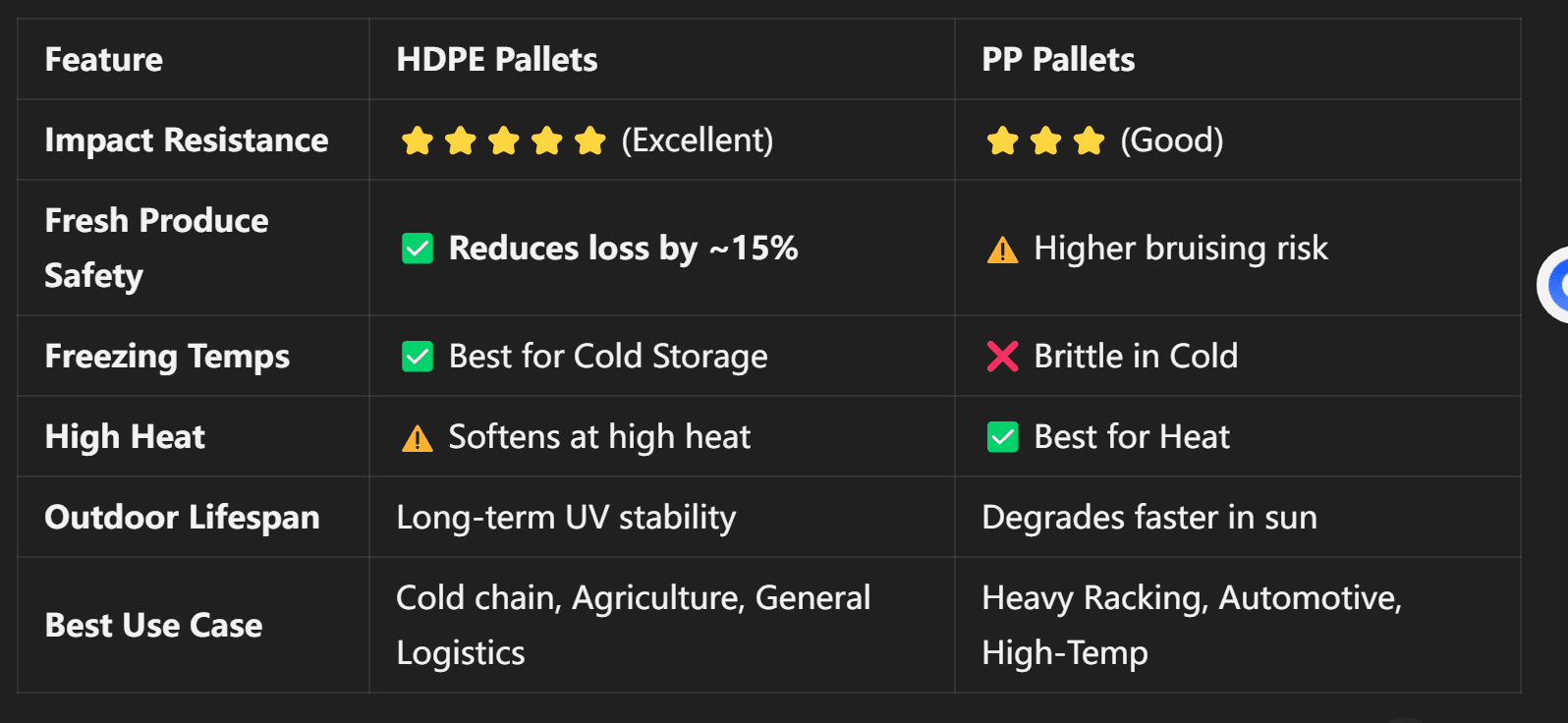
5,Quick Comparison Table
6,FAQ: Your Questions Answered
To help you make the final decision, here are the most common questions we receive from our global partners.
Q1: How do I choose the right pallet material for my transportation scenario?
A: It comes down to temperature and handling.
• Choose HDPE if: You operate outdoors, use cold storage/freezers, transport fragile agricultural goods (like tomatoes or berries), or have a “rough handling” environment. • Choose PP if: You operate strictly indoors with stable temperatures, use high-rack systems for heavy industrial loads, or need to wash pallets in very hot water (>80°C).
Q2: What is the customization process for LSY pallets?
A: As an OEM/ODM specialist, we make customization easy:
1. Consultation: Tell us your load requirements, temperature environment, and size needs.
2. Design: Our engineers provide a 3D drawing or modify an existing mold.
3. Sample: We produce a sample for your testing.
4. Production: Once approved, we manufacture your bulk order in our Foshan factory
5. Branding: We can add your company logo via silk screen or embossing.
Q3: Can I mix materials?
A: Yes. We can produce pallets using modified materials (e.g., impact-modified PP) to balance stiffness and durability, though Virgin HDPE remains the gold standard for agriculture.
7,The LSY Advantage: Quality, Warranty & Sustainability
At LSY Plastic, we don’t just mold plastic; we engineer logistics solutions. Whether you need logistics boards or custom pallets, our Foshan, China factory ensures you get the best value.
🛡️ Our Warranty Commitment
We stand behind our quality.
• Virgin Material Pallets: We offer a standard 3-year warranty on our virgin HDPE/PP products. If a pallet breaks due to manufacturing defects or normal use within the warranty period, we offer a replacement policy (e.g., 1-for-1 in year one).
♻️ 100% Recyclable Solutions
Sustainability is no longer optional.
• Circular Economy: Both our PP and HDPE pallets are 100% recyclable.
• Buy-Back Value: At the end of their long service life, LSY pallets can be ground down and re-molded, reducing your carbon footprint and waste disposal costs.
Understanding these core properties of PP vs HDPE plastic pallets will help you make the most cost-effective decision.
8,Conclusion
If you are moving fresh produce through cold chains or storing goods outdoors, HDPE is your most cost-effective choice.
If you are racking heavy industrial loads indoors, PP may be superior.
Don’t leave your logistics efficiency to chance. Partner with a manufacturer who understands the science behind the plastic.
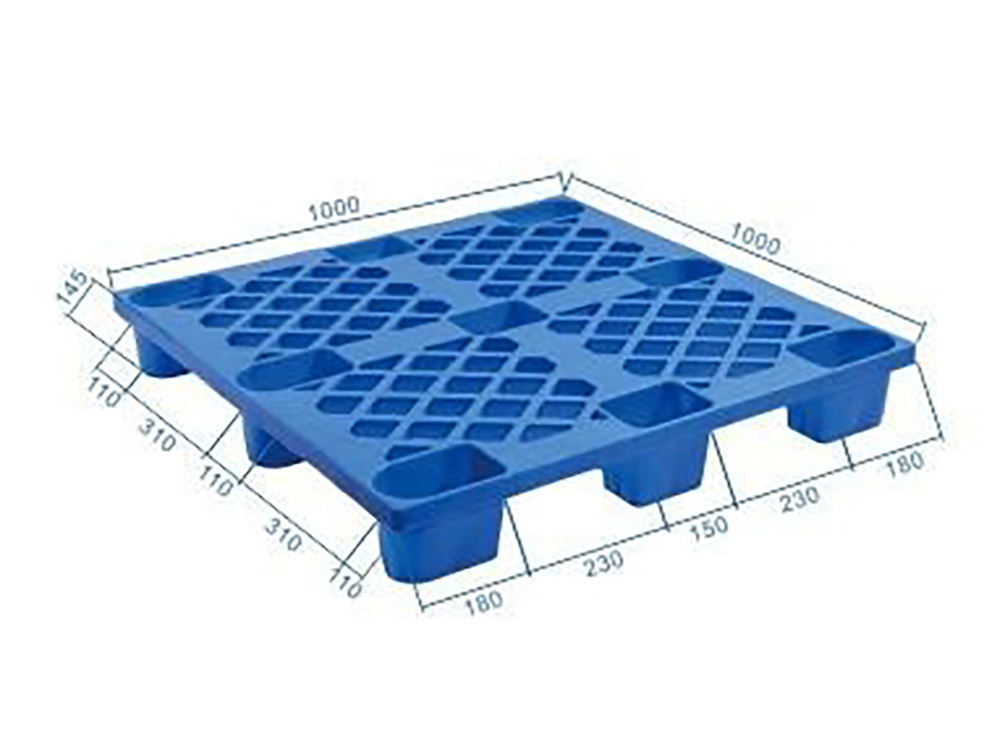
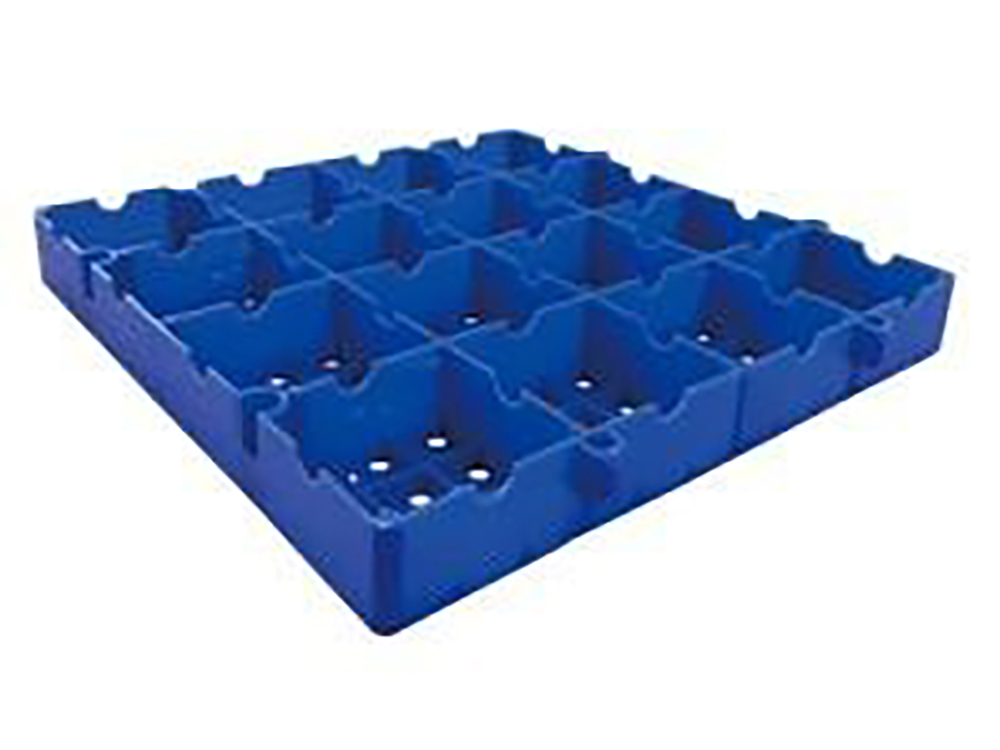
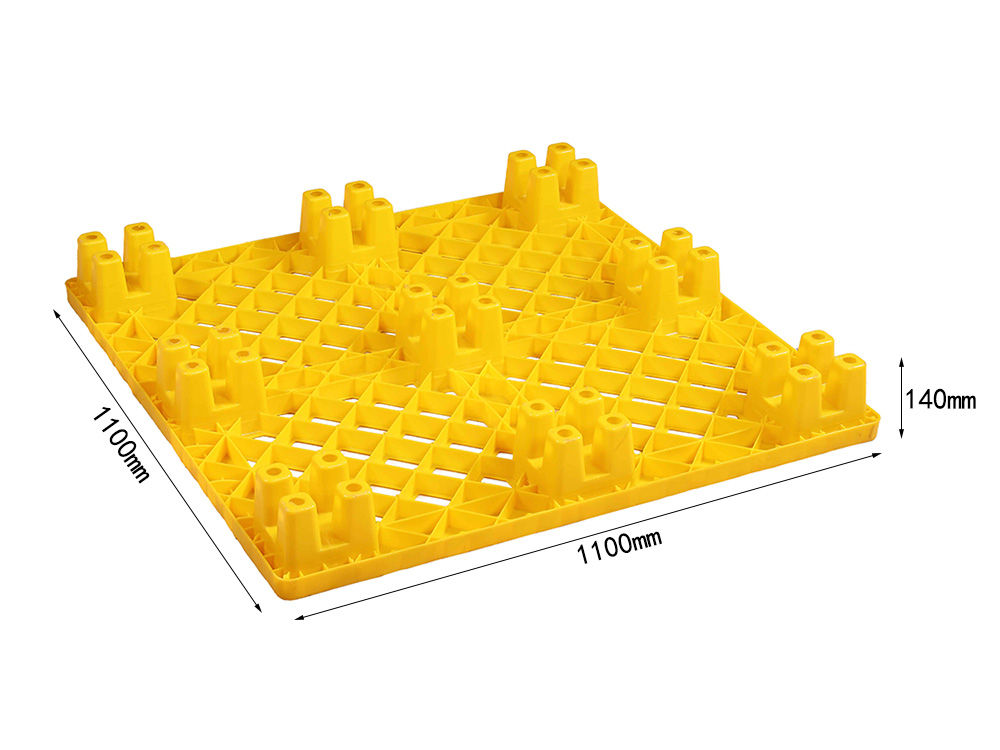
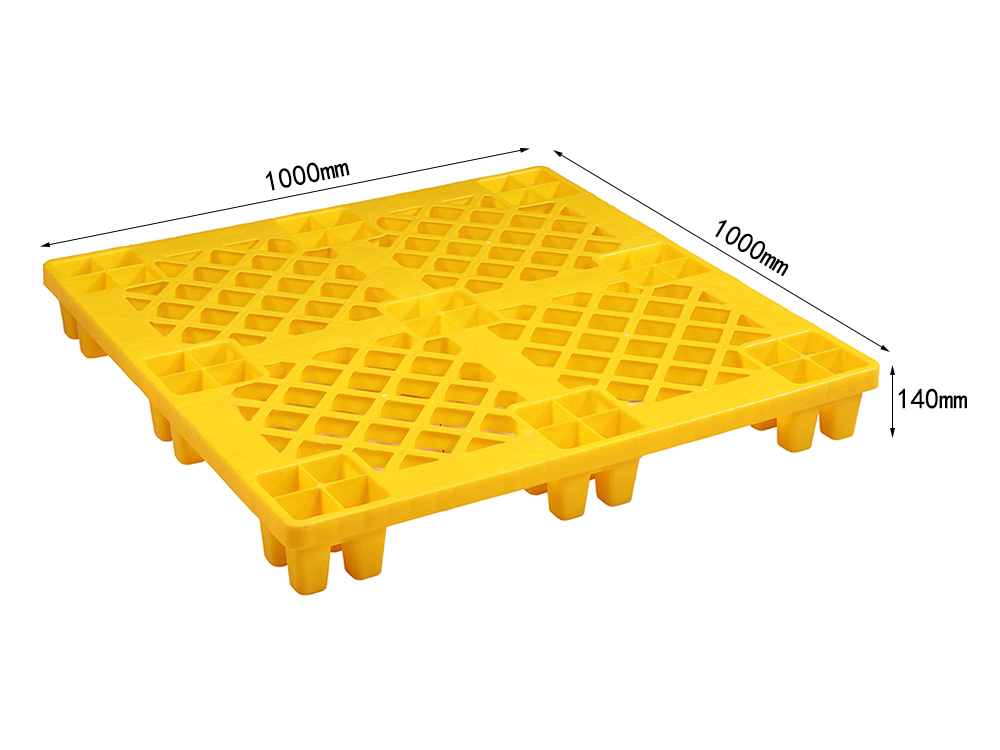
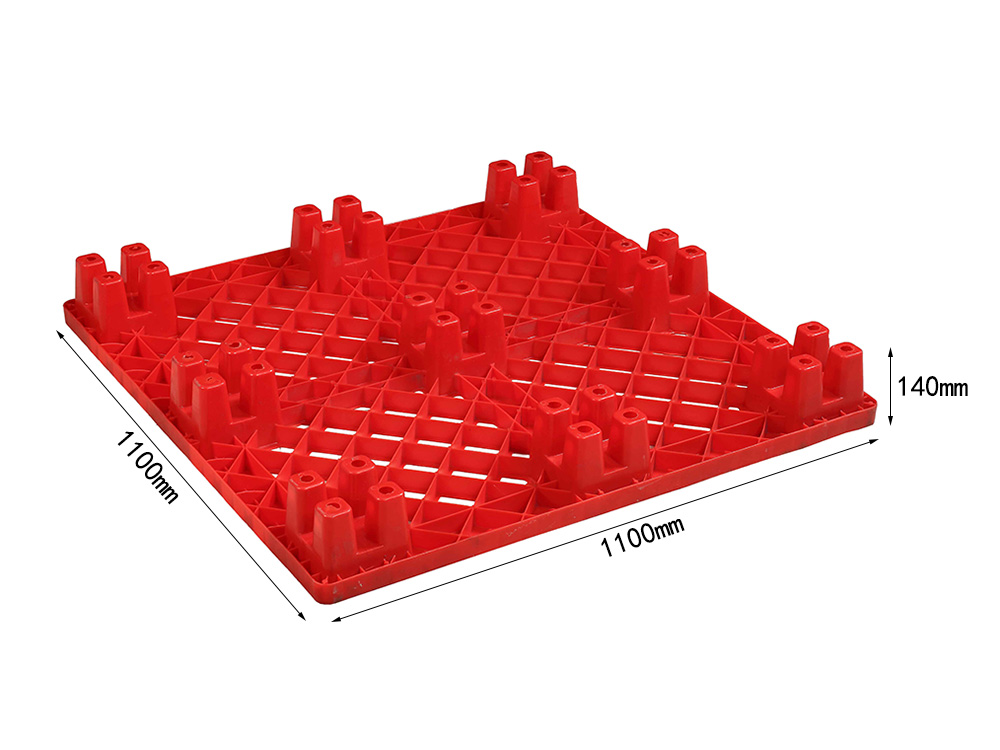
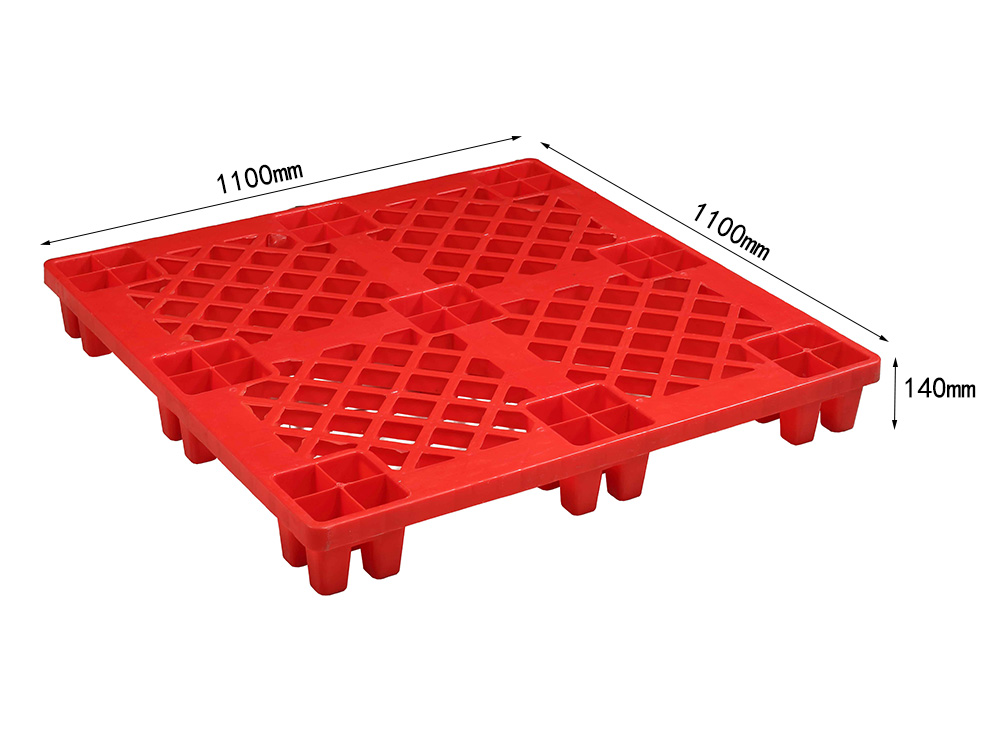
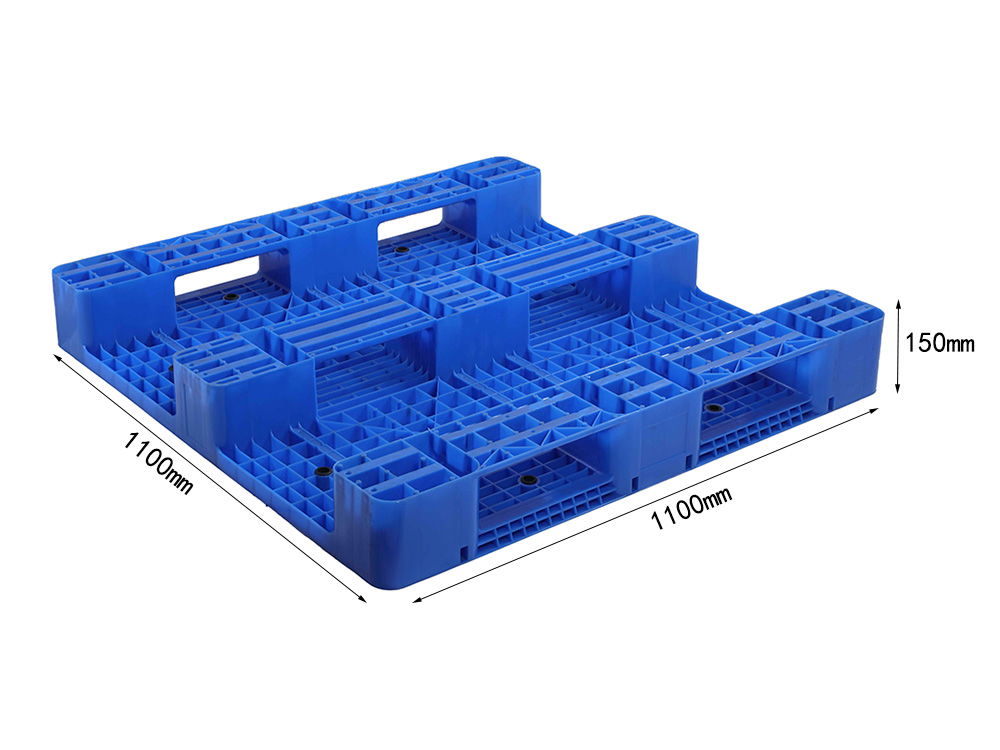
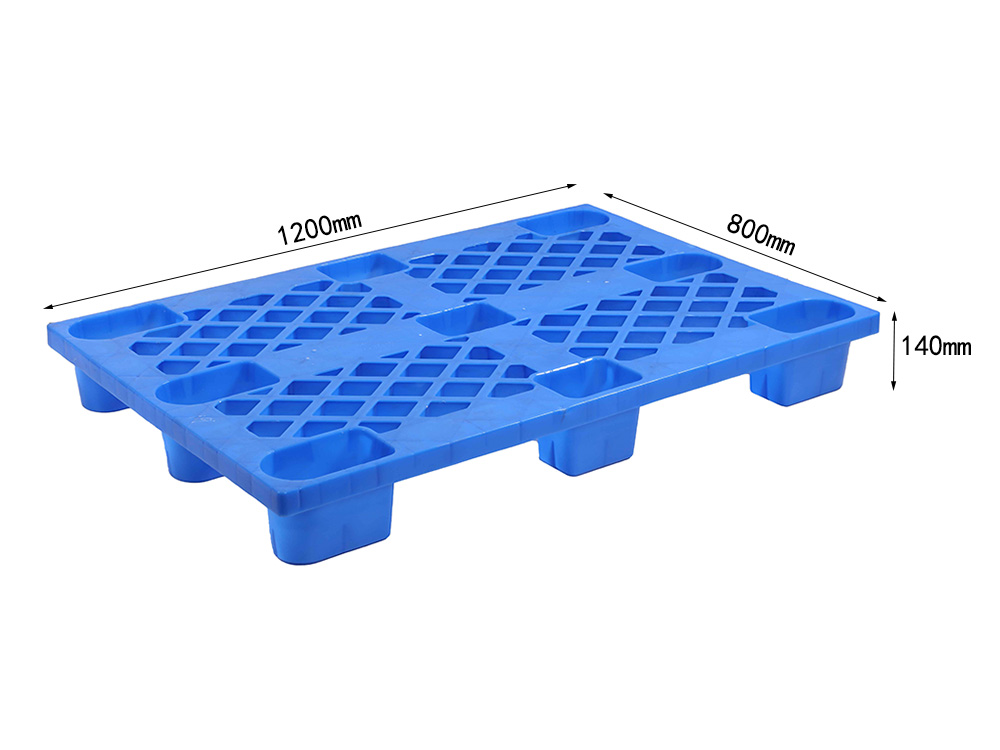
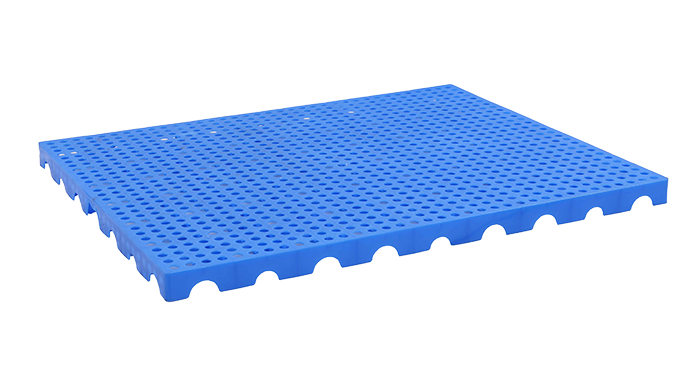
https://lsyplastic.com/product-category/industrial-logistics-material-handling-series/plastic-pallets/For industry standards on plastic pallets, refer to the ISO guidelines at https://www.iso.org/
Need reliable plastic logistics solutions? Contact LSY Plastic today for a free consultation. Backed by decades of injection molding experience, LSY Plastic provides factory-direct quality at competitive prices. Chat on WhatsApp for instant quotes. For more guides on this topic, check our Warehouse & Logistics Plastic Products Complete Guide.