Pallet pooling — renting pallets through a shared pool operated by a provider like CHEP, PECO or Brambles — has become standard practice for FMCG, retail and CPG supply chains in North America, Europe and Australia. At the same time, a growing number of manufacturers and wholesalers are questioning whether pooling fees make sense for their volumes, and whether buying pallets directly from a factory is cheaper and easier to control. There is no universal answer, but there is a decision framework. This guide walks through pallet pooling vs buying with real cost components, control trade-offs and the numbers you should put in your own spreadsheet.
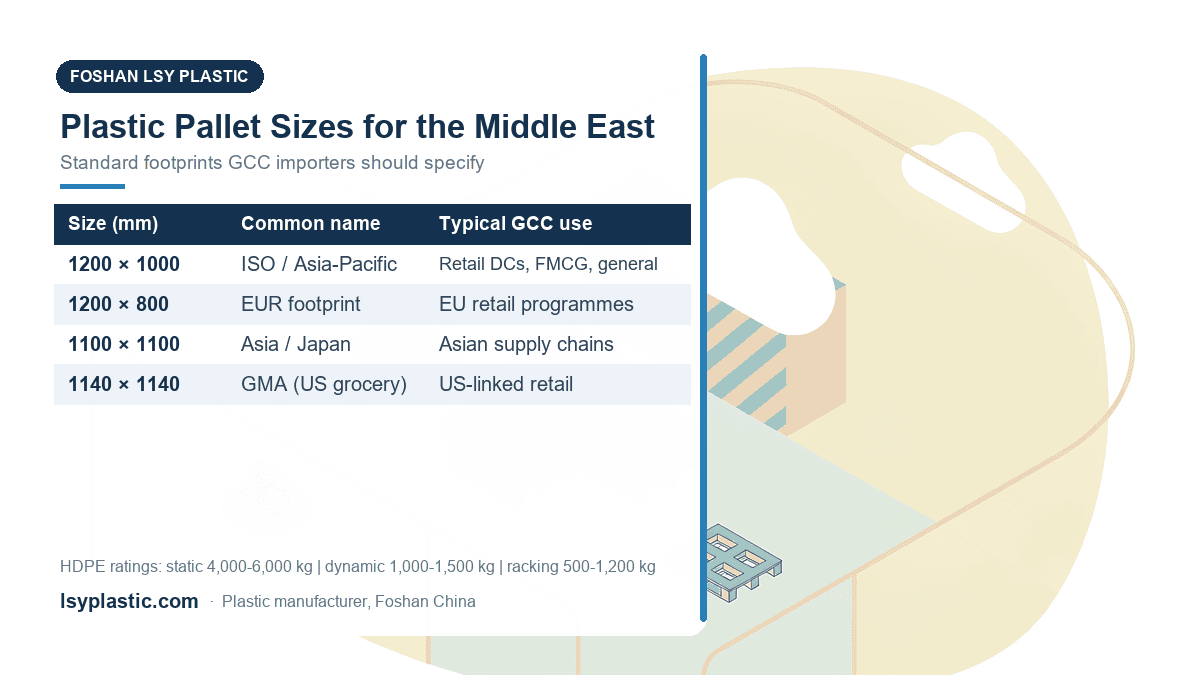
Choosing between footprints? Our plastic pallet sizes and dimensions guide compares the main standards side by side.
1. What Pallet Pooling Actually Costs
Pooling providers charge for the pallet per trip or per month, plus ancillary fees. The headline rental price is never the whole story. Typical components include:
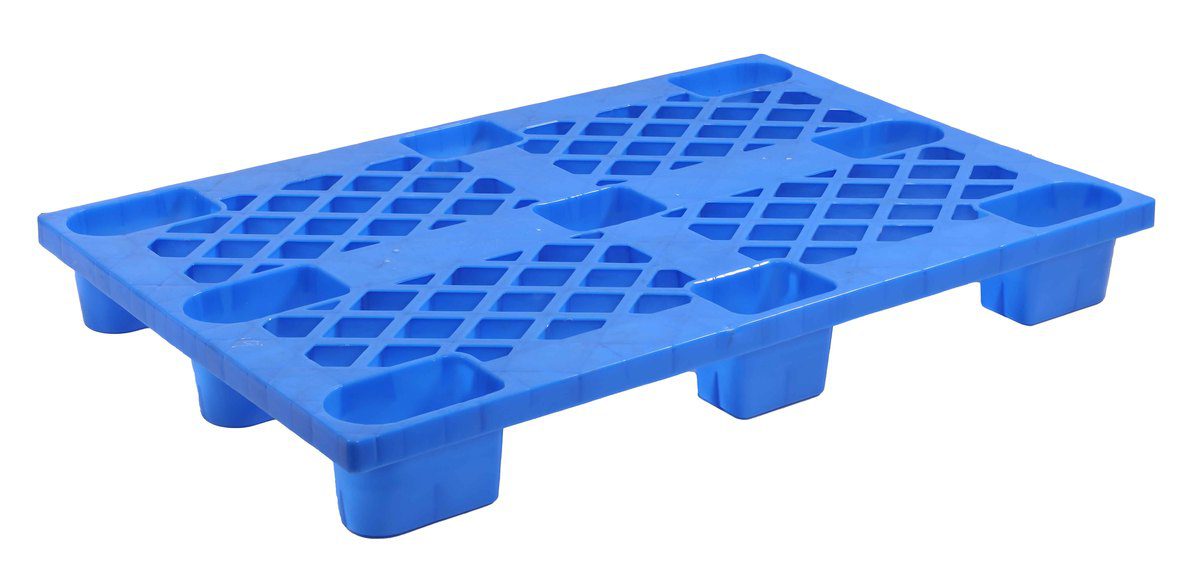
| Cost component | What it covers | Typical magnitude |
|---|---|---|
| Rental fee (per trip or per month) | Use of the pallet asset | USD 1–4 per pallet trip in most markets |
| Pool administration fee | Tracking, logistics, IT | Small per-pallet add-on |
| Damage and loss charges | Pallets not returned or beyond repair | Often the largest hidden cost |
| Return logistics | Getting empty pallets back to the pool | Depends on lane balance |
| Compliance charges | ISPM-15 treatment, labeling, audits | Often included but can be charged per event |
Pooling works best when your lanes are balanced — you ship consistently to points where the pool has return capacity. One-way lanes, export lanes and intercontinental shipments are where pooling economics break down, because return logistics fees stack up quickly.
2. What Buying Pallet Pallets Actually Costs
Buying pallets looks simpler: one purchase price, then the pallet is yours. But the full picture includes:
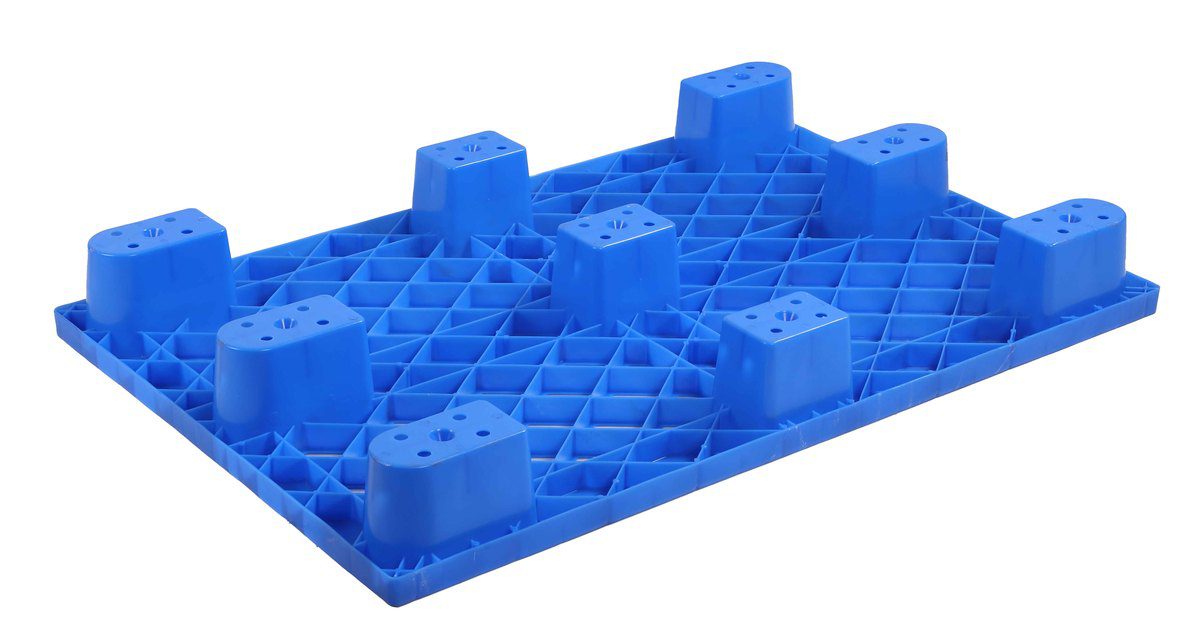
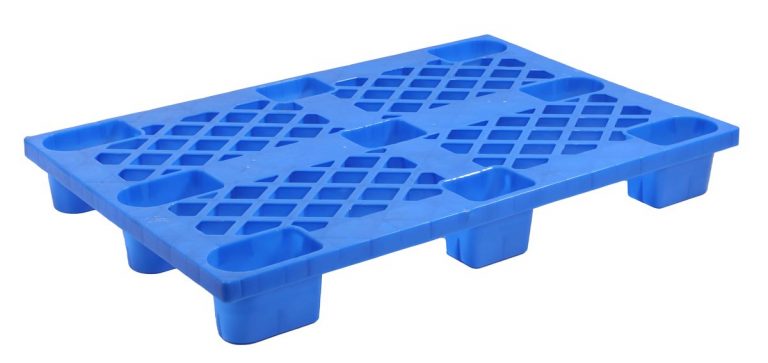
- Purchase price — a quality plastic pallet is typically USD 15–45 depending on size, structure and resin; structural-foam or heavy-duty rackable models sit at the higher end.
- Service life — tested plastic pallets commonly last 8–10+ years; see our cost-per-trip analysis for worked lifetime math.
- Damage and repairs — plastic pallets crack rather than splinter; damaged units may need replacement but do not need nail-and-board repair like wood.
- Tracking and management — you carry the asset on your books and manage your own stock levels.
- Residual value — end-of-life pallets can be recycled; see our pallet recycling and sustainability guide.
Per trip, a purchased pallet that survives 100+ trips usually lands well under pooling fees. But buying concentrates the asset cost and management burden on your company — which is exactly the trade-off the framework below resolves.
3. Control: The Dimension Buyers Forget
The loudest argument for buying is control, and it comes in four flavors:
Quality control
With pooling, you accept whatever the pool sends — repaired wood, mixed ages, inconsistent specs. A retailer or food manufacturer with strict hygiene or load standards may reject pooled pallets. Bought pallets are uniform: same model, same resin, same test report. That uniformity matters in automated warehouses where dimensions and deflection tolerances are tight.
Supply control
Pool shortages spike during peak seasons (harvest, holidays, promotions). If the pool cannot supply pallets, your shipping stalls. Bought pallets are available whenever you need them, and your stock is yours to manage.
Brand control
Many manufacturers mark pallets with their logo or color-code lanes. Pooled pallets are generic; branded pooling programs exist but cost more. Color-coded and branded pallets also help warehouse identification — see our pallet color coding guide.
Compliance control
For international export, you decide whether pallets need ISPM-15 treatment (plastic pallets are exempt) and which documentation to attach. With pooling, compliance depends on the provider’s handling. For exporters, this is often the deciding factor — plastic pallets eliminate treatment fees and customs rejection risk entirely. Our plastic vs wood comparison covers the compliance angle in depth.
4. When Pooling Wins
- Variable volumes — seasonal or promotional spikes where buying idle assets makes no sense.
- Balanced domestic lanes — frequent, predictable return loops where the pool’s infrastructure works in your favor.
- No capital budget — rental converts a capital cost into operating expense, which some finance teams prefer.
- Retailer mandates — some large retailers require participation in a specific pool; in that case the decision is made for you.
5. When Buying Wins
- One-way or export lanes — pooling return logistics on intercontinental routes are expensive; buying and shipping pallets to the destination market (or letting the buyer keep them) is simpler.
- Consistent volumes and long service life — your per-trip cost drops every trip beyond the payback point.
- Hygiene-critical applications — food, pharma and cold chains demand uniform, washable, testable pallets.
- Automated facilities — consistent dimensions and deflection are non-negotiable in AS/RS and conveyor systems.
- Cold storage — pooled wood pallets degrade in freezers; freezer-rated HDPE pallets are a buying decision, not a rental category. See our cold storage pallet guide.
6. The Decision Framework
| Question | If yes → |
|---|---|
| Do your shipping lanes return to the pool’s network? | Pooling viable (balanced lanes) |
| Are volumes highly variable or seasonal? | Pooling may fit |
| Do you ship export or one-way lanes? | Buying fits better |
| Is hygiene or cold chain critical? | Buying (uniform, washable pallets) |
| Does a retailer mandate pool participation? | Pooling (non-negotiable) |
| Will pallets survive 50+ trips in your operation? | Buying wins on cost per trip |
| Does your facility use AS/RS or conveyors? | Buying (dimensional consistency) |
Run the math with your own trip counts: estimated annual trips, pallet purchase price divided by expected trips, versus pooling fee plus damage charges per trip. Most exporters and manufacturers find buying wins by the second year — the lifetime cost analysis shows exactly how the crossover point behaves.
7. FAQ: Pooling vs Buying
Is pallet pooling cheaper than buying? At very low utilization rates, yes. Once a pallet makes roughly 30–60 trips, a purchased pallet’s cost per trip usually falls below pooling fees, before counting damage charges and control benefits.
Can I mix pooling and owned pallets? Yes — many operations pool for domestic retail lanes and own pallets for export, cold chain and in-plant handling. The two systems coexist well if you track them separately.
Do plastic pallets work with pooling providers? Some pools now include plastic pallets in specific programs, but wood remains the pool standard in most regions. If your application needs plastic (hygiene, cold chain, export exemption), buying is typically the practical route.
How long does a bought plastic pallet last? With normal handling, 8–10+ years, depending on resin, structure and racking duty — versus typical wood pallet life of 2–4 years in the same conditions.
8. Buy Direct, Tested, and in Control
LSY Plastic manufactures plastic pallets for export, cold chain, hygiene and automated warehouse applications — tested to ISO 8611 and ASTM D1185 with documentation on request. When pooling economics break down on export lanes or hygiene requirements, buying direct from the factory gives you control over quality, compliance and cost per trip. Contact us with your lane profile and volumes, and we will help you run the comparison with real numbers.
Related reading: plastic pallets hub — pallet sizes, materials, load ratings and export guides.
plastic pallets buyers: our Plastic Pallets range covers the specifications outlined in this guide.