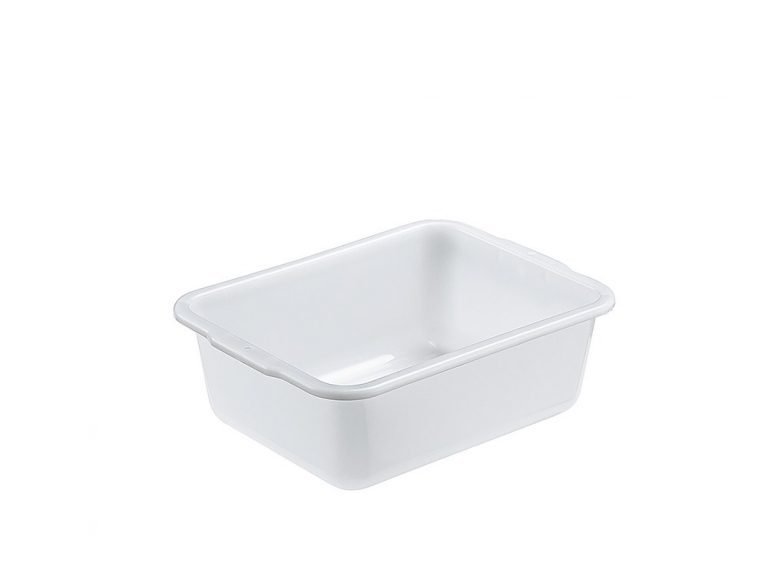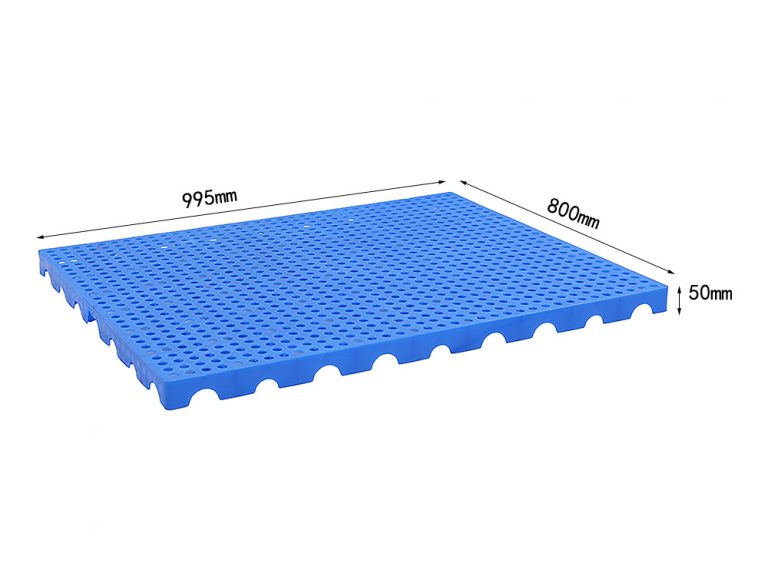
Cup trays and parts bins are the unsung heroes of manufacturing efficiency. These injection-molded plastic storage solutions keep small components organized, protected, and accessible on assembly lines, in warehouses, and across returnable transit loops. The right tray design can cut picking time by 30% and reduce parts damage to near zero.
For end-to-end context, our injection molding complete guide covers process, technology and manufacturing.
This guide covers the types, sizing, materials, and sourcing criteria for cup trays and parts bins used in industrial component storage.
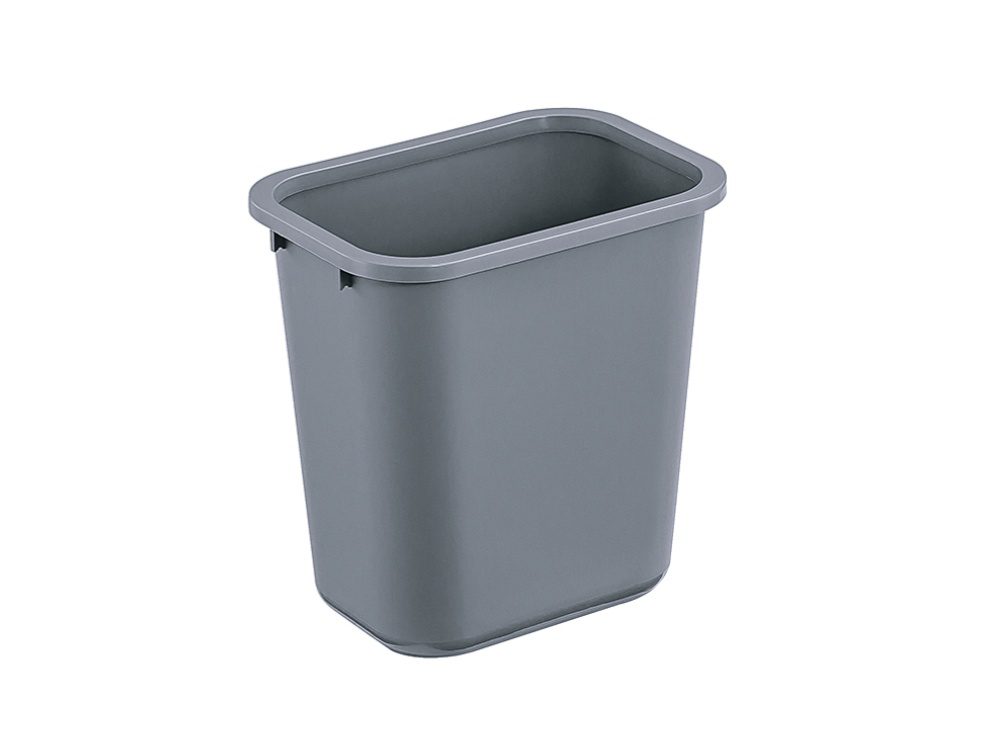
What Are Cup Trays and Parts Bins?
Cup trays (also called component trays, divider trays, or matrix trays) are shallow plastic containers with molded compartments designed to hold individual parts, cups, or small assemblies. Parts bins are deeper, open-front containers typically mounted on shelving or louvered panels for bin-picking operations.
| Feature | Cup Trays | Parts Bins |
|---|---|---|
| Depth | 20–80mm (shallow) | 100–300mm (deep) |
| Access | Top-open, full visibility | Front-open, hopper slope |
| Compartments | Molded grid/matrix | Single bin, optional dividers |
| Mounting | Flat on carts or shelves | Louvered panel or shelf |
| Typical use | Cup/beverage service, small parts kitting | Hardware, fasteners, electronics |
| Stackability | Yes (nested or stack-on) | Yes (vertical stack) |
| Material | PP or HDPE | PP or HDPE |
Cup Tray Types and Applications
1. Beverage Cup Trays
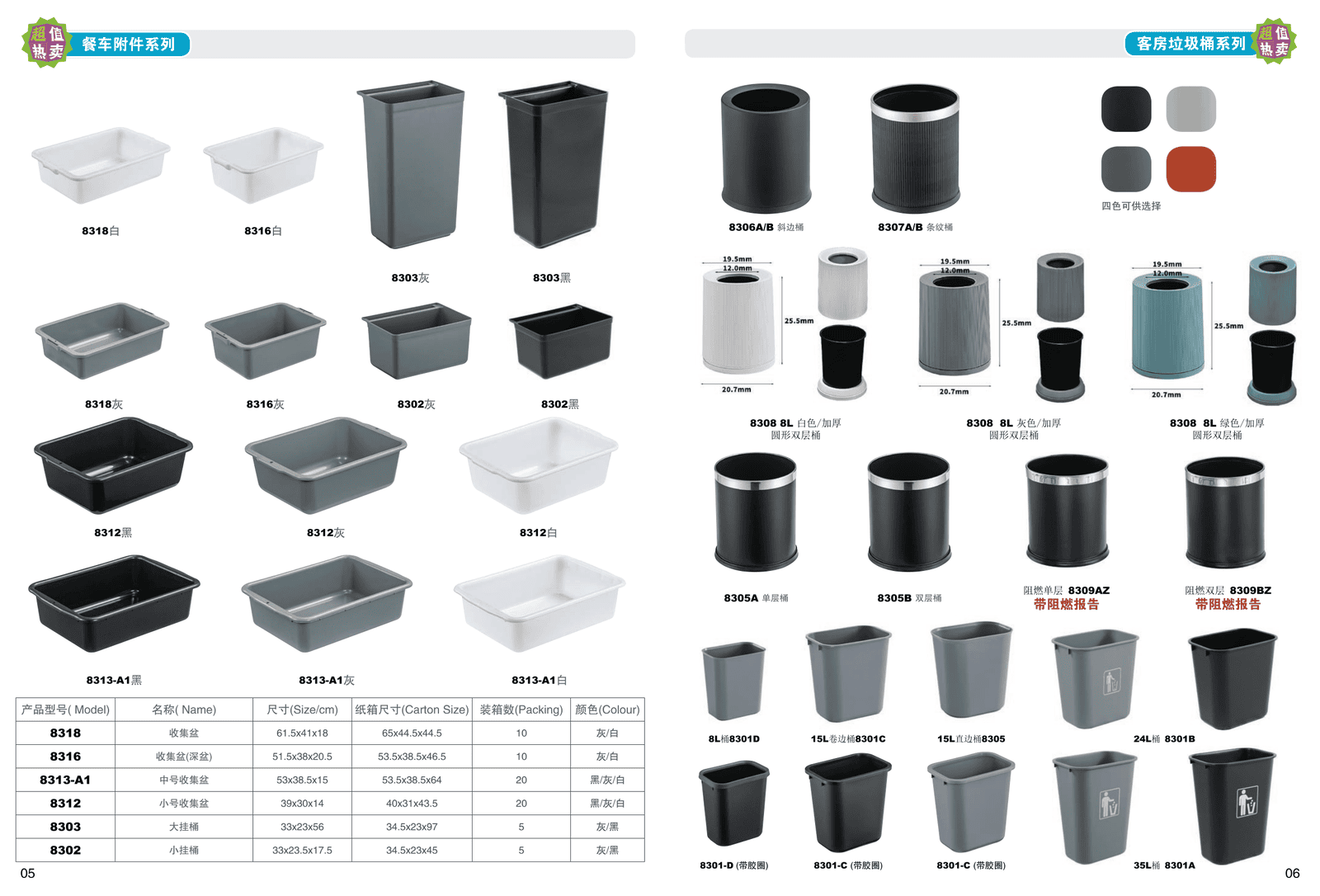
Designed for hotel, restaurant, and catering (HoReCa) use, these trays hold cups, glasses, or tumblers in molded pockets. Common configurations include 4-cup, 9-cup, and 16-cup grids. The tray’s molded pockets prevent tipping during transport on hotel service carts and room service trolleys.
2. Component Kitting Trays
Custom-molded trays with compartments matched to specific part geometries — used in automotive, electronics, and medical device manufacturing. These trays hold parts securely during transport between workstations and can be designed for ESD-safe applications.
3. Returnable Transit Cup Trays
Designed for closed-loop logistics, these trays stack efficiently and survive 100+ round trips. They are common in food service supply chains, where clean trays are delivered full and returned empty for reuse.
Parts Bin Types and Applications
1. Louvered Panel Bins
The industry standard for warehouse and assembly-line picking. These bins hook onto louvered wall panels, allowing vertical organization without shelving. Available in widths from 100mm to 600mm.
2. Stackable Shelf Bins
Open-front bins designed to stack on standard shelving. The hopper-front design tilts contents forward for easy picking. Dividers can create 2–4 compartments per bin.
3. ESD-Safe Parts Bins
Molded from conductive or dissipative carbon-loaded polypropylene, these bins protect electronic components from electrostatic discharge. Surface resistance typically ranges from 10^6 to 10^9 ohms. See our ESD storage containers guide for detailed specifications.
4. Anti-Static Bins
Surface resistance of 10^9 to 10^11 ohms. Less protective than ESD bins but sufficient for general-purpose static control in non-critical areas.
Sizing Guide: Standard Dimensions
Cup Tray Standard Sizes
| Tray Size (L×W) | Cup Capacity | Cup Diameter | Tray Depth |
|---|---|---|---|
| 400×300mm | 4 cups | 70–80mm | 25mm |
| 400×300mm | 9 cups | 60–65mm | 25mm |
| 540×400mm | 16 cups | 70–80mm | 30mm |
| 600×400mm | 25 cups | 60–65mm | 30mm |
| 600×400mm | 9 cups | 100–110mm | 40mm |
Parts Bin Standard Sizes
| Bin Size (L×W×H) | Volume | Load Capacity | Typical Use |
|---|---|---|---|
| 200×100×110mm | 1.2L | 2kg | Small screws, washers |
| 300×150×140mm | 4.5L | 5kg | Bolts, nuts, connectors |
| 400×200×160mm | 10L | 10kg | Electronic components |
| 500×300×200mm | 22L | 15kg | Larger hardware, tools |
| 600×400×240mm | 45L | 25kg | Bulk parts, assemblies |
Note: LSY Plastic manufactures cup trays in both standard and custom sizes. Custom tooling for application-specific tray designs is available with our in-house mold workshop.
Material Selection for Cup Trays and Parts Bins
Polypropylene (PP)
The most common material for both cup trays and parts bins. PP offers excellent impact resistance, good chemical resistance, and survives repeated wash cycles. It is the standard choice for food-service cup trays and general-purpose parts bins.
High-Density Polyethylene (HDPE)
HDPE is used for food-contact applications requiring FDA compliance and for trays used in cold environments. It has better cold-temperature toughness than PP but is slightly less stiff.
ESD-Safe Polypropylene
PP loaded with carbon black or permanent anti-static additives. Used for parts bins in electronics manufacturing, semiconductor handling, and lithium battery component storage.
Food-Grade PP/HDPE
Resins certified to FDA 21 CFR 177.1520 (PP) or 177.1520 (HDPE) for repeated food contact. Required for cup trays used in commercial food service and food storage applications.
Key Design Features to Look For
For Cup Trays
- Molded cup pockets: Should have a 2–3mm draft angle for cup insertion and removal without sticking.
- Rim reinforcement: The tray perimeter should have a reinforced lip for structural rigidity and stacking stability.
- Drainage holes (optional): For wash-down applications, small drainage holes in each pocket prevent water accumulation.
- Stacking feature: Trays should either nest (for empty storage) or stack with positive location (for loaded stacking).
For Parts Bins
- Hopper-front design: The front opening should slope back at 30–45° to keep contents visible and accessible.
- Rear hang tab: For louvered panel mounting, the rear tab should have a positive-lock feature to prevent bin lift-off when full.
- Divider slots: Molded-in slots for adjustable dividers allow compartment customization without separate hardware.
- Label area: A flat, smooth area on the front for barcode labels or part number marking.
- Reinforced stacking rim: The top rim must support the weight of a full bin stacked above it.
Returnable Transit Packaging: Closed-Loop Considerations
When cup trays and parts bins are used in returnable transit packaging (RTP), additional design considerations apply:
- Collapse ratio: Empty trays should nest at 3:1 or better to minimize return-freight volume.
- Durability: Minimum 100 round trips before replacement. PP trays typically achieve 150–200 trips with proper handling.
- Cleanability: Trays must withstand commercial dishwashing (80°C wash, 85°C rinse) for food service applications.
- Traceability: Molded date codes and RFID/tag pockets enable asset tracking in closed-loop pools.
How to Source Cup Trays and Parts Bins
Step 1: Define Your Application
What will the trays or bins hold? What are the part dimensions? What is the operating temperature range? Will they be used in ESD-sensitive areas?
Step 2: Check Standard Sizes First
Standard sizes are significantly cheaper than custom-molded products. Check if any standard tray or bin configuration meets your needs before requesting custom tooling.
Step 3: Request Samples
Order samples at cost price to verify fit, function, and material quality before committing to a full container load. LSY Plastic provides samples at cost price for evaluation.
Step 4: Specify Material and Certifications
For food-contact applications, specify FDA-grade resin. For ESD applications, specify surface resistance range. For outdoor use, specify UV stabilizer.
Step 5: Verify Manufacturing Capability
Your supplier should have injection molding machines in the appropriate tonnage range (180T–2500T for trays and bins), an in-house mold workshop for custom designs, and quality documentation including material test reports.
Custom Cup Tray Development Process
If standard sizes don’t meet your needs, custom tray development follows this process:
- Design consultation: Share part dimensions, quantities per tray, and application requirements.
- Mold flow analysis: CAE simulation verifies fill patterns and identifies potential warpage issues.
- Mold design and fabrication: Tool steel selection (P20 for standard, S136 for food-grade/high-polish).
- First article inspection: Dimensional verification and material testing on first shots.
- Production: Full container load production with per-batch quality control.
LSY Plastic operates a self-owned mold workshop with design, fabrication, and maintenance capabilities, enabling rapid prototyping and cost-effective tooling for custom tray and bin projects.
Why Choose LSY Plastic for Cup Trays and Parts Bins?
With 35+ years of injection molding experience, LSY Plastic is a vertically integrated manufacturer based in Foshan, China. Our capabilities include:
- Injection molding machines from 180T to 2500T (JSW, Mitsubishi, Nippon Steel)
- In-house mold design and fabrication workshop
- Food-grade PP and HDPE resin sourcing with full traceability
- ESD-safe and anti-static material formulations
- Custom tray and bin development from concept to production
- 20,000m² warehouse for finished goods and raw material storage
- OEM partnerships with BYD, OPPO, vivo, and Desay Battery
Get a quote for cup trays and parts bins:
- WhatsApp: +86 19311059570
- Email: fstyx01@lsyplastic.com
We ship full container loads (FCL) worldwide. Samples are available at cost price. Contact us today with your tray or bin specifications.
Need reliable custom injection molded parts? Browse the OEM and ODM injection molding services collection and request a quote.
Frequently Asked Questions
What is the difference between cup trays and parts bins?
Cup trays (also called component, divider or matrix trays) are shallow containers with molded compartments that hold individual items — cups, glasses or components — in fixed pockets. Parts bins are open-front containers for bulk storage and picking of small components on shelves or louvered panels.
Which parts bin should I choose — louvered, shelf or ESD?
Louvered-panel bins hook onto wall panels and are the standard for picking; stackable shelf bins have a hopper front for shelving and flow systems; ESD-safe bins (conductive or dissipative) protect electronic components. Match the bin to your storage furniture and static-control needs.
What materials are cup trays and parts bins made from?
They are injection-molded from PP, HDPE or, for ESD applications, carbon-loaded polypropylene. Material choice sets the temperature range, chemical resistance and static performance, so specify it against your application.
Can cup trays and parts bins be customised?
Yes. As a manufacturer we custom-mould compartment layouts, tray and bin dimensions, wall thickness and colours, and can add labels or foam inserts — useful when a standard size does not match your parts or your assembly line.
Related guide: draft angle requirements in injection molding.
Related guides:
Sink Marks in Injection Molding: Causes & Fixes