
Short answer: Color-coded food storage bins reduce cross-contact risk, speed up inventory rotation and make HACCP checks visual. By assigning a fixed color to each allergen group, raw material type or production zone, kitchens turn complex food-safety rules into simple, mistake-proof habits.
At LSY Plastic, we manufacture food-grade plastic storage bins, white basins and ingredient containers for commercial kitchens across Asia and the Middle East. This guide explains how color coding works, which colors map to which risks, and how to design a FIFO rotation system that auditors can verify in minutes.
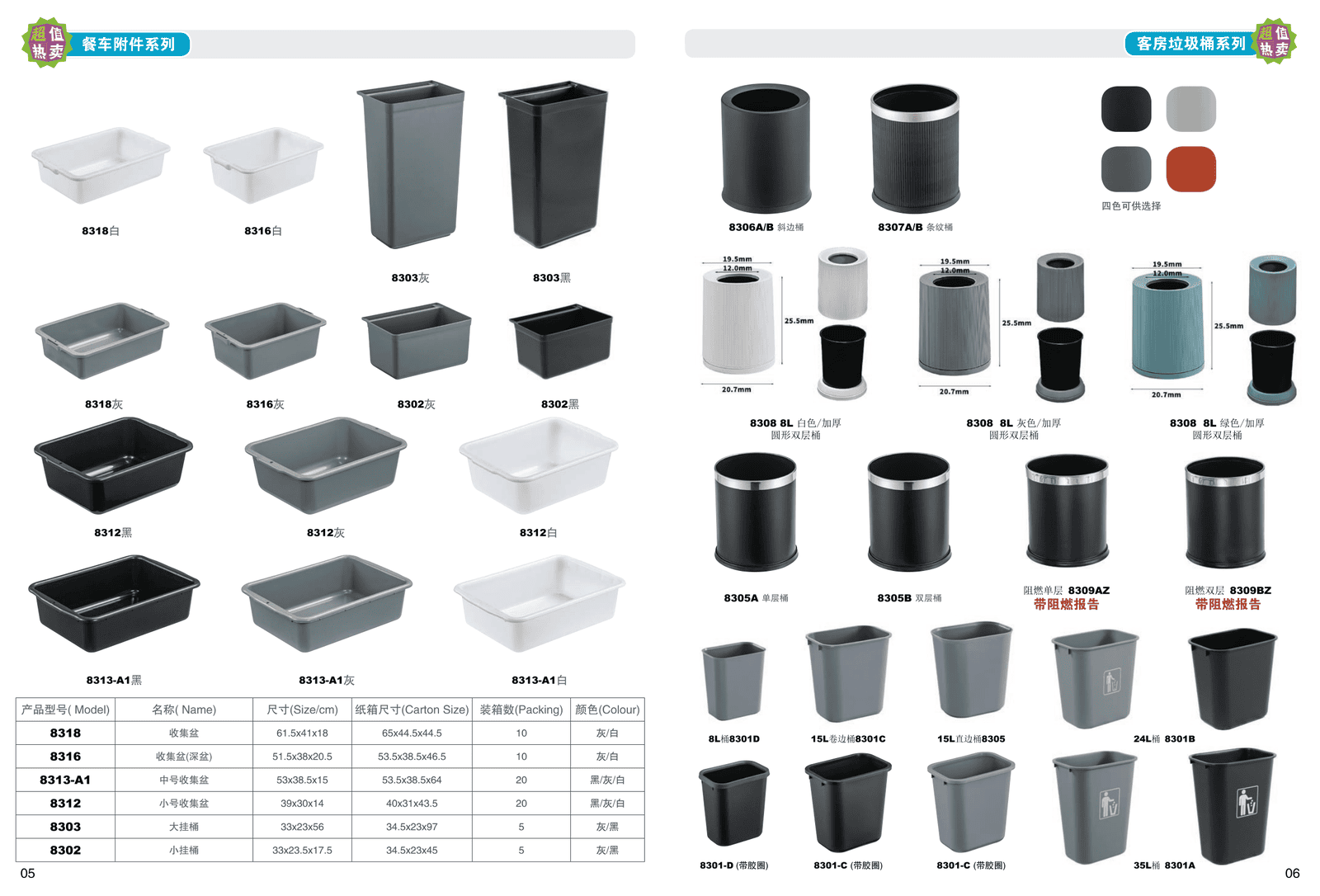
Why Color Coding Matters in Food Safety
Cross-contact is one of the most common causes of undeclared allergen recalls. In a busy kitchen or factory, a bin used for flour can easily be reused for nuts, soy powder or spice blends if all containers look the same. Color coding creates an immediate visual barrier: a purple bin is always for allergen X, a green bin is always for produce, and a red bin is always for raw meat or high-risk ingredients.
Beyond allergens, colors also support:
- Zone separation: blue for low-risk dry goods, yellow for high-care areas, red for raw protein zones
- Material segregation: separating cleaning chemicals from food-contact tools
- Shift handover: new staff understand storage rules without reading long SOPs
- FIFO rotation: paired lid colors or date-label slots make first-in-first-out obvious
Standard Color Map for Food Storage Bins
There is no single global law that forces a specific color, but most food manufacturers follow the voluntary map below because auditors and retail buyers recognize it.
| Color | Typical use | Rationale |
|---|---|---|
| White | Ready-to-eat foods, bakery ingredients | Shows cleanliness; easy to inspect for residue |
| Blue | Raw fish, seafood, cold-chain items | Contrasts with raw meat red; common in HACCP zoning |
| Red | Raw meat and poultry | High-visibility warning color |
| Green | Fresh produce, vegetables | Association with plant-based ingredients |
| Yellow | High-care / high-risk areas | Signals caution and segregation requirement |
| Purple / brown | Known allergens (nuts, gluten, soy, dairy) | Distinct from other food colors |
Some operations add a second color to the lid or use colored clips to mark opened bags. The key is consistency: every site uses the same legend and trains every new employee before they touch ingredients.
How Color-Coded Bins Support FIFO Rotation
FIFO — first in, first out — is required by most HACCP and BRCGS plans. A color-coded system makes FIFO visible when combined with date slots or printed labels. For example:
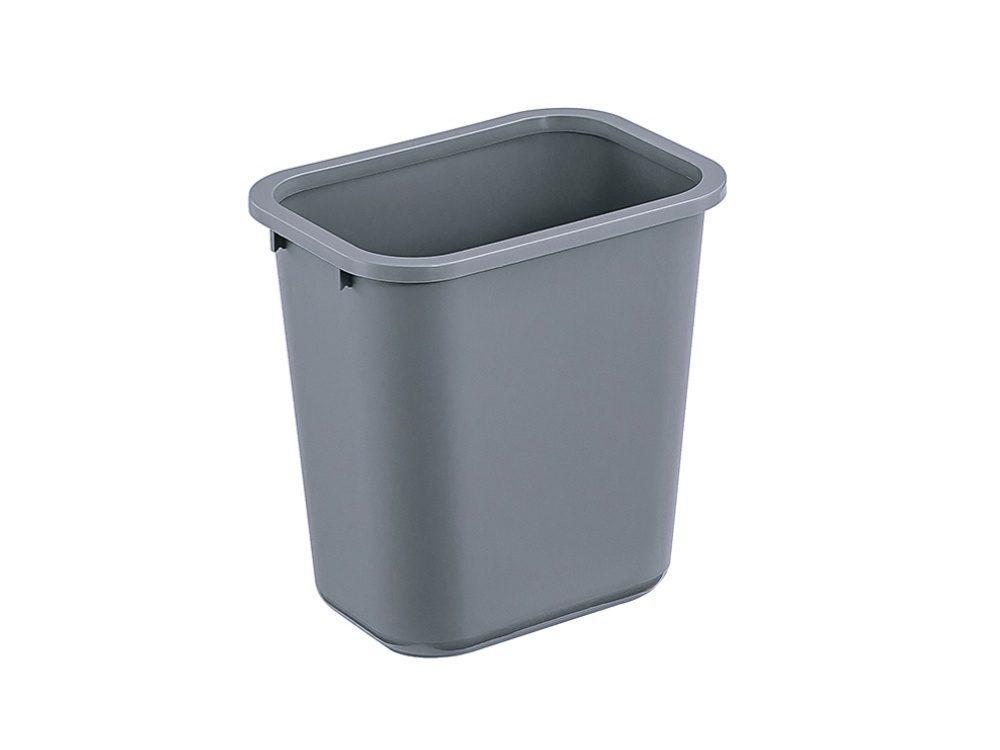
- Receiving: assign a green produce bin on Monday and write the received date on the integrated label slot.
- Storage: place older green bins in front of newer green bins on the same shelf.
- Preparation: kitchen staff always pull from the front green bin first.
- Cleaning: green bins are washed in the produce-zone wash station, never the raw-meat station.
When each color has a dedicated wash cycle and storage location, the risk of raw-meat residue contacting ready-to-eat produce drops sharply. For more on cleaning protocols, see our guide to how to clean and sanitize plastic crates.
Choosing Food-Safe Plastic Bin Materials
Color pigments must be food-safe and non-migrating. LSY Plastic uses FDA- and EU-compliant HDPE and PP resins with stable masterbatch colors that do not bleed into food or wash water. Bins should also be:
- smooth inside and out to prevent bacterial harborage
- resistant to temperatures from freezer (-20 °C) to hot wash (up to 80–95 °C depending on resin)
- stackable or nestable to save cold-room space
- available with tight-fitting lids to protect against dust and pests
For white basins and ingredient tubs commonly used in Asian commercial kitchens, see our guide to white plastic food storage basins.
Audit-Ready Documentation
Auditors usually ask for three things: a written color legend, staff training records, and physical evidence that the system is used. Keep the legend posted at receiving, storage and prep areas. Photograph bin placement during internal audits. If bins are embossed with lot numbers or traceability codes, record those in your inventory system.
FAQ
Can I use any color I want for food storage bins?
Yes, as long as the legend is documented and staff are trained. However, using recognized industry colors makes audits faster and reduces confusion when new employees join.
Do colored plastic bins cost more than white bins?
Typically 5–15% more depending on pigment and batch size. The cost is usually recovered through reduced waste, faster inspections and fewer recall risks.
Are color-coded bins dishwasher and freezer safe?
Food-grade HDPE and PP bins withstand commercial dishwashers and standard freezer temperatures. Always confirm the specific temperature rating with your supplier.
Source Color-Coded Food Bins from LSY Plastic
LSY Plastic supplies stackable, nestable and lidded food-grade storage bins in custom colors and embossed logos. With 35+ years of injection molding experience and OEM programs for food-service brands, we can match your HACCP color chart and deliver consistent batch colors.
Send your color legend and bin size requirements to WhatsApp +86 19311059570 or email fstyx01@lsyplastic.com. We will recommend the right capacity, material and lid style for your kitchen or factory.
Related reading: plastic storage containers hub — food-grade bins, crates and container selection.
Need reliable plastic storage containers? Browse the Commercial & Home Storage collection and request a quote.



