Essential Storage Container Guides
📦 Plastic Storage Containers Buying Guide
Our complete B2B buying guide covers material selection, size calculations, and supplier evaluation.
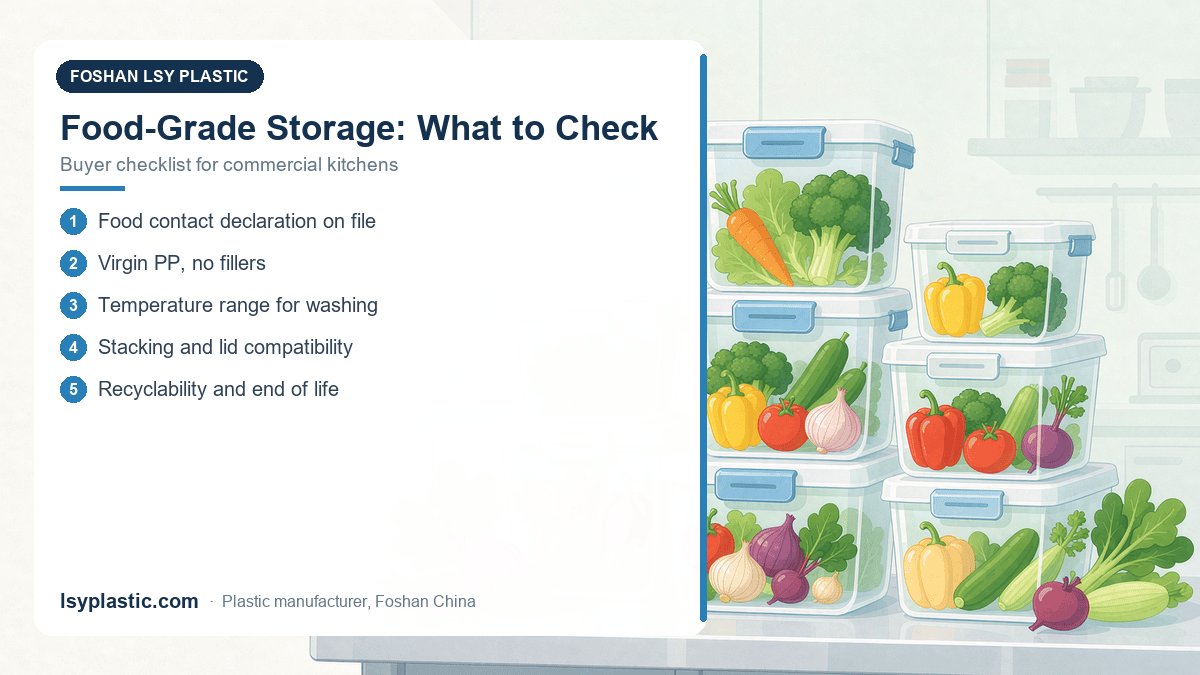
🛡️ Food Grade Plastic Bins Safety Standards
Compliance is critical for food contact containers. Our safety standards guide covers FDA, EU, and GB regulations.
♻️ Plastic Bin Recycling Guide
Sustainable end-of-life management: our recycling guide explains recycling codes, processes, and program setup.
📦 Plastic Crate Selection Guide
Choosing the right crate: our selection guide covers types, materials, and buying tips.
📐 Plastic Crate Stacking Guide
Maximize warehouse space: our stacking guide covers patterns, weight limits, and safety rules.
🗑️ Waste Bin Manufacturer Guide
Choosing a waste bin supplier: our manufacturer guide helps you evaluate quality and reliability.
🌍 Importing Plastic Products from China
Our import guide covers customs, quality control, and shipping for B2B buyers.
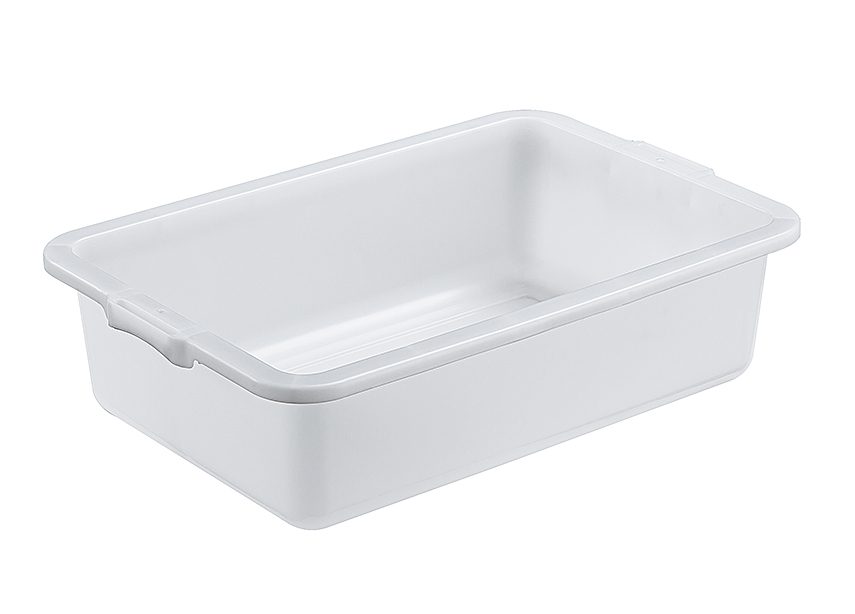
Browse Storage Products
Explore our industrial storage products and environmental sanitation products.
Need Expert Help?
Contact LSY Plastic for custom storage container solutions and bulk ordering.
Frequently Asked Questions
What are food-grade plastic containers made of?
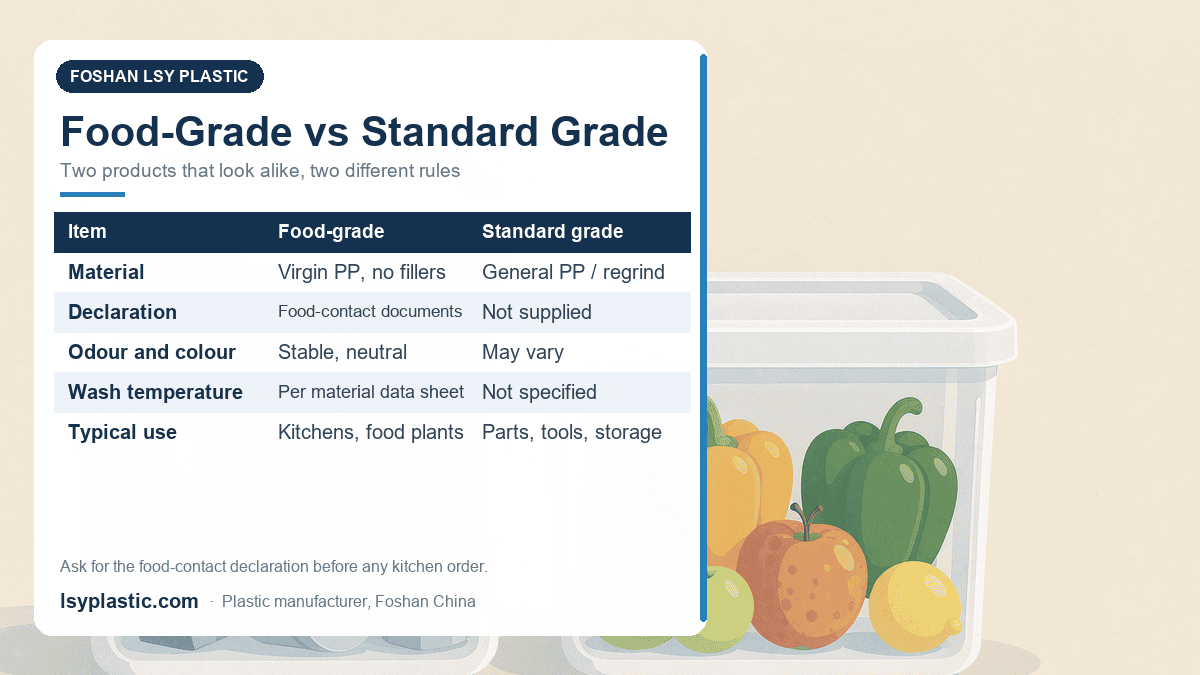
Food-grade plastic containers are typically made from HDPE (High-Density Polyethylene) or PP (Polypropylene), both FDA-approved for food contact. They must meet FDA 21 CFR, EU 10/2011, or GB 4806 standards.
How do I choose the right plastic storage container size?
Consider your product dimensions, stacking requirements, warehouse height, and forklift compatibility. Standard sizes include 600x400mm and 400x300mm footprint containers. Calculate volume needs and plan for 20% growth.
Can plastic storage containers be stacked safely?
Yes, most plastic storage containers are designed for stacking. Check the manufacturer’s rated stacking load (typically 4-6 containers high). Always follow weight limits and use proper stacking patterns for stability.
How do I recycle old plastic storage containers?
Most HDPE (#2) and PP (#5) containers are recyclable. Check the recycling code on the bottom. Contact local recycling facilities, or return to manufacturers like LSY Plastic who offer recycling programs for bulk quantities.
Related Products
More Expert Guides
🗑️ Waste Bin Manufacturer Guide
Choosing a waste bin supplier: our manufacturer guide helps you evaluate quality and reliability.
🌍 Importing Plastic Products from China
Our import guide covers customs, quality control, and shipping for B2B buyers.
📐 Plastic Crate Stacking Guide
Maximize warehouse space: our stacking guide covers patterns, weight limits, and safety rules.
📦 Plastic Crate Selection Guide
Choosing the right crate: our selection guide covers types, materials, and buying tips.
♻️ Plastic Bin Recycling Guide
Sustainable end-of-life management: our recycling guide explains recycling codes, processes, and program setup.
🛡️ Food Grade Plastic Bins Safety Standards
Compliance is critical for food contact containers. Our safety standards guide covers FDA, EU, and GB regulations.
📦 Plastic Storage Containers Buying Guide
Our complete B2B buying guide covers material selection, size calculations, and supplier evaluation.
Browse Storage Products
Explore our industrial storage products and environmental sanitation products.
Need Expert Help?
Contact LSY Plastic for custom storage container solutions and bulk ordering.
Frequently Asked Questions
What are food-grade plastic containers made of?
Food-grade plastic containers are typically made from HDPE (High-Density Polyethylene) or PP (Polypropylene), both FDA-approved for food contact. They must meet FDA 21 CFR, EU 10/2011, or GB 4806 standards.
How do I choose the right plastic storage container size?
Consider your product dimensions, stacking requirements, warehouse height, and forklift compatibility. Standard sizes include 600x400mm and 400x300mm footprint containers. Calculate volume needs and plan for 20% growth.
Can plastic storage containers be stacked safely?
Yes, most plastic storage containers are designed for stacking. Check the manufacturer’s rated stacking load (typically 4-6 containers high). Always follow weight limits and use proper stacking patterns for stability.
How do I recycle old plastic storage containers?
Most HDPE (#2) and PP (#5) containers are recyclable. Check the recycling code on the bottom. Contact local recycling facilities, or return to manufacturers like LSY Plastic who offer recycling programs for bulk quantities.
Related Products
🗑️ Waste Bin Manufacturer Guide
Choosing a waste bin supplier: our manufacturer guide helps you evaluate quality and reliability.
🌍 Importing Plastic Products from China
Our import guide covers customs, quality control, and shipping for B2B buyers.
All food storage container guides in this cluster
- Plastic Parts Bins for Warehouse Picking: Building a Shelf, Trolley and Flow System
- Antibacterial Plastic Storage Bins: Healthcare and Food Service Buying Guide (2026)
- Plastic Cup Racks and Parts Bins: Organizing Hospitality Service Areas
- Industrial Plastic Bins vs Metal Bins: Which Is Better? (2026)
- 5 Residue-Free Disinfection Methods for Kids Plastic Dining Chairs: The Complete Guide for Childcare Facilities
- High-Temperature Testing of Plastic Kitchen Utensils: 2 Materials That Fail Frying Tests
- Commercial Dishwasher Racks: How Hotels & Restaurants Choose the Right Glass Rack, Peg Rack, Cutlery Basket, and Trolley
- Why Are Kitchen Utensils Mostly Made of Plastic? (2026)
- Color-Coded Food Storage Bins: Allergen Control and FIFO Rotation in Commercial Kitchens
- Commercial Food Storage Basins: Sizing, Materials and HACCP Use
- Color Coded Crates for Food Safety: Preventing Cross-Contamination in Processing Plants
- White Plastic Food Storage Basins for Commercial Kitchens: Sizes and Uses
- Food Storage Container Temperature Guide: Freezer, Microwave and Dishwasher Use
- Food Grade Storage Bins: A BPA-Free Buying Guide for Commercial Kitchens
- How to Clean and Sanitize Plastic Food Containers: Commercial Kitchen Protocols
Related guides:
Plastic Storage Container Temperature Ratings: Hot Food, Freezer and Mic
Stackable vs Nestable Plastic Containers: Which Design Saves More Space
🌍 Buyer Guides in Your Language
🇸🇦🇦🇪 أحواض تخزين الطعام البلاستيكية: دليل المشتري في السعودية والإمارات (العربية)
🇻🇳 Hộp đựng thực phẩm nhựa: cẩm nang mua hàng từ nhà máy cho Việt Nam (Tiếng Việt)
🇲🇾 Bekas Makanan Plastik: Panduan Pembeli Dari Kilang untuk Malaysia (Bahasa Melayu)
🇫🇷 Bacs Alimentaires Plastique : Guide d’Achat Usine pour l’Afrique francophone (Français)
🇹🇭 ถังอาหารพลาสติก Food Grade 8312-8318: คู่มือผู้ซื้อจากโรงงานสำหรับประเทศไทย (ภาษาไทย)