Short answer: No. Plastic pallets are exempt from ISPM-15 because the regulation applies only to wood packaging material. But there is more an exporter should know — customs officers in some ports still inspect pallets, and food or agricultural shipments carry separate cleanliness requirements. This guide explains exactly what ISPM-15 covers, why plastic is exempt, and how to document it for smooth clearance.
What Is ISPM-15?
ISPM-15 (International Standards for Phytosanitary Measures No. 15) is a rule published by the IPPC (International Plant Protection Convention) governing wood packaging material in international trade: pallets, crates, dunnage, and reels. Because raw wood can carry insects, nematodes, and fungi, ISPM-15 requires that wood packaging be heat-treated or fumigated and stamped with the official IPPC mark.
The standard applies to shipments crossing borders into most major economies — the United States, EU member states, Australia, New Zealand, China, Canada, and dozens more. If you ship goods on a wooden pallet without the ISPM-15 stamp, the shipment can be refused entry, re-exported at your cost, or destroyed.
Why Plastic Pallets Are Exempt
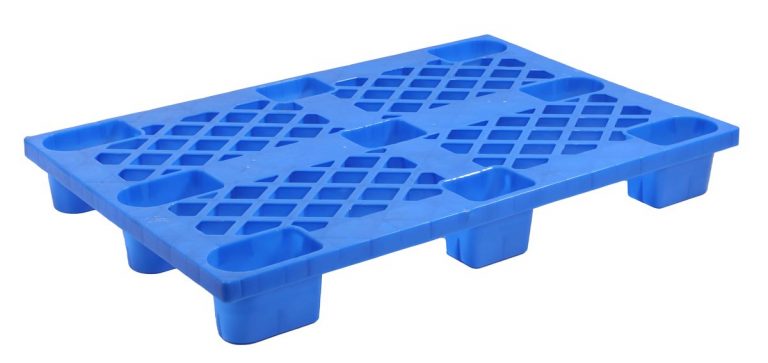
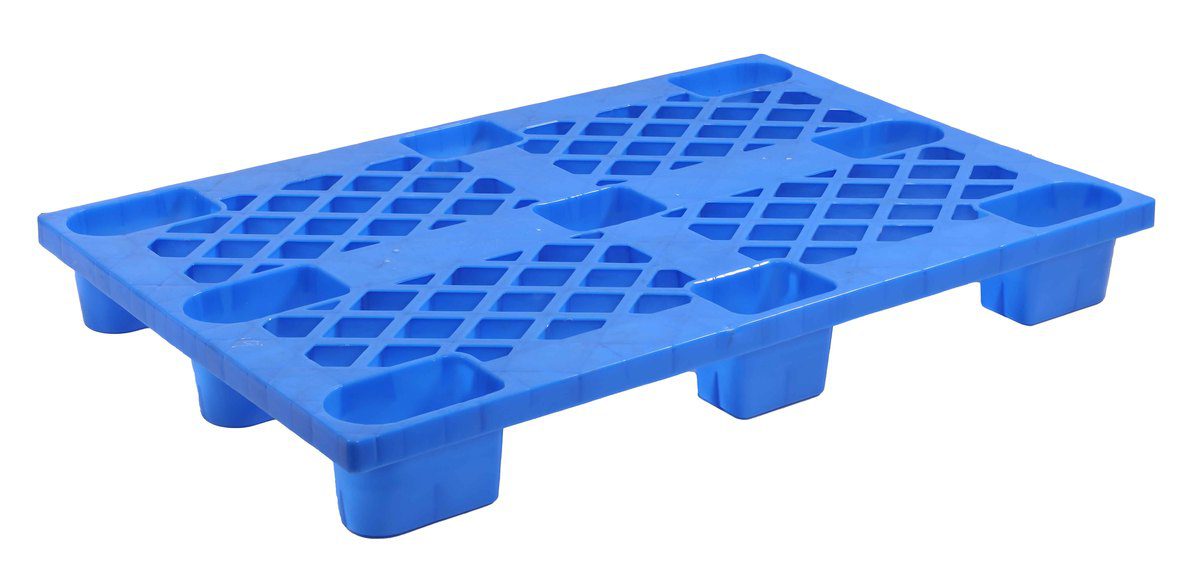
ISPM-15 defines its scope as “wood packaging material” — solid wood components. Engineered wood products like plywood, OSB, and particle board are generally exempt, and so are pallets made entirely of plastic, metal, or corrugated cardboard. The reason is biological: plastic is an inhospitable material. It cannot harbor wood-boring insects, wood-inhabiting fungi, or plant pathogens.
So when a buyer asks “do plastic pallets need heat treatment for export?”, the answer is documented: no treatment, no stamp, no certification fee, no fumigation schedule to coordinate. This exemption is one of the quiet reasons plastic pallet adoption keeps growing in export logistics — the full economics are covered in our plastic pallet lifespan and cost-per-trip analysis.
Wood vs Plastic: Compliance Comparison Table
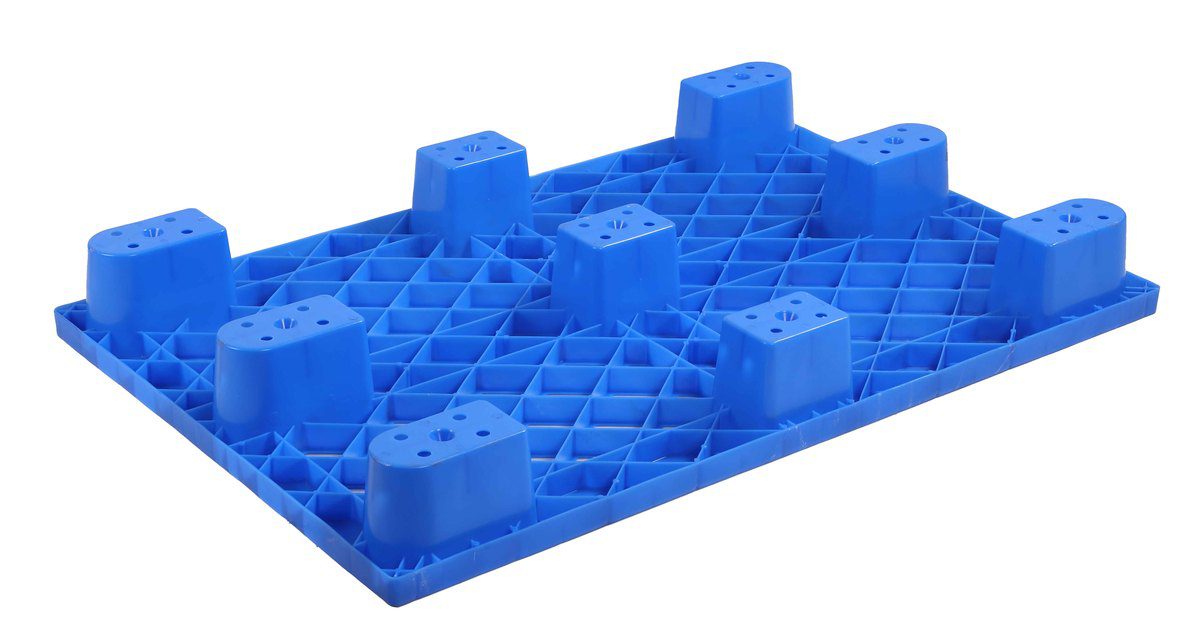
| Requirement | Wood Pallet (Solid Wood) | Plastic Pallet (HDPE/PP) |
|---|---|---|
| ISPM-15 treatment | Required (heat treatment or fumigation) | Not required — exempt |
| IPPC stamp | Required on pallet | Not applicable |
| Treatment certificate / records | Supplier must provide | Not applicable |
| Customs inspection risk | Stamp and wood condition checked | Occasionally visually checked |
| Reuse across shipments | Stamp must remain legible; damaged wood fails | Unlimited reuse, no stamp to wear off |
| Food/pharma cleanliness | Dust, splinters, moisture absorption | Washable, smooth surfaces |
The Caveats Exporters Should Still Know
1. Some Buyers Ask for Documentation Anyway
Sophisticated buyers in food and pharmaceutical supply chains sometimes request a letter or datasheet confirming pallets are non-wood and therefore ISPM-15 exempt. This is easy to provide — ask your supplier for a material declaration letter stating the pallets are 100% HDPE or PP. We issue these letters routinely for export shipments.
2. Cleanliness Rules Replace Pest Rules
Plastic pallets entering food, feed, or agricultural supply chains face different scrutiny: they must be visibly clean and free of soil, plant debris, and organic residues. Australia and New Zealand biosecurity officers are particularly strict — a dirty plastic pallet can trigger a clean-down order or treatment cost even though it is pest-exempt. Export-grade plastic pallets with smooth, non-porous surfaces pass these inspections easily.
3. Radio-Frequency Identification and Traceability
Large retail and pharma programs (GS1, EPA drug supply chain rules) increasingly expect pallet-level traceability. Plastic pallets accept molded-in or embedded RFID tags far more durably than wood. If you are shipping into these channels, confirm tag options with your supplier early.
When Exporters Choose Plastic Specifically for Compliance
- High-return logistics — closed-loop export pools where the pallet comes back; plastic survives 100+ trips. See plastic pallet lifespan data.
- Moisture-sensitive cargo — plastic does not absorb water or grow mold in container condensation, a common cause of wood pallet rejection claims.
- Repeat destinations with strict biosecurity — Australia, NZ, and island nations where any wood packaging issue means expensive delays.
- Cleanroom and pharma exports — no splinters, no dust, no chemical fumigation residue.
For a broader comparison of materials, read plastic vs metal pallets and HDPE vs PP pallets.
Sizing and Loading Considerations for Export Pallets
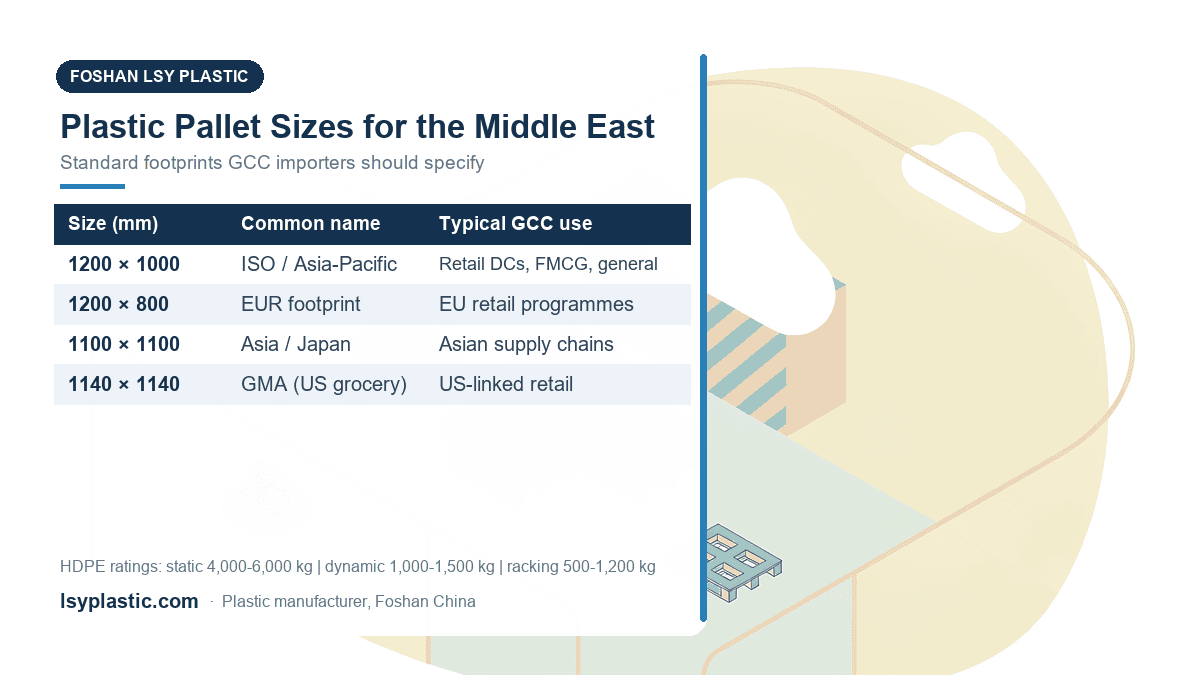
Exemption from ISPM-15 does not change the physical logistics. Export pallets still need the right footprint for destination racking and container plans. Most export flows use 1200×1000mm or 1200×800mm (EUR) footprints for container loading; US-bound shipments favor 48×40 inch. Our complete plastic pallet sizes and dimensions guide maps standards by region, and the pallet weight guide covers how pallet weight affects freight quotes for air vs sea.
Load ratings matter too: confirm static, dynamic, and racking load for your stacking plan. Our load capacity ratings explained article breaks down all three numbers.
plastic pallets buyers: our Plastic Pallets range covers the specifications outlined in this guide.
Frequently Asked Questions
Does ISPM-15 apply to pallets made of plywood?
No. Plywood, particle board, and OSB are considered processed wood products and are exempt, provided they are made entirely of those materials. However, pallets combining solid wood blocks with plywood decks DO require treatment and stamping.
Do I need any certificate to prove my plastic pallets are compliant?
No certificate is required by ISPM-15 itself. A voluntary material declaration letter from the manufacturer speeds up any questions at destination customs.
Are plastic pallets accepted in every country?
Yes for import compliance. Some countries apply anti-dumping or preferential duties on plastic products separately from pallet rules — check HS code 3923.90 classification with your freight forwarder.
Can I use plastic pallets for air freight?
Yes, and their lighter weight reduces freight cost. Typical HDPE pallets weigh 7-20 kg vs 20-25 kg for comparable wood pallets.
More answers in our plastic pallet FAQ (20 questions).
Source ISPM-15-Exempt Pallets From the Manufacturer
LSY Plastic manufactures export-grade HDPE and PP pallets with full material declarations, batch-consistent quality, and OEM marking options. We supply warehouse and logistics equipment to importers and distributors worldwide. Contact us with your destination country and load requirements — we will confirm the compliant configuration and quote wholesale pricing within 24 hours.