Summary: A mop bucket with wringer is the workhorse of every hotel housekeeping department, yet most buyers pick one based on price alone. This guide explains bucket capacities (18-44L), wringer types, wheel configurations, and material quality so facilities managers can choose trolleys that last years instead of months.
Why the Right Mop Bucket Trolley Matters
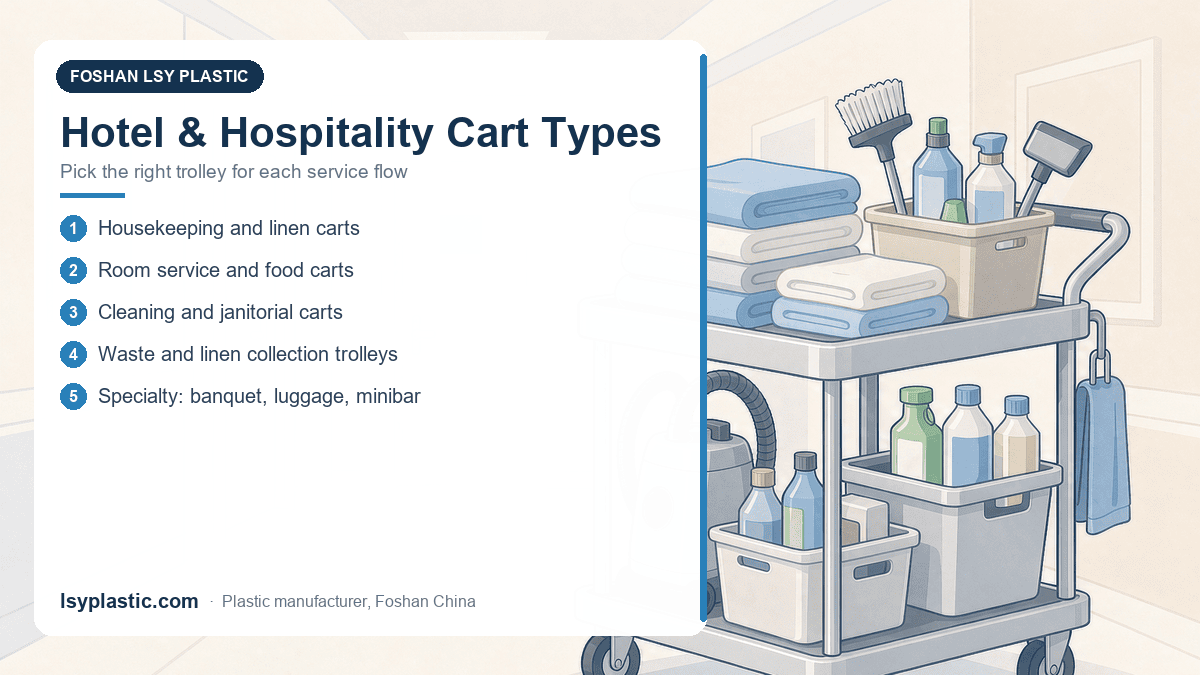
Walk into any hotel back-of-house corridor and you will find a mop bucket trolley doing silent, constant work. Housekeeping teams push these units 10-20 kilometers per week through guest floors, banquet halls, and restrooms. A poorly chosen unit cracks at the wringer mount within months, wobbles on worn casters, and slows down room turnover.
The right unit does the opposite. A well-built housekeeping trolley system with a matching mop bucket keeps cleaning solution contained, separates clean and dirty water, and rolls smoothly for years. For hotels running 100+ rooms, the difference compounds into measurable labor savings.
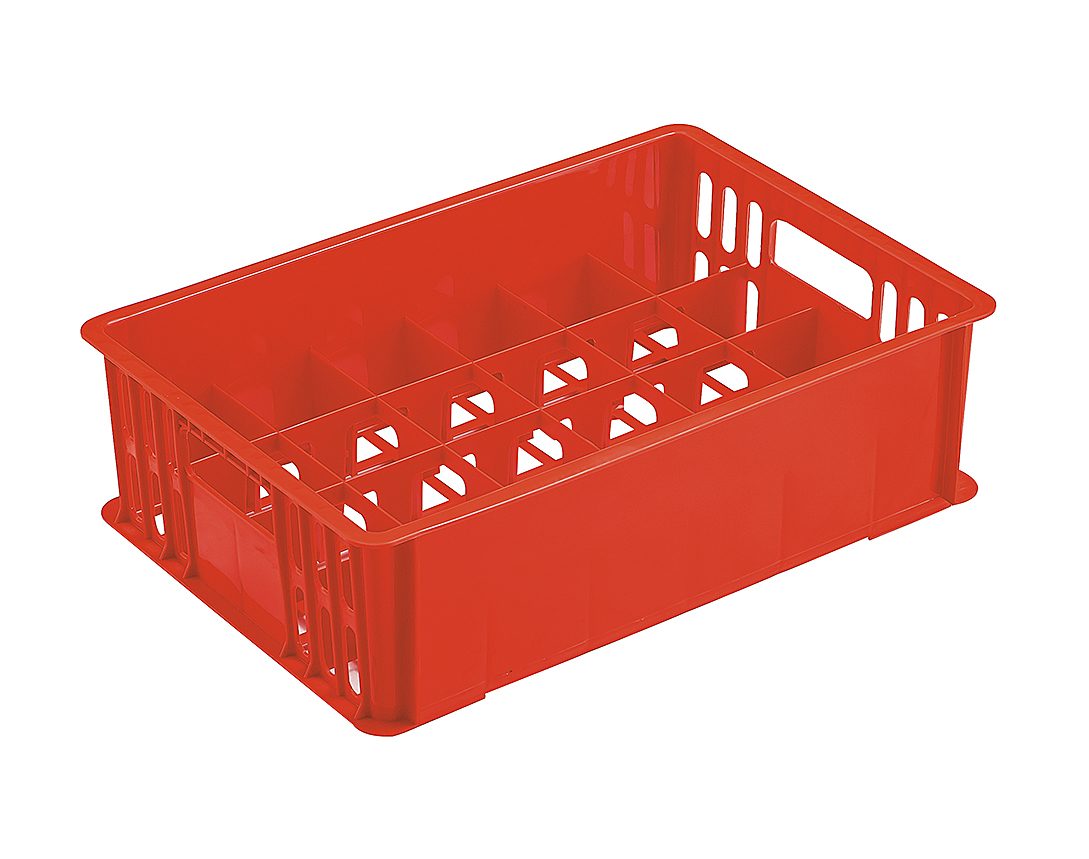
As a plastic injection molding manufacturer that has supplied cleaning equipment to hotel groups for over 20 years, we have seen exactly which features separate units that survive daily commercial use from those that fail. Here is the complete checklist.
Mop Bucket Capacities: 18L to 44L Explained
Capacity determines how much floor area one fill covers and how heavy the unit is to push. Commercial mop buckets typically range from 18 liters to 44 liters:
| Capacity | Best For | Floor Coverage Per Fill | Full Weight (Approx.) |
|---|---|---|---|
| 18-22L | Guest bathrooms, small offices, spot cleaning | 150-250 m² | ~20-25 kg |
| 26-32L | Standard hotel floors, restaurants, retail | 250-400 m² | ~28-35 kg |
| 36-44L | Lobbies, banquet halls, warehouses, outdoor areas | 400-600 m² | ~38-48 kg |
Rule of thumb: buy the largest capacity your staff can safely maneuver. Fewer refills means faster cleaning cycles. If your team cleans restrooms primarily, a 26-32L bucket hits the sweet spot between coverage and weight.
Wringer Types: Side-Press vs Down-Press
The wringer is the component that fails first on cheap units. There are two mainstream designs:
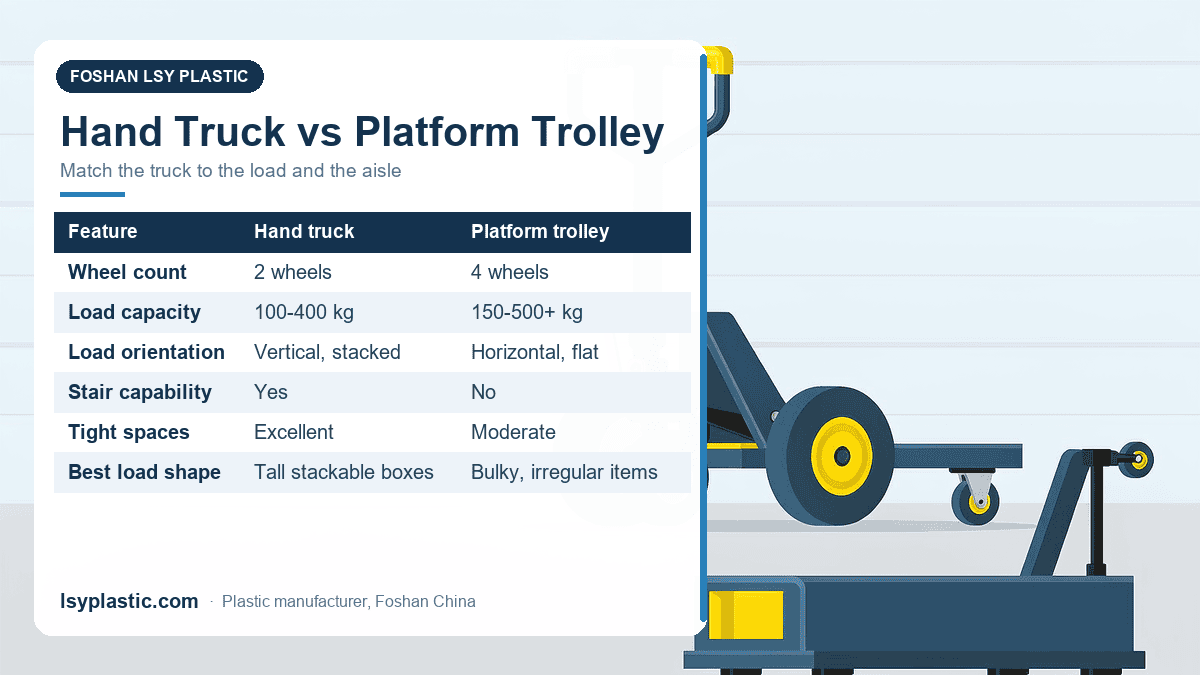
See the Mop bucket hub for the full range and specifications.
Side-Press Wringer
The press plate pushes horizontally against the mop head inside the cone. Side-press wringers are easier to operate with one hand and extract 40-50% of water from a wet mop. They suit light and medium-duty mops (240-350g).
Down-Press (Cone) Wringer
A vertical handle drives the cone down onto the mop. Down-press designs extract more water (50-60%), which matters for safety on slippery lobby floors. They handle heavier mops (400-600g) and last longer under intensive use.
Buyer tip: check the wringer material. Injection-molded PP wringers with ribbed reinforcement resist cracking; recycled-plastic wringers often develop stress fractures at the handle hinge within 6-12 months of commercial use. Our certified food-grade and industrial-grade materials are tested to 50,000+ press cycles.
Bucket Body Material: Why Virgin HDPE/PP Wins
Mop buckets live a hard life: cleaning chemicals, hot water, drops, and UV exposure on loading docks. Material choice decides lifespan:
- Virgin HDPE — excellent chemical resistance, survives bleach and quaternary ammonium disinfectants, flexible at low temperatures (does not crack in cold storage areas). Best for buckets.
- Virgin PP — stiffer than HDPE, better for wringer cones and press mechanisms where rigidity matters.
- Recycled blends — 30-50% cheaper upfront, but micro-cracks form around the wheel mounts and wringer seat. Total cost of ownership is higher after the first replacement.
Look for buckets with a graduated fill line printed in liters and gallons — it helps staff mix chemicals correctly, a small detail that prevents both wasted chemical and damaged floors.
Wheel Configuration: The Most Overlooked Spec
A full 36L bucket weighs over 30 kg. Wheels carry all of it. Commercial-grade configurations:
- Standard 4-caster setup — two fixed, two swivel with brake. Fine for flat hotel corridors.
- 5-wheel trolley base — adds a center caster, distributing weight and preventing tipping when wringing. Recommended for 36L+ buckets.
- Wheel material — non-marking rubber or TPR for polished hotel floors; nylon for industrial areas. Never hard plastic on marble or tile; it scratches and gets loud.
Caster diameter matters too: 75-100mm wheels roll over elevator thresholds and dock plates far more easily than 50mm wheels. For guidance on equipping a full housekeeping fleet, see our commercial cleaning cart buying guide.
Color Coding: A Hygiene Requirement, Not a Trend
Modern hotels follow color-coded cleaning systems (red for restrooms, blue for general areas, yellow for kitchens, green for public spaces) to prevent cross-contamination. Buying mop buckets in multiple colors is now standard practice for any property audited under HACCP or international hygiene standards.
Our buckets are produced in consistent batch colors using masterbatch pigments, so a red bucket ordered today matches the red bucket ordered next year — important when you scale a color system across multiple properties. For the waste side of your hygiene program, pair them with color-coded trash bins.
Mop Bucket Trolley vs. Full Housekeeping Cart
Should you buy standalone bucket trolleys or integrate buckets into a housekeeping cart? The answer depends on workflow:
- Standalone bucket trolley — for dedicated floor-care teams, night shift, and contract cleaners. Cheaper, more maneuverable, easy to replace individually.
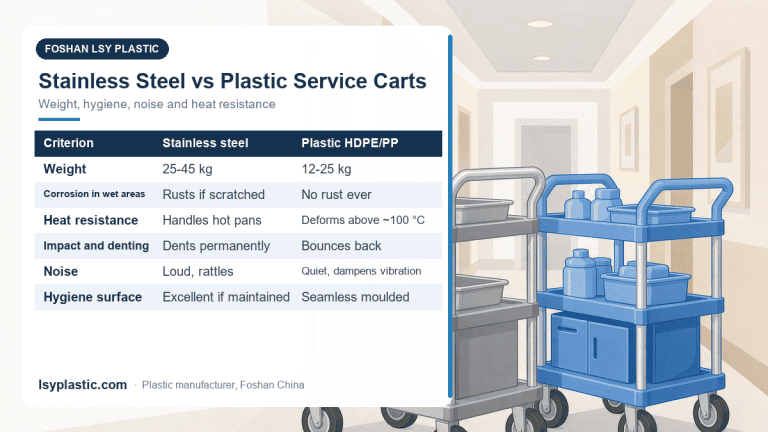
- Housekeeping cart with bucket module — for room attendants who clean guest rooms and need linens, amenities, and cleaning tools together. See our hotel linen cart guide for the linen side of that equation, or compare housekeeping carts vs. linen carts in detail.
Complete Buying Checklist
- ✅ Capacity matched to floor area (26-32L for most hotels)
- ✅ Wringer type matched to mop weight (down-press for 400g+ mops)
- ✅ Virgin HDPE bucket body with graduated fill lines
- ✅ 5-wheel base for 36L+ buckets
- ✅ Non-marking casters, 75mm minimum
- ✅ Batch-consistent colors for coding systems
- ✅ Molded-in reinforcement ribs at wringer seat and wheel mounts
- ✅ Spare parts availability (wheels and wringer cones are consumables)
Why Buy From a Manufacturer
Trading companies rebrand generic buckets; manufacturers control the mold. With 57 mop bucket and wringer models spanning 18-44L, we run 180T to 2500T injection machines that produce both small wringer cones and large trolley bases in-house. That means: consistent wall thickness, custom colors from 500 units, and OEM logos molded directly into the bucket — not printed stickers that wash off. Learn more about our factory and production capacity.
Get a Quote
LSY Plastic supplies mop bucket wringer trolleys, hotel service carts, and warehouse logistics equipment to hotels, cleaning contractors, and distributors worldwide. Tell us your room count and floor types — we will recommend the right configuration and send wholesale pricing within 24 hours. Contact us or request a quote today.
Ready to compare options? Browse our Kitchen Cleaning & Mop Systems range for mop bucket trolleys.
Frequently Asked Questions
What mop bucket capacity should a hotel choose?
For hotels and commercial cleaning, 24L to 32L is the best all-round size. Choose 18L for small guest areas, and 40L and above (up to 44L) for lobbies, hospitals and industrial floors where larger coverage means fewer refills.
Side-press or down-press wringer, which is better?
A side-press wringer is lighter and cheaper, good for light commercial use. A down-press drives a plate straight down for a drier mop with less effort, which suits heavy daily use in hotels and hospitals.
Why does bucket body material matter?
Virgin HDPE or PP resists the detergents used daily, will not rust like metal and stays light when full. Recycled or thin material cracks at the base and handle, the two failure points, within months of daily hotel use.
What wheel configuration should I pick?
This is the most overlooked spec. Use two swivel plus two fixed casters for straight corridors, four swivel for tight manoeuvring, and larger 100mm to 125mm wheels for rough floors. LSY moulds these trolleys from virgin PP and HDPE; no MOQ for domestic orders, overseas orders ship FCL.