When a warehouse or farm needs to move high volumes of produce, parts, or bulk goods, standard crates are too small. That is where plastic bulk crates in the 488L to 850L range come in. These large-format containers replace wooden bins, cardboard pallet boxes, and welded metal cages with one durable, washable, stackable solution. This guide explains the sizes, load ratings, and applications buyers should understand before ordering.
Why Choose Large Plastic Bulk Crates?
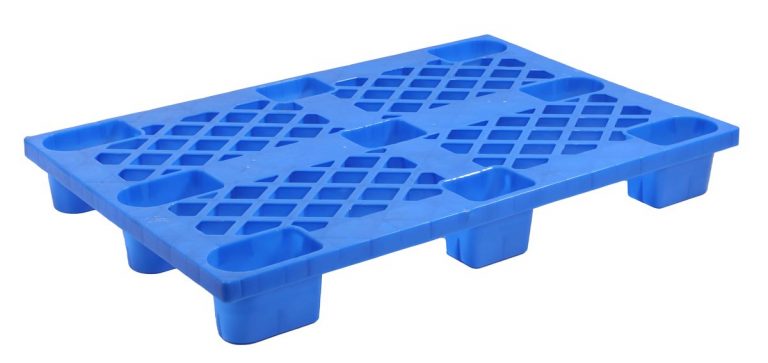
Bulk crates are designed for one job: carrying heavy loads on a plastic pallet, forklift, or pallet jack without breaking. Compared with smaller totes, they reduce handling steps because one crate holds what used to take six to ten standard boxes. Compared with wooden bins, they are lighter, splinter-free, washable, and consistent in size year after year.
For produce operations, the ventilated versions keep air moving through the load, which slows spoilage during harvest and transport. For manufacturing and logistics, the rigid walls protect contents and the stackable design saves floor space.
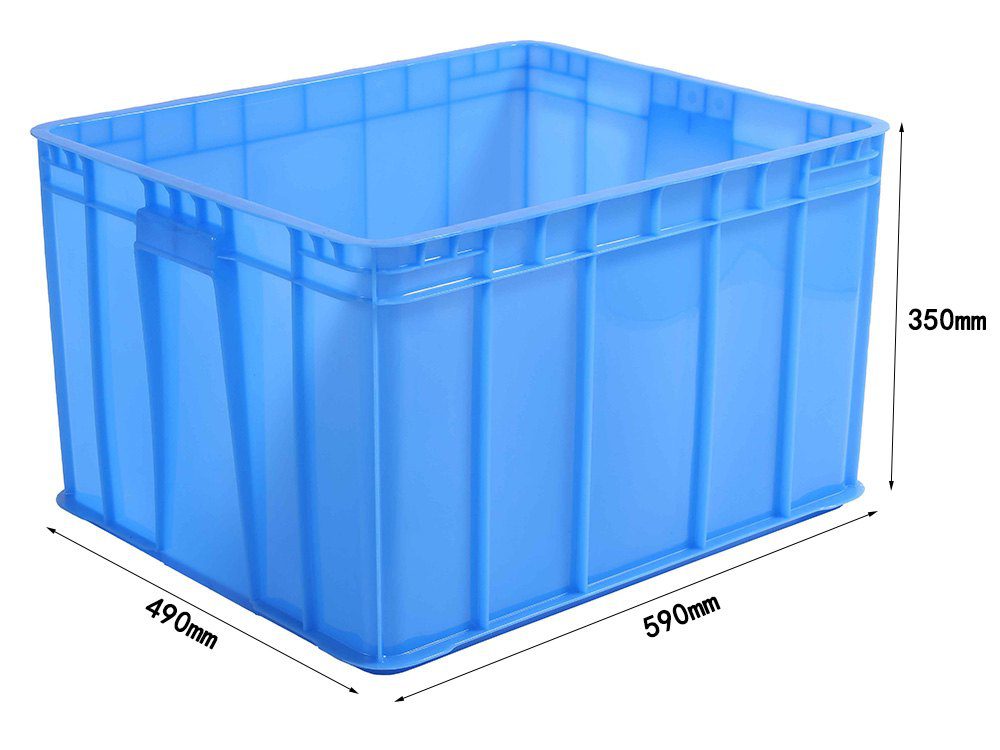
Common Sizes: 488L, 530L, 650L and 850L
Bulk crates are usually specified by capacity in liters. The most common footprints are based on standard pallet dimensions, so they load cleanly into containers and trucks.
| Capacity | Typical External Size (L×W×H) | Internal Volume | Best For |
|---|---|---|---|
| 488L | 1200 × 1000 × 610 mm | ≈ 400–450 L usable | Harvest bins, light bulk parts |
| 530L | 1200 × 1000 × 660 mm | ≈ 470–510 L usable | Produce, recycling, returns |
| 650L | 1200 × 1000 × 760 mm | ≈ 580–630 L usable | Fruit & vegetable logistics |
| 850L | 1200 × 1000 × 870 mm | ≈ 780–830 L usable | Heavy parts, construction, waste |
Because the footprint is 1200 × 1000 mm (a standard EUR/ISO pallet footprint), two crates fit side by side on a 2400 mm wide truck bed, and they stack three to five high on the floor or two high with a forklift. Always confirm the external height with your supplier before planning racks or containers.
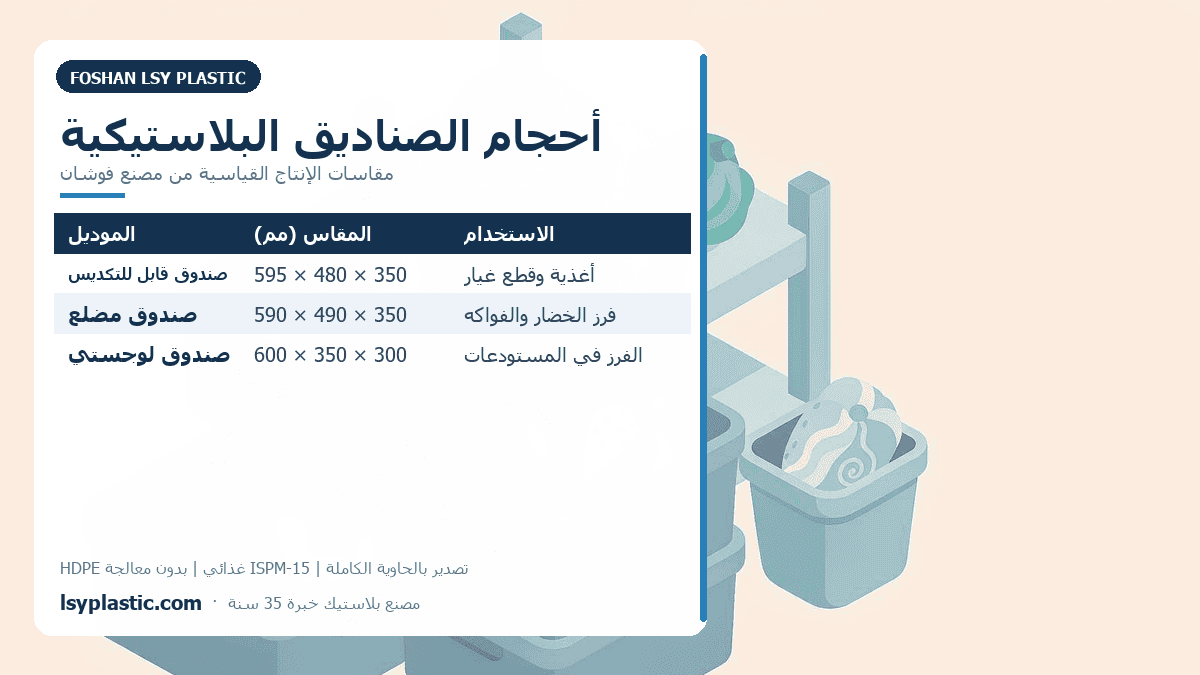
Load Ratings: Dynamic, Static and Stacking
Load rating is the spec most buyers get wrong. There are three numbers to check:
- Dynamic load: the weight a crate can carry while being moved by forklift or pallet jack. This is the number that matters for daily use.
- Static load: the weight the crate base can support at rest, usually much higher than dynamic load.
- Stacking load: the total weight that can be placed on top of the crate when stacked, which determines how many levels you can build.
A typical 650L crate carries 400–500 kg dynamic, 1500–2500 kg static, and can take two to three loaded crates on top. Ventilated side walls reduce strength slightly compared with solid walls, so confirm the stacking rating if you plan to stack full crates. For dense goods like metal parts or wet produce, always stay below 80% of the dynamic rating to protect the crate and your forklift operator.
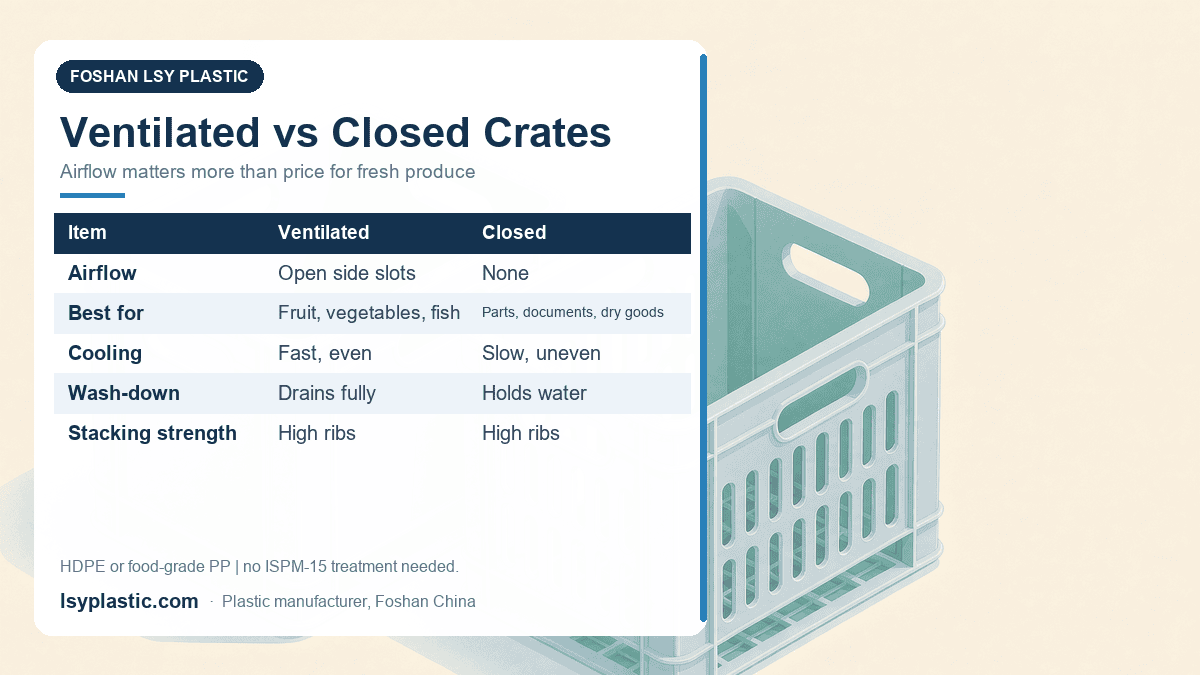
Ventilated vs Solid-Wall Bulk Crates
Ventilated crates have open slots in the walls and often the base. Airflow helps cool harvested produce, dries washed goods, and reduces condensation in cold chain transport. Our guide on ventilated crates for fresh produce logistics explains the airflow design trade-offs in detail, and the airflow design guide covers slot patterns and vent ratios.
Solid-wall bulk crates hold liquids, powders, and small parts better. They are also stronger for stacking. If you handle both produce and dry goods, consider buying a mixed fleet.
Applications Across Industries
Agriculture and Fresh Produce
Growers use bulk crates to carry tomatoes, apples, citrus, potatoes, and leafy greens from field to packhouse. The crates are washed and reused for years, unlike single-use cardboard. Pair them with ventilated plastic crates for agriculture for a full field-to-store system.
Warehouse and Manufacturing
Factories use 488L–650L crates for component staging, work-in-progress, and inter-plant transport. They fit standard racks and keep parts organized and protected. Learn how reusable crates cut warehouse costs with a data-backed breakdown of the savings.
Retail Returns and Recycling
Retailers and recyclers use 530L–850L crates for collecting returns, loose recycling, and textile or e-waste streams. The large opening makes dumping and sorting fast, and the smooth interior is easy to clean between loads.
Bulk Crates vs Other Bulk Containers
| Container | Cost per Use | Lifespan | Key Trade-off |
|---|---|---|---|
| Plastic bulk crate | Low (reusable 5–10 yrs) | 5–10 years | Higher upfront cost |
| Folding plastic crate | Low-medium | 4–8 years | Collapses for return freight |
| Wooden bin/pallet box | Medium | 1–3 years | Splinters, moisture, repair labor |
| Cardboard pallet box | High (single use) | One shipment | No return freight, disposal cost |
If you need to return empty containers between locations, compare rigid vs collapsible designs in our guide on folding plastic crates vs rigid crates. If your operation still uses cardboard, the plastic totes vs cardboard boxes comparison page shows the full cost picture.
Container Loading Rates
Because bulk crates share a 1200 × 1000 mm footprint, loading calculations are simple:
- 20 ft container: about 11 crates per layer, 2–3 layers high depending on crate height = 22–33 crates.
- 40 ft container: about 25 crates per layer, 2–3 layers = 50–75 crates.
- Flatbed trailer: 2 crates across the width, 12–16 per truck.
Ask your supplier for a loading diagram before committing to a crate height. The plastic crate stacking guide covers safe stacking patterns and load distribution.
Buying Checklist for Bulk Crates
- Confirm dynamic, static, and stacking load ratings in writing.
- Check that HDPE or PP material is virgin or food-grade if used with produce or food.
- Ask whether the crate is one-piece injection molded or assembled — one-piece lasts longer.
- Choose options: forklift pockets, drain holes, label holders, lid/cover.
- Verify the crate fits your racks, pallet jacks, and washing equipment.
- Order a sample and load-test it before volume purchase.
Cost and Sourcing
Bulk crates are priced by weight of material, size, and order volume. Chinese manufacturers typically offer 25–40% savings versus European brands at volumes above 500 pieces. For selection logic and specs, start with the plastic crate selection guide and the industrial crate selection guide. For cold chain use, review cold chain insulated plastic crates.
FAQ
What is the largest plastic bulk crate size?
Common injection-molded bulk crates go up to about 1000L; 850L is the largest standard size most factories stock. Above that, manufacturers usually switch to rotational molding or different container types.
Can bulk crates be used with forklifts?
Yes. Most 488L–850L crates have reinforced bases that accept forklift tines or pallet jacks. Confirm the fork entry direction and height with the supplier.
Are ventilated bulk crates strong enough to stack?
Yes, but the stacking rating is lower than solid-wall versions. Check the manufacturer’s stacking load and keep the stack height within the rated number of levels.
How do I clean bulk crates between loads?
Smooth-walled HDPE crates can be washed with pressure washers, tunnel washers, or steam. Food-grade versions withstand standard sanitizing chemicals. Drain holes speed drying.
Can I get custom colors or logos?
Yes. Bulk crate molds can be run in brand colors and embossed with logos. Minimum order quantities apply, typically 500+ pieces per color.
Conclusion
Large plastic bulk crates replace fragile, short-lived packaging with reusable containers that pay for themselves over years of service. Match the capacity and load ratings to your real application, verify the footprint against your racks and containers, and always sample before committing to a volume order.
Need 488L–850L plastic bulk crates for produce, warehousing, or logistics? Message LSY Plastic on WhatsApp +86 19311059570 or email fstyx01@lsyplastic.com. We injection-mold HDPE bulk crates with ventilated and solid-wall options for exporters worldwide.
Sourcing plastic crates and turnover boxes? See our Turnover Box Series line for the sizes and materials discussed above.