The single most common buying mistake with cleaning equipment is choosing a mop bucket and wringer that is either too small (constant refills) or too large (heavy, hard to maneuver, water left sitting too long). Mop bucket wringer sizes from 18L to 44L cover almost every hotel, office, and facility need — the trick is matching capacity to your cleaning area and workflow. This guide walks through each size, when to choose it, and the design features that matter.
Why Capacity Matters
A bucket that is too small forces staff to stop and refill every few rooms. A bucket that is too large is tiring to push, harder to empty, and leaves dirty water sitting longer between changes, which spreads bacteria. The right size keeps water clean longer, reduces trips to the janitorial closet, and protects the cleaner’s back and knees.
For hotels, housekeeping speed directly affects labor cost per room. For janitorial contractors, the right equipment lets one operator clean more square meters per hour. Choosing by capacity is the fastest way to improve both.
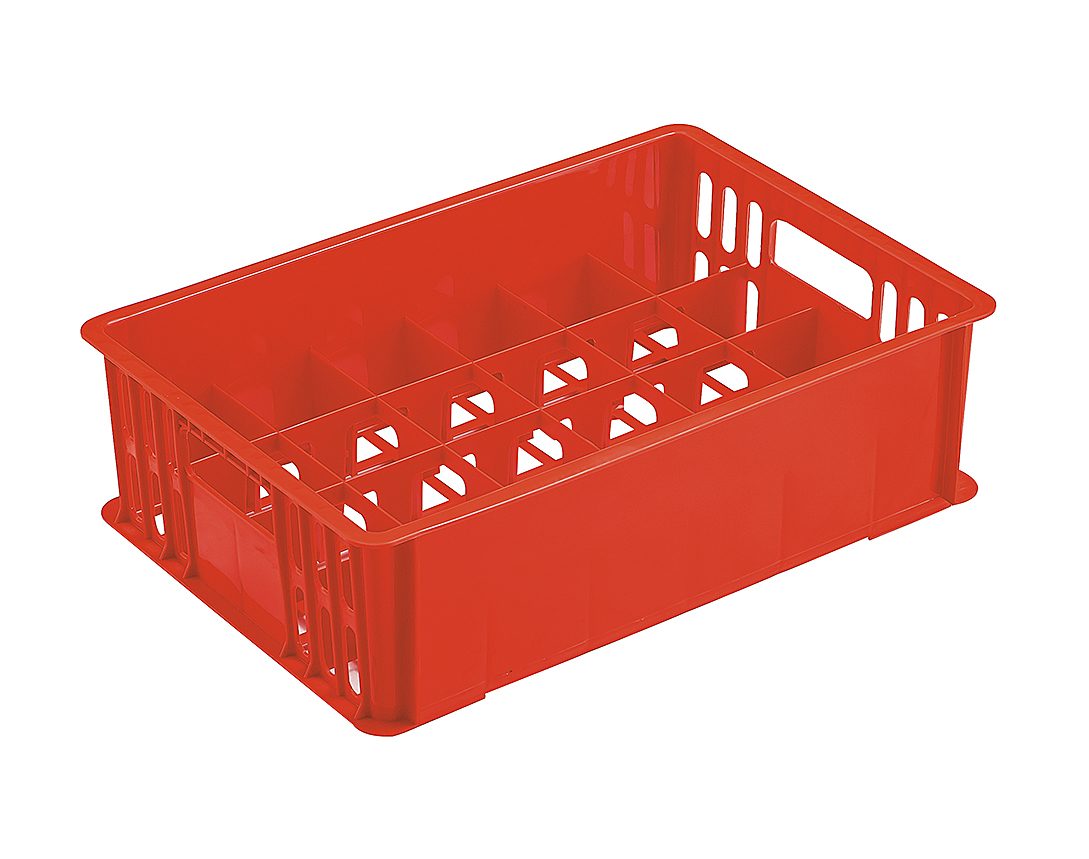
Mop Bucket Wringer Size Comparison (18L–44L)
| Capacity | Typical Height | Mop Type | Cleaning Area (approx.) | Best For |
|---|---|---|---|---|
| 18L | ≈ 40 cm | Flat mop, small string mop | 50–100 m² per fill | Hotel guest rooms, small offices |
| 24L | ≈ 45 cm | Standard string mop | 100–200 m² per fill | Corridors, bathrooms, mid-size areas |
| 32L | ≈ 50 cm | Standard/heavy string mop | 200–350 m² per fill | Lobbies, restaurants, clinics |
| 44L | ≈ 55 cm | Heavy string mop, double bucket | 350–600 m² per fill | Hospitals, factories, large facilities |
These figures assume normal soil levels and a wringer that removes most of the water. Heavy soil or very dirty water means changing more often, so size up rather than down.
Choosing by Application
Hotel Guest Rooms: 18L–24L
Housekeepers clean bathrooms and small floor areas in each room. A compact 18L or 24L bucket fits in service elevators and storage closets, is light enough for one person, and can be refilled between floors. A commercial mop bucket and wringer buying guide covers the quality details worth checking on small models.
Hotel Corridors and Public Areas: 24L–32L
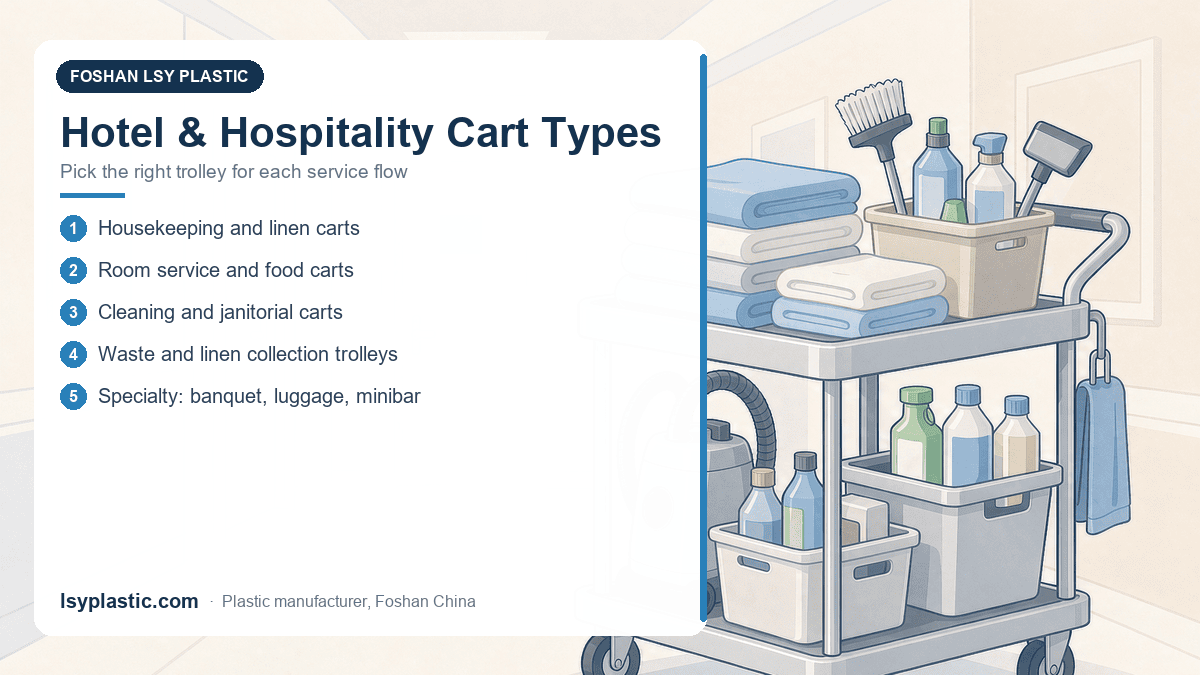
Corridors, lobbies, restaurants, and meeting rooms are cleaned in long runs. A 32L bucket with a strong side-press wringer cuts refill stops. For properties that combine cleaning with linen or room service, see our hotel hospitality carts hub for companion equipment.
Hospitals and Large Facilities: 32L–44L
Infection control often requires two-bucket systems (clean and dirty water) and frequent water changes. A 44L capacity with a deep wringer handles large ward floors while still fitting through standard doors. Color-coded buckets prevent cross-use between zones — our color-coded waste sorting guide explains the same logic for bins.
Janitorial Contractors: 24L–44L per Operator
Contractors cleaning offices, schools, and retail need maximum coverage per trip. Match the bucket to the largest area on the route, and use a mop bucket and wringer trolley when moving between rooms or floors, so the bucket is carried rather than dragged.
Plastic vs Stainless Steel Wringer Buckets
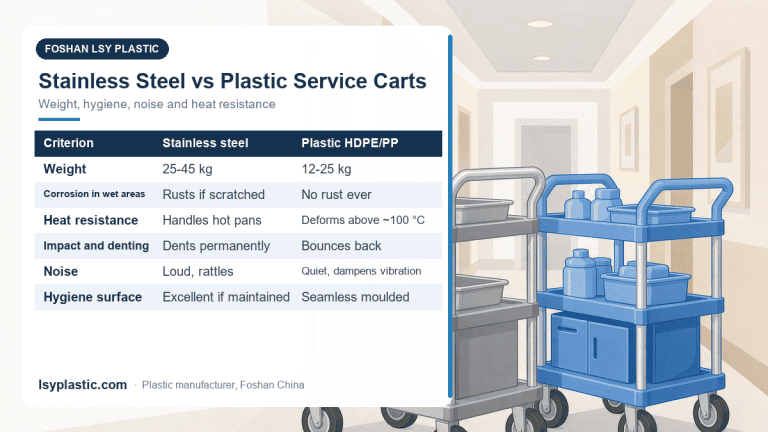
| Feature | Plastic | Stainless Steel |
|---|---|---|
| Weight | Lighter, easier to carry | Heavier, more stable |
| Chemical resistance | Good (check PE/PP grade) | Excellent |
| Durability | 8–12 years typical | 15+ years |
| Cost | Lower | Higher |
| Best use | Hotels, offices, light janitorial | Hospitals, kitchens, heavy duty |
Most hotel and commercial cleaning operations choose plastic for weight and price, and stainless steel where harsh chemicals or constant abuse demand it. Either way, check the wheel quality: quiet casters protect guest corridors, and two braking casters keep the unit stable on slopes.
Wringer Mechanisms: Side-Press vs Top-Press
Side-press wringers are the most common: you squeeze the mop head between two plates. They are simple, fast, and suit string mops. Top-press (lever) wringers push down on the mop head and are gentler on the fibers, extending mop life — a good choice for large flat mops and premium string mops.
Whichever type you choose, test that the wringer holds the mop head securely, that the squeeze plates reach the full head, and that the unit can be removed for cleaning. A wringer that is hard to clean becomes a hygiene problem itself.
Workflow Tips to Get More From Your Bucket
- Change water by area type, not by time: bathroom water should never be used on desks or food surfaces.
- Use color coding: one bucket color per zone (e.g., blue for bathrooms, red for high-risk areas) prevents accidental cross-use.
- Drain and dry after each shift: standing water grows biofilm and odors.
- Pair with a cart: a commercial cleaning cart carries the bucket plus chemicals and cloths, cutting trips.
- Match mop size to bucket: an 18L bucket cannot handle a heavy 400g string mop comfortably — the wringer will struggle and splash.
Other Sizes and Options
Beyond 18–44L, some manufacturers offer 12L micro buckets for mobile detailing and 60L+ industrial units with drain plugs. Consider accessories: integrated carry handles, graduated measurement lines, splash guards, and lids for transport. For related sizing questions, the trash can size guide applies the same matching logic to waste bins, and the hotel cart FAQ answers common hospitality equipment questions.
FAQ
What size mop bucket do hotels use?
Most hotels use 18L–24L buckets for guest rooms and 32L for public areas. Larger properties with long corridors often standardize on 24L–32L with a trolley.
How often should I change mop water?
Change when the water looks cloudy or after each zone (bathroom, kitchen, office). With a 32L bucket and normal soil, expect a change every 200–300 m².
Is a bigger bucket always better?
No. Larger buckets are heavier when full, harder to maneuver, and keep dirty water longer. Choose the smallest size that covers your largest area without mid-task refills.
Plastic or stainless steel mop bucket?
Plastic for hotels, offices, and general janitorial work; stainless steel for hospitals, kitchens, and heavy chemical use.
Can I use one bucket for clean and dirty water?
For infection-sensitive areas, use a two-bucket system or a bucket with a separate rinse compartment. For general cleaning, a good wringer removes enough dirty water for a single-bucket workflow.
Conclusion
Choosing the right mop bucket wringer size is a small decision with a daily impact on cleaning speed and hygiene. Match capacity to your largest area, pick plastic or steel by environment, and invest in a wringer that protects the mop head.
Need 18L–44L mop buckets, wringers, or cleaning trolleys? Contact LSY Plastic on WhatsApp +86 19311059570 or email fstyx01@lsyplastic.com. We manufacture plastic mop buckets, wringers, and janitorial equipment for hotels, hospitals, and cleaning companies worldwide.
Need reliable mop bucket trolleys? Browse the Kitchen Cleaning & Mop Systems collection and request a quote.
More mop bucket & wringer guides
- Hotel Janitorial Cleaning Trolley Setup: Wet vs Dry Configuration Guide
- Commercial Hotel Cleaning Trolley Buying Checklist: Features, Safety and Workflow
- Mop Bucket Trolleys 18-44L: Hotel Housekeeping Guide (2026)