Plastic turnover boxes (also known as stackable containers, storage bins, or logistic crates) are essential tools in modern warehousing, manufacturing, and retail logistics. Unlike cardboard boxes that degrade quickly, plastic turnover boxes offer durability, stackability, and reusability that can significantly reduce long-term packaging costs. This comprehensive guide covers everything you need to know about selecting the right turnover boxes for your business.
Not sure which crate fits your operation? The plastic crates buyer’s guide compares vented, solid and folding options.
What Are Plastic Turnover Boxes?
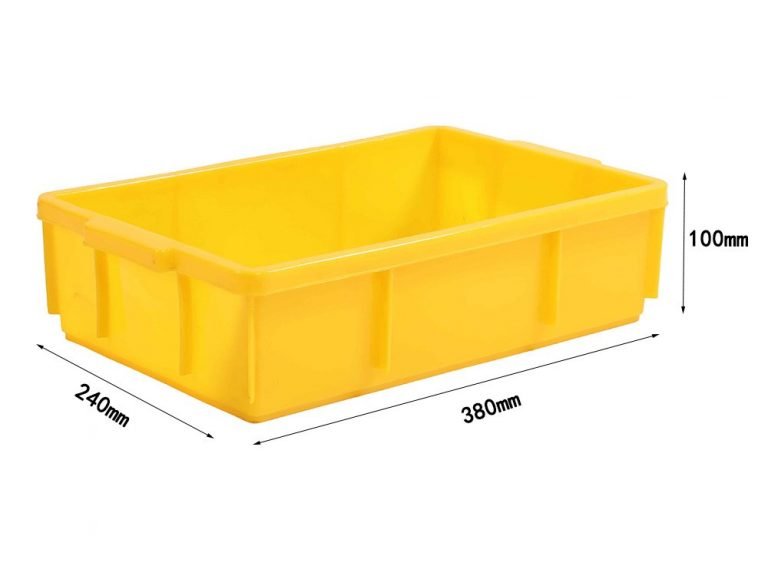
Plastic turnover boxes are rigid, stackable containers made from industrial-grade plastics such as PP (polypropylene) or HDPE (high-density polyethylene). They are designed for repeated use in material handling, storage, and transportation. Key characteristics include:
- Stackable design — boxes nest securely on top of each other, maximizing vertical storage space
- Durable construction — resistant to impact, moisture, chemicals, and temperature variations
- Reusable — designed for hundreds of use cycles, reducing packaging waste
- Easy to clean — smooth surfaces allow quick washing and sanitization
Key Specifications to Consider
1. Material Type
| Material | Temperature Range | Best For | Key Advantage |
|---|---|---|---|
| PP (Polypropylene) | -10C to 120C | General logistics, food, electronics | Lightweight, cost-effective, food-safe |
| HDPE (High-Density PE) | -40C to 80C | Cold chain, heavy-duty industrial | Superior impact resistance, low-temp performance |
| Conductive/ESD PP | -10C to 120C | Electronics, semiconductors | Surface resistance 10^4-10^9 ohms |
2. Size and Capacity
Turnover boxes come in various standard sizes. The most common dimensions include:
- Small (400x300x120mm) — Small parts, electronics components, hardware
- Medium (500x350x200mm) — Food items, pharmaceuticals, retail goods
- Large (600x400x300mm) — Industrial parts, bulk storage, warehouse logistics
- Extra Large (800x600x400mm) — Heavy machinery parts, automotive components
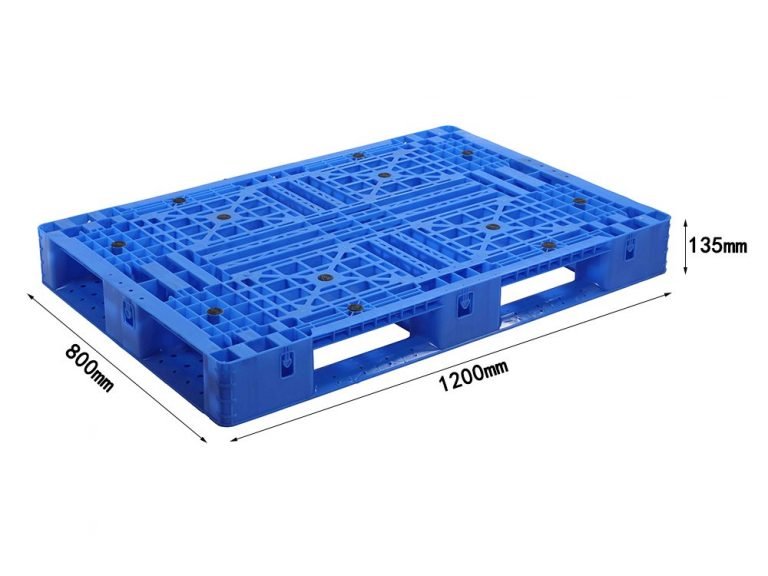
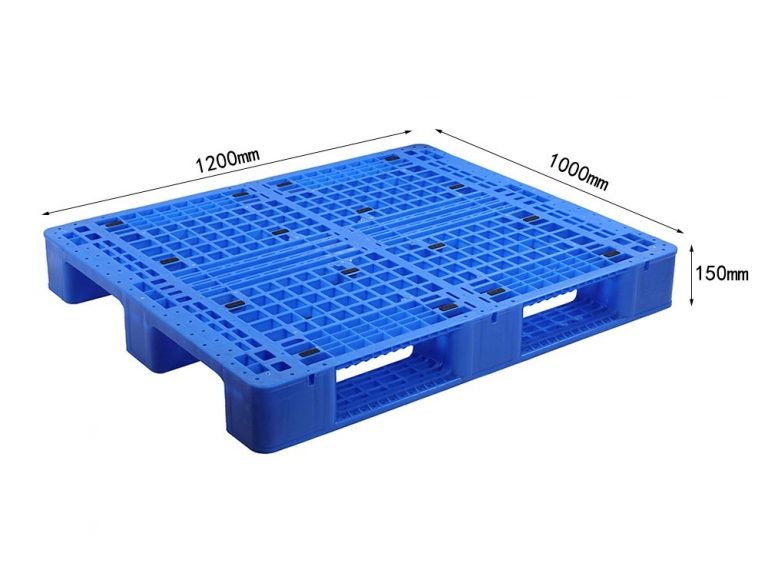
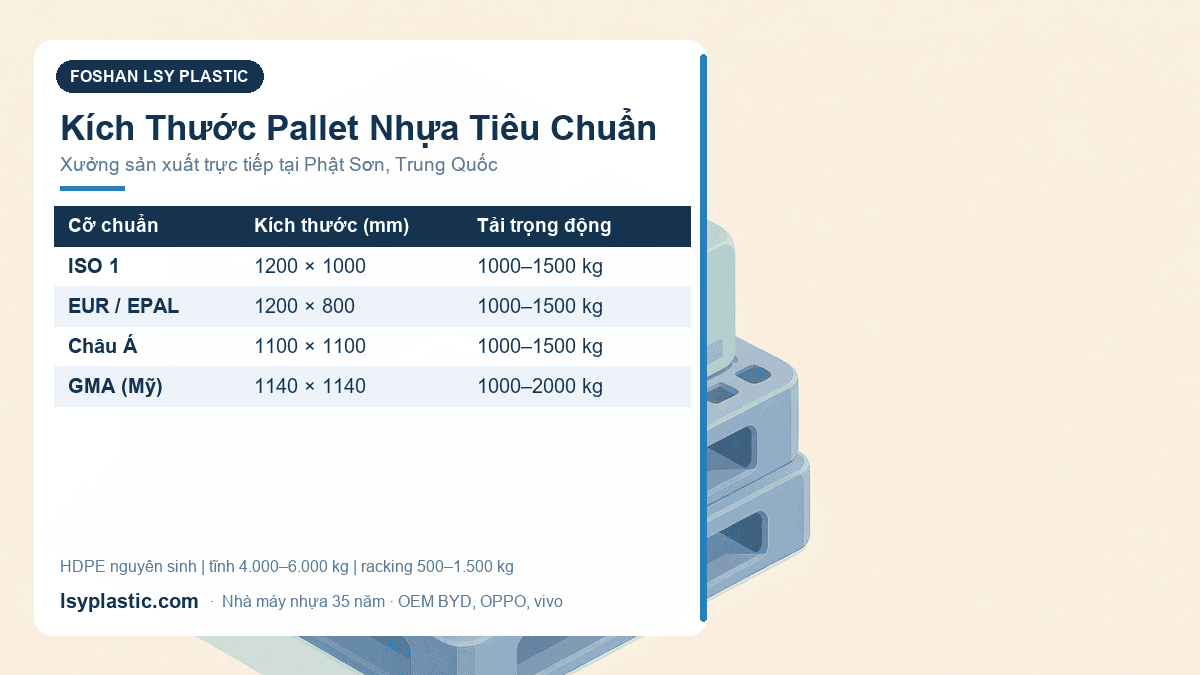
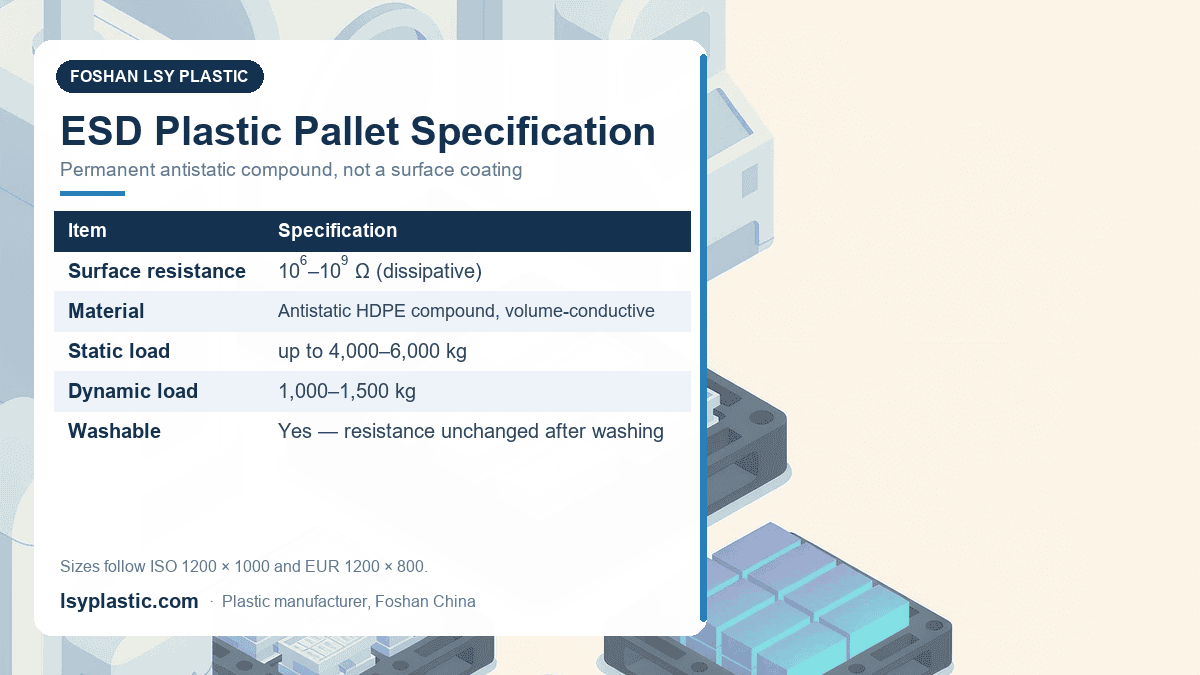
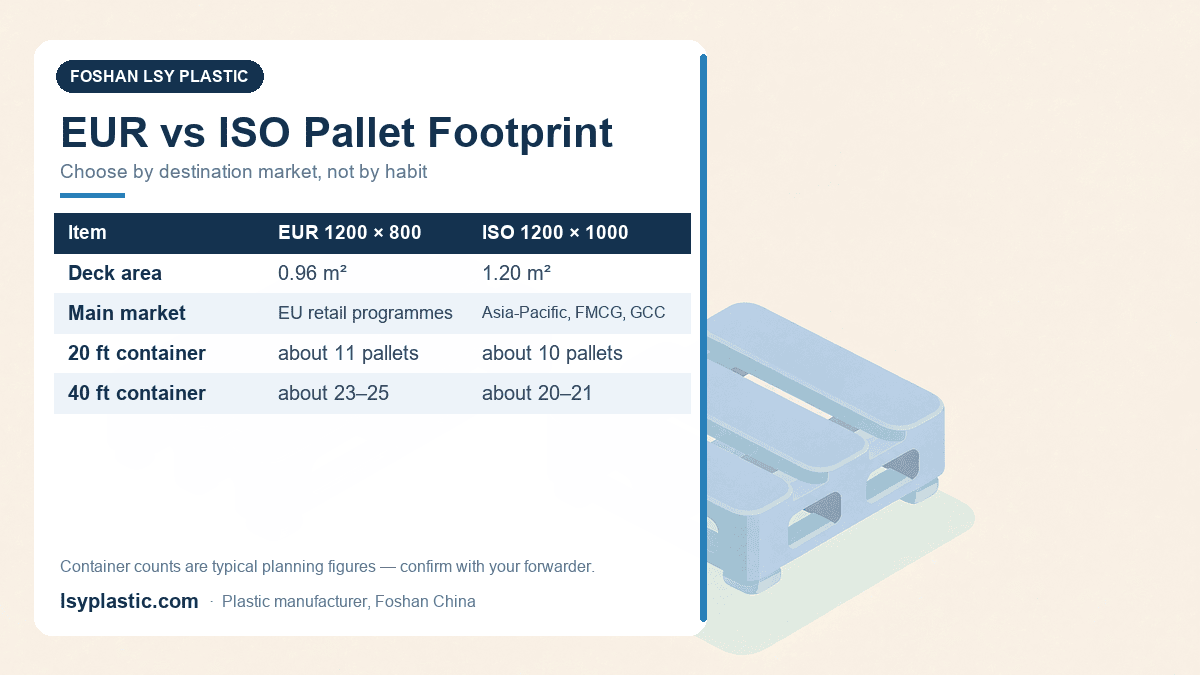
Most turnover boxes follow the 600x400mm European standard footprint, which is compatible with standard pallets (1200x1000mm and 1200x800mm) and automated conveyor systems.
3. Load Capacity
Load capacity is a critical safety parameter. Always choose boxes with a capacity 20-30% above your expected maximum load:
- Light-duty (5-15kg) — Small parts, retail, food packaging
- Medium-duty (15-30kg) — General warehousing, manufacturing parts
- Heavy-duty (30-60kg) — Automotive, metal parts, industrial components
- Extra heavy-duty (60kg+) — Castings, machinery, bulk materials
4. Stackability and Nesting
Modern turnover boxes offer two stacking modes:
- Stacking mode — Boxes lock on top of each other when full, maximizing storage density. Look for reinforced rim edges that prevent slippage.
- Nesting mode — Empty boxes nest inside each other, reducing return shipping volume by up to 75%. This is critical for reverse logistics efficiency.
5. Ventilation and Drainage
Depending on your application:
- Solid walls — Best for small parts, liquids, dust-sensitive items
- Ventilated (slotted) walls — Best for fresh produce, breathable goods, airflow requirements
- Drainage holes in base — Essential for wet environments, wash-down applications
Industry Applications
Food and Beverage Industry
Food-grade turnover boxes must meet FDA (USA) or EU 10/2011 regulations. Key requirements include:
- Food-contact certified PP or HDPE material
- Smooth, non-porous surfaces for easy sanitization
- Color coding to prevent cross-contamination (e.g., red for raw meat, blue for seafood, green for vegetables)
- Temperature resistance for hot-fill and freezer storage
View our food-grade storage container catalog for FDA-compliant options.
Electronics Manufacturing
ESD-safe turnover boxes protect sensitive electronic components from electrostatic damage:
- Surface resistance: 10^6 to 10^9 ohms (static dissipative)
- Permanent conductive properties (not surface-coated)
- Compatible with cleanroom environments (Class 10,000 or better)
- Available with divider sets for component segregation
Automotive and Industrial
Heavy-duty turnover boxes for metal parts, castings, and machined components need:
- Reinforced base and corners for impact resistance
- Oil and chemical resistance
- High load capacity (30-60kg+)
- Optional metal reinforcement bars for extra-heavy loads
Retail and E-commerce Fulfillment
For order picking and fulfillment centers:
- Label holders for SKU identification
- Open-front design for easy access during picking
- Standard footprint for shelf and conveyor compatibility
- Lightweight design to reduce worker fatigue
Cost Analysis: Plastic vs Cardboard
| Factor | Cardboard Box | Plastic Turnover Box |
|---|---|---|
| Initial cost per unit | $0.50 – $2.00 | $3.00 – $15.00 |
| Use cycles | 1-3 times | 200-500+ times |
| Cost per use | $0.17 – $2.00 | $0.006 – $0.075 |
| Environmental impact | Recyclable but wasteful | Reusable, fully recyclable at end-of-life |
| Weather resistance | Poor (absorbs moisture) | Excellent (waterproof) |
| Stacking stability | Low (collapses under weight) | High (engineered for stacking) |
Over 200 use cycles, a $10 plastic turnover box costs only $0.05 per use — dramatically cheaper than single-use cardboard.
Maintenance and Care
- Regular cleaning — Wash with mild detergent and warm water. Avoid abrasive cleaners that scratch surfaces.
- Inspect for cracks — Check load-bearing areas (base, corners, rim) monthly. Replace cracked boxes immediately.
- UV protection — Store indoors or under cover. Prolonged UV exposure degrades plastic over time.
- Temperature management — PP boxes become brittle below -10C. Use HDPE for cold storage applications.
- Stacking limits — Follow manufacturer stacking height limits (typically 8-12 boxes high when full).
LSY Plastic Turnover Box Solutions
Foshan LSY Plastic offers a complete range of plastic turnover boxes manufactured with Japanese injection molding machines (JSW, Mitsubishi). Our capabilities include:
- Standard sizes — 400×300, 500×350, 600×400, 800x600mm
- Custom sizes — Tailored to your specific product dimensions
- Material options — PP, HDPE, food-grade, ESD-safe
- Load capacities — From 5kg to 60kg+
- Color options — Blue, red, green, yellow, grey, black (custom colors available)
- Accessories — Divider sets, label holders, lids, dollies
Our turnover boxes are trusted by BYD, OPPO, vivo, and Meituan for their warehousing and logistics operations. Contact us for a custom quote or browse our turnover box catalog.
Conclusion
Choosing the right plastic turnover boxes requires evaluating material type, size, load capacity, stackability, and industry-specific requirements. While the initial investment is higher than cardboard, the long-term savings from reusability, durability, and operational efficiency make plastic turnover boxes the clear winner for any business with ongoing material handling needs. For custom solutions and bulk pricing, consult with LSY Plastic’s engineering team. For more guides on this topic, check our Plastic Storage Containers Complete Guide.
Frequently Asked Questions
What are plastic turnover boxes used for?
They are stackable, reusable containers for warehousing, manufacturing, food handling and retail logistics, replacing cardboard for storing and moving goods. They last far longer and stack and nest consistently.
What specifications should I consider?
Size (Euro modular 600x400mm and 400x300mm fit standard pallets and racks), material (PP or HDPE), wall type (solid or ventilated), load capacity and stacking height. Match these to your product and handling.
Are plastic turnover boxes cheaper than cardboard over time?
Yes, over repeated cycles. Cardboard is one-way and degrades quickly; a plastic turnover box lasts years with minimal care, so cost per trip falls well below cardboard in any closed-loop operation.
How do I maintain plastic turnover boxes?
Wash them as needed for hygiene, avoid over-loading, and store them nested when empty to save space. LSY moulds turnover boxes from virgin PP and HDPE; no MOQ for domestic orders, overseas orders ship FCL.
Related guides:
nestable stackable plastic containers
Related products:
Standard Industrial Stacking Crates / Plastic Logistics Totes
ESD Parts Bins & Conductive Sloping Boxes | Small Component Stora
Stackable Plastic Latch Box Storage Totes with Lids (Home & Offic
Plastic Storage Container Temperature Ratings: Hot Food, Freezer and Mic
Stackable vs Nestable Plastic Containers: Which Design Saves More Space
How to Clean and Sanitize Plastic Food Containers: Commercial Kitchen Pr
Plastic Crate Stacking Guide: Maximizing Warehouse Storage Efficiency