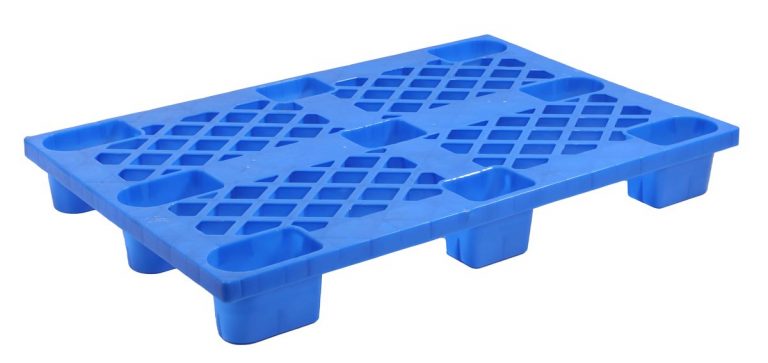
A structured pallet inspection checklist is the cheapest insurance a warehouse can buy. Damaged pallets cause load collapses, forklift accidents, product damage, and worker injuries. Yet many facilities inspect pallets only when something goes wrong. This guide defines what to check, how often, and how to record the results — for both plastic and wood pallet fleets.
Choosing between footprints? Our plastic pallet sizes and dimensions guide compares the main standards side by side.
Why Pallet Inspections Matter
A pallet failure in a rack can drop a 1,000 kg load in seconds. OSHA and national warehouse safety bodies classify pallet damage as a contributing factor in racking collapses and forklift incidents. Insurers and large retail customers now audit pallet quality at receiving docks, rejecting loads on broken or contaminated pallets. A disciplined inspection program protects safety, compliance, and your brand at the customer’s door.
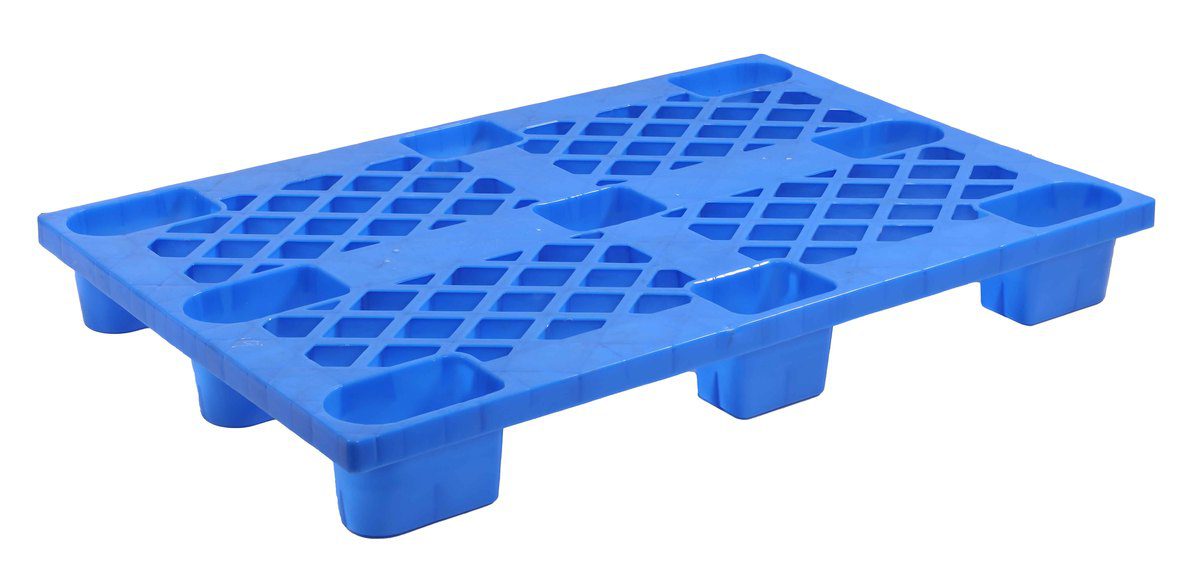
Understanding normal pallet performance helps inspectors spot problems early. Read our pallet lifespan and cost-per-trip analysis and ISO 8611 and ASTM test standards guide to learn what pallets are designed to survive.
Inspection Frequency: Who Checks What and When
| Frequency | Who | What to Check |
|---|---|---|
| Every dock receipt | Receiver / forklift operator | Visible cracks, broken feet, protruding nails, contamination |
| Before each rack placement | Forklift operator | Deck integrity, foot condition, load rating match |
| Quarterly (all pallets) | Maintenance lead | Full structural check, weight/load test samples |
| Annually | Safety officer | Fleet audit, retirement decision, documentation review |
Operators who see a cracked deck or broken foot must pull the pallet from service immediately, not “flag it for later.” Create a clearly marked quarantine area for damaged pallets.
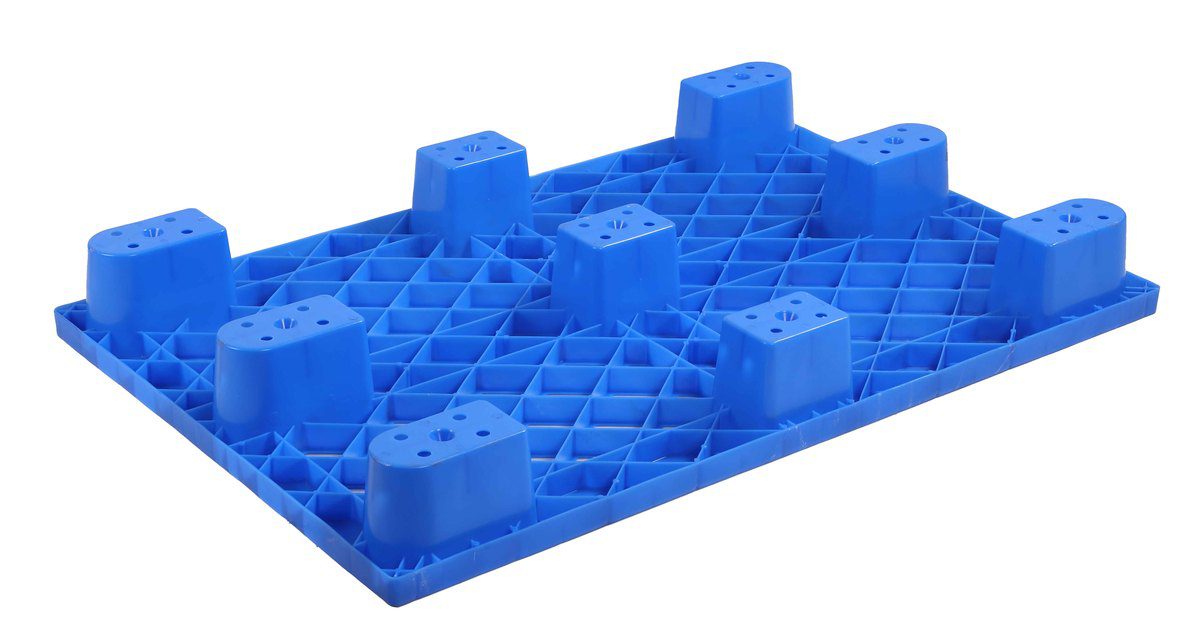
Daily Walk-Around Checks (30 Seconds Per Pallet)
- Deck surface: any visible cracks, chips, or holes across the top deck.
- Feet / blocks: all feet present, no missing or split blocks.
- Underside: when the pallet is empty, glance underneath for broken runners.
- Contamination: oil, chemical spills, mold, or insect activity — reject immediately.
- Hardware: for wood, check for protruding nails or staples; for plastic, look for embedded foreign objects.
Keep a printed one-page checklist at each dock. Our forklift safety guide covers how operators should handle suspect pallets without risk.
Quarterly Structural Inspection
Every quarter, perform a deeper inspection on a representative sample of the fleet, minimum 10 percent or 50 pallets, whichever is greater:
- Deflection test: place the empty pallet on a level floor and press a hand at the center; excessive flex indicates fatigue. Compare against a known-good pallet of the same model.
- Load test: with a loaded pallet, measure sag using a straight edge across the deck; permanent sag after unloading means the pallet has lost stiffness.
- Racking check: confirm pallets used in racks match the racking load capacity guidance and show no signs of rack-induced damage.
- Edge condition: inspect forklift entry points for chipped or worn edges, the most common plastic pallet damage site.
Document results per pallet ID. For color-coded fleets, a damaged pallet’s color code also tells you its history — see our pallet color coding guide.
Cleaning and Maintenance
Maintenance keeps pallets functional; cleaning keeps them compliant. Establish a schedule:
- Dry goods: wipe down as needed, vacuum dust from hollow areas.
- Food and pharma: wash with food-safe detergent, rinse, and dry. Plastic pallets can be steam-cleaned; wood cannot be fully sanitized. See our pallet cleaning and sanitizing guide.
- Outdoor storage: rinse dirt, check for UV damage (fading, chalking) on plastic, and rot on wood.
For repairs, plastic pallets are generally not field-repairable; a cracked foot is retired and recycled. Wood pallets can be re-boarded and re-nailed a limited number of times. Repair only to original specifications, never improvise. Learn when repair no longer makes economic sense in our plastic vs wood TCO comparison.
When to Retire a Pallet
Retire a pallet when any of these conditions appear:
- Any structural crack or split through a deck board or foot
- Missing feet or blocks
- Permanent sag or bow visible when empty
- Heat or chemical damage that softened the plastic
- Wood rot, major insect infestation, or contamination that cannot be cleaned
- Load test failure against rated capacity
Retired plastic pallets are fully recyclable — send them to a plastics recycler rather than landfill. Our pallet recycling and sustainability guide explains the options. If you run a pool, see how inspection fits into pooling vs buying economics.
Record Keeping and Audits
Keep inspection logs by pallet ID or batch. Record: inspection date, inspector, pallet location, condition findings, action taken (pass / repair / retire), and replacement details. Retention of at least 3 years is standard for ISO and GMP environments. Auditors look for consistent, dated documentation, not perfection.
Tag pallets with an ID system that survives washing. Many plastic pallets are molded with ID slots or QR-compatible areas. Use our pallet selection guide to pick models that support fleet tracking.
Plastic vs Wood: Different Damage Signatures
Inspection teams familiar with wood pallets miss plastic-specific issues. Wood fails by board splitting, nail loosening, and rot. Plastic fails by cracking at fork entry points, warping from heat exposure, and UV degradation in outdoor storage. Plastic pallets also hide damage better — a hairline crack may not be visible until loaded. When in doubt, load-test the pallet. Compare material behavior in our PP vs HDPE pallet guide.
Conclusion
A pallet inspection checklist is only useful if people use it. Integrate checks into existing dock and forklift routines, quarantine damaged pallets fast, log everything, and retire beyond-repair units promptly. This discipline cuts accidents, reduces damage claims, and extends fleet life.
LSY Plastic manufactures inspection-friendly injection-molded pallets with smooth surfaces, reinforced fork entries, and optional color coding for fleet management. Browse the range in our plastic pallets hub, check dimensions in the sizing guide, and contact us for custom fleet specifications.
Request a quote today: WhatsApp +86 19311059570 | Email fstyx01@lsyplastic.com
plastic pallets buyers: our Plastic Pallets range covers the specifications outlined in this guide.
Frequently Asked Questions
How often should pallets be inspected?
Do a 30-second walk-around check on each pallet in daily use, a quarterly structural inspection, and a check after any impact. Frequent light checks catch most problems before they cause a load collapse.
What should a daily pallet check cover?
Look for cracks in the deck or runners, missing or bent feet and runners, deformation, loose boards and signs of impact. Any crack that crosses a load-bearing member means the pallet should be pulled.
When should a pallet be retired?
Retire when a crack crosses a structural member, a foot or runner is missing or broken, the deck is deformed, or it fails a load test. Repair minor damage; replace anything that risks collapse.
Do plastic and wood pallets show different damage?
Yes. Wood cracks, splinters, sheds nails and rots; plastic deforms, stress-cracks at impact points or loses feet. Record the failure type so your inspection targets the right mode. LSY supplies durable HDPE and PP pallets.